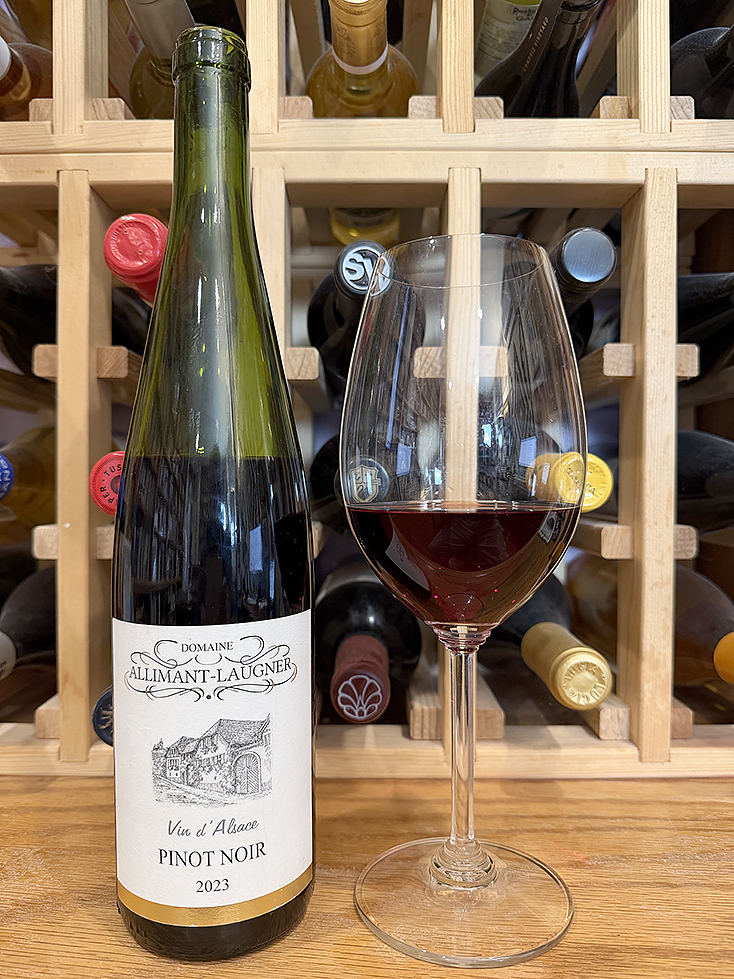
Excellent, affordable pure Pinot play from Alsace backed by a rich history of vineyards and winemakers. You typically think white with Alsace, but the region produces cool-climate reds, too. This presents somewhat more substantial red fruit and mouthfeel than expected from Alsace Pinot Noir while still delivering typicity of France’s northeastern wine region on the border with Germany. Very nice value. $19-22
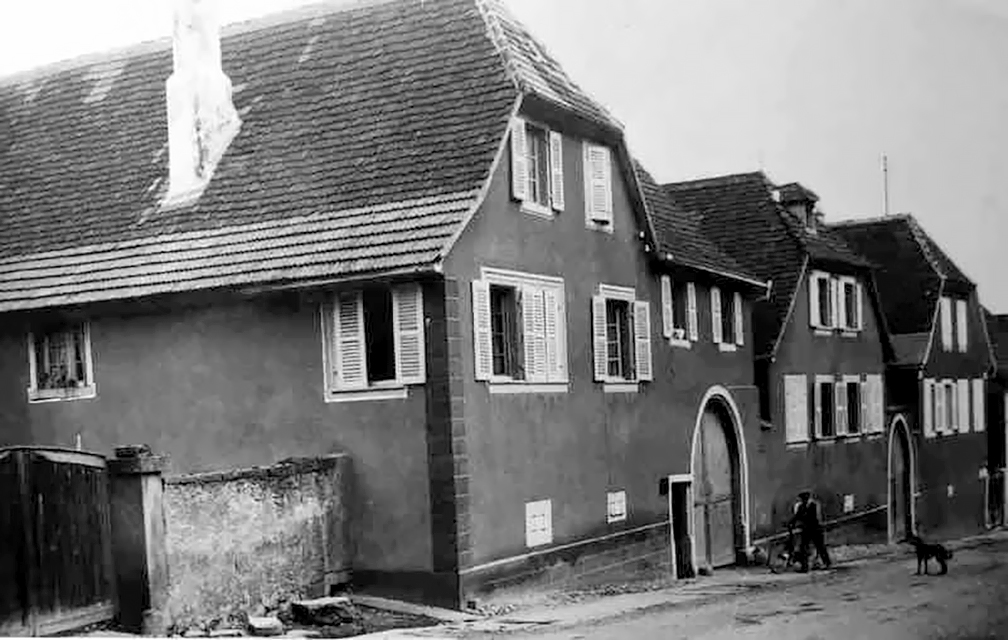
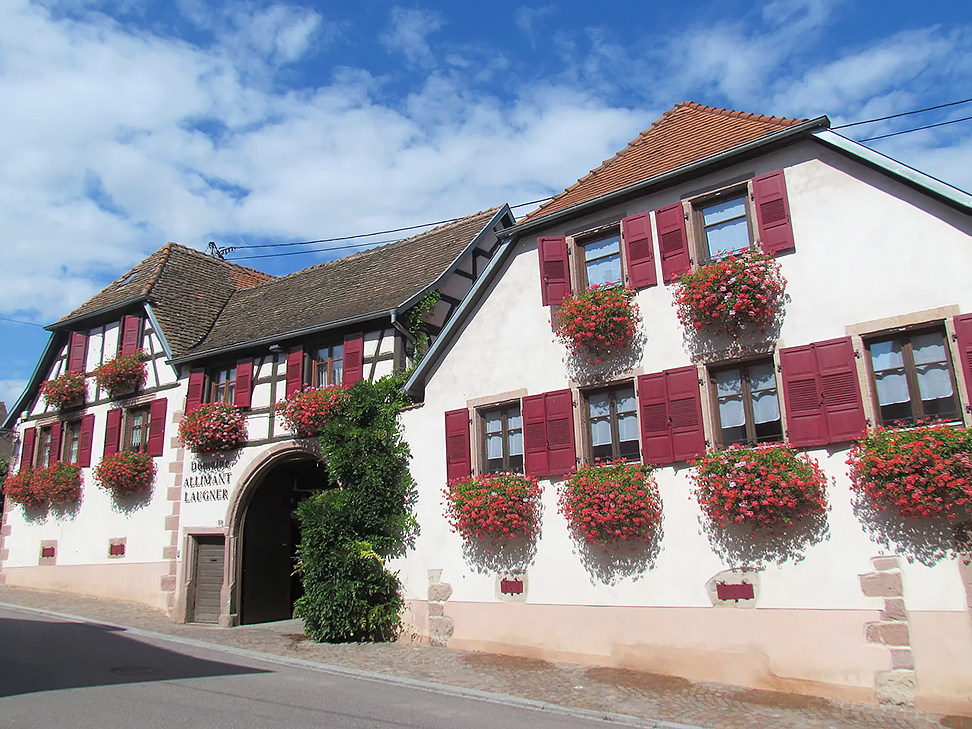
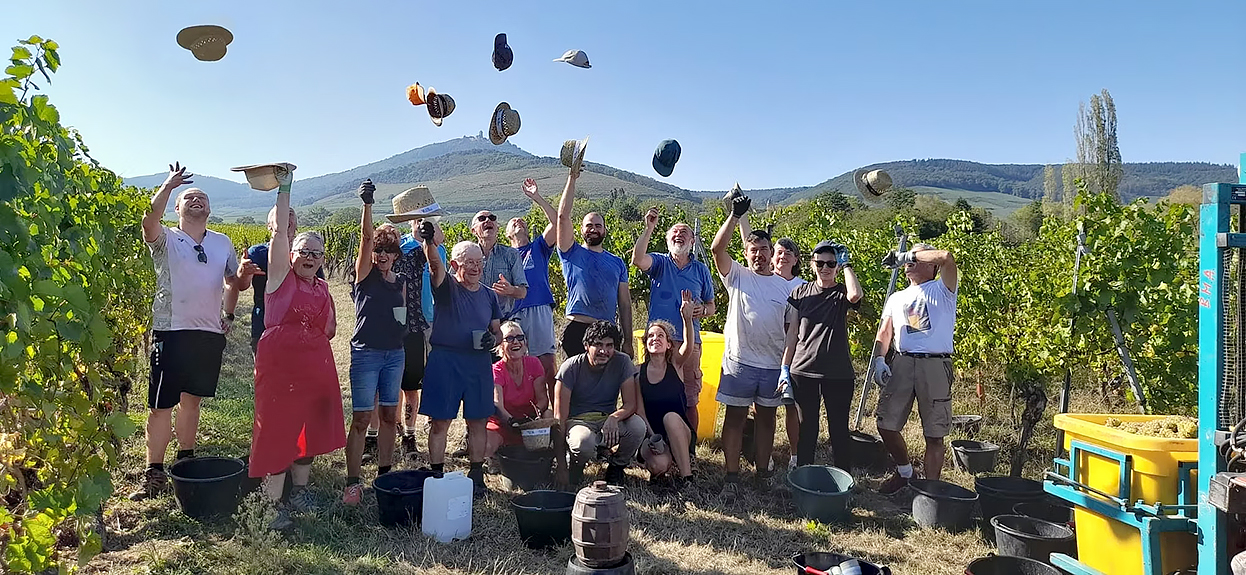
Members of the Allimant and Laugner families have worked vineyards in the area for centuries. The Allimant side of the family purchased the winery property near Orschwiller, about 35 miles southwest of Strasbourg, in 1816. Captain François-Antoine Allimant made the purchase after fighting in Napoleon’s campaigns. The purchase included a stone building dated 1664. It is the site of the domaine’s headquarters today.
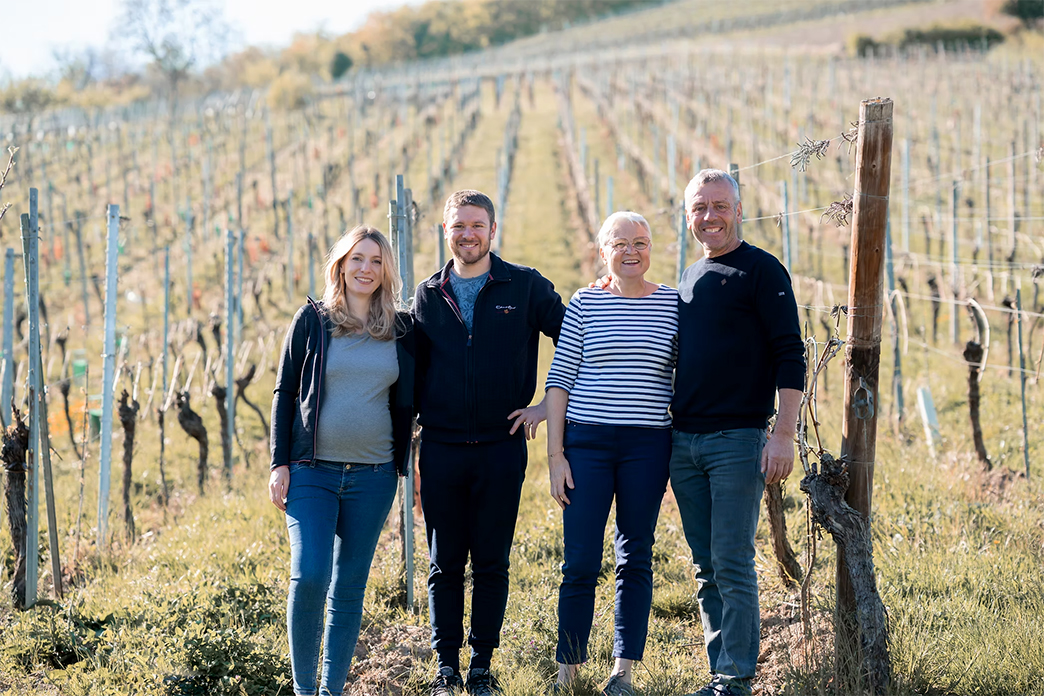
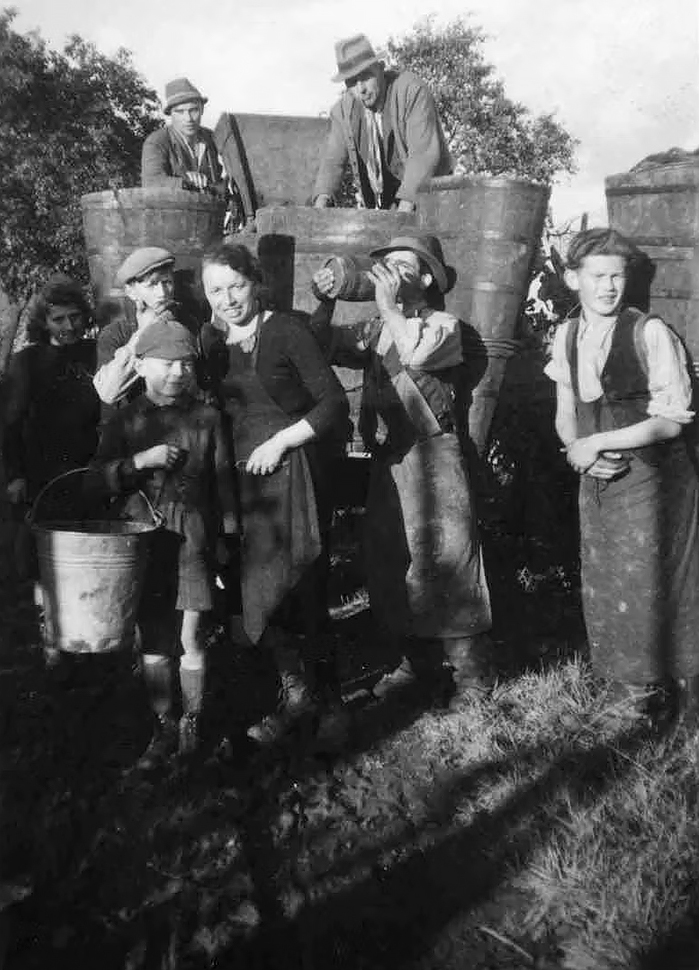
The Allimant and Laugner families had grown vines separately since the 17th century—the Laugners in Dieffenthal, the Allimants in adjacent Saint-Hippolyte. The families merged holdings and traditions through marriage in the mid-20th century when Mariette Allimant married René Laugner. Their eldest son, Hubert Laugner, took over the estate in 1984 and named it Domaine Allimant-Laugner. Hubert’s son, Nicolas, joined the estate in 2013 and now is the winemaking face of the domaine, and the leader of the domaine’s conversion to organic agriculture. Between them, the families have more than 10 generations of winegrowing and winemaking experience in the area.
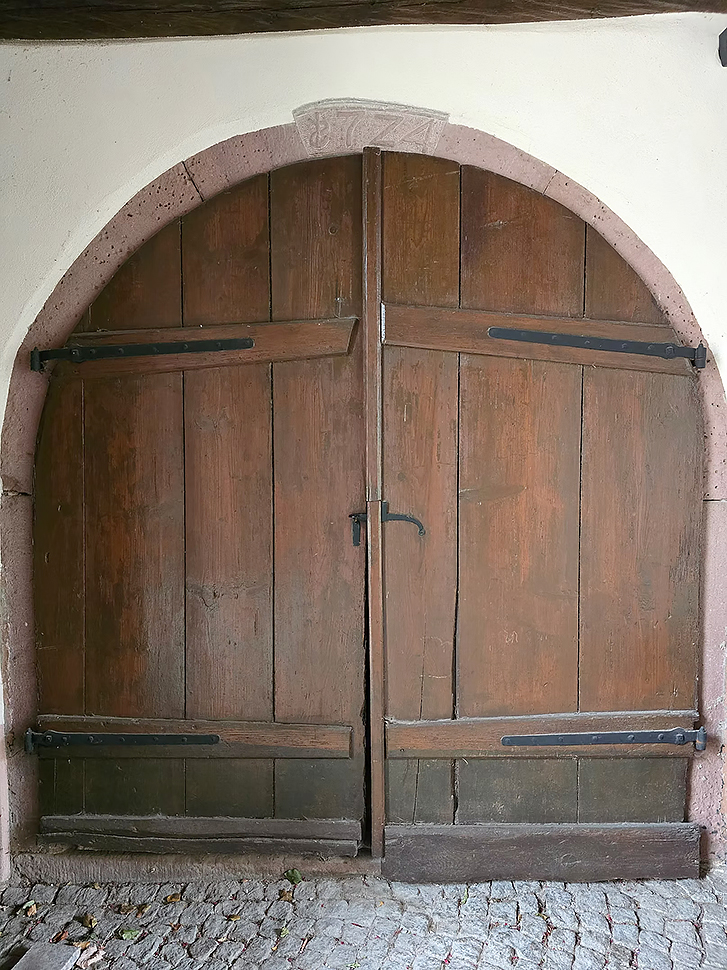
The Allimant and Laugner families do not have documentary records of how long they have worked vineyards in the area, but the date 1724 appears on a sandstone pediment above the wooden cellar door, so they assert wine has been made at the site for three centuries, including nearly a century before Allimant’s purchase.
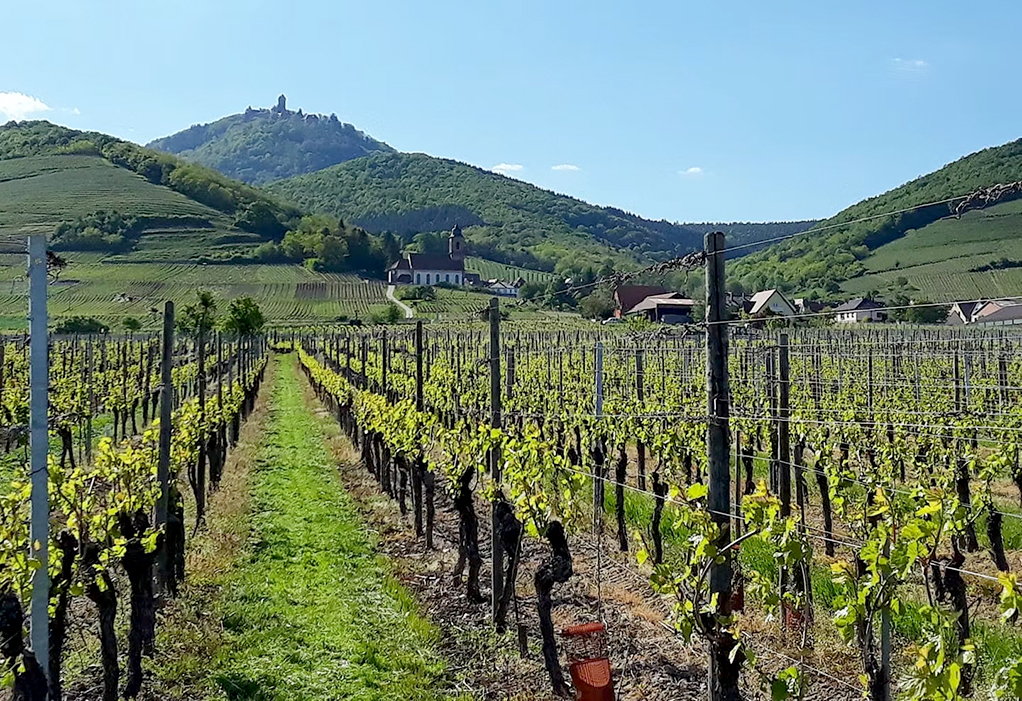
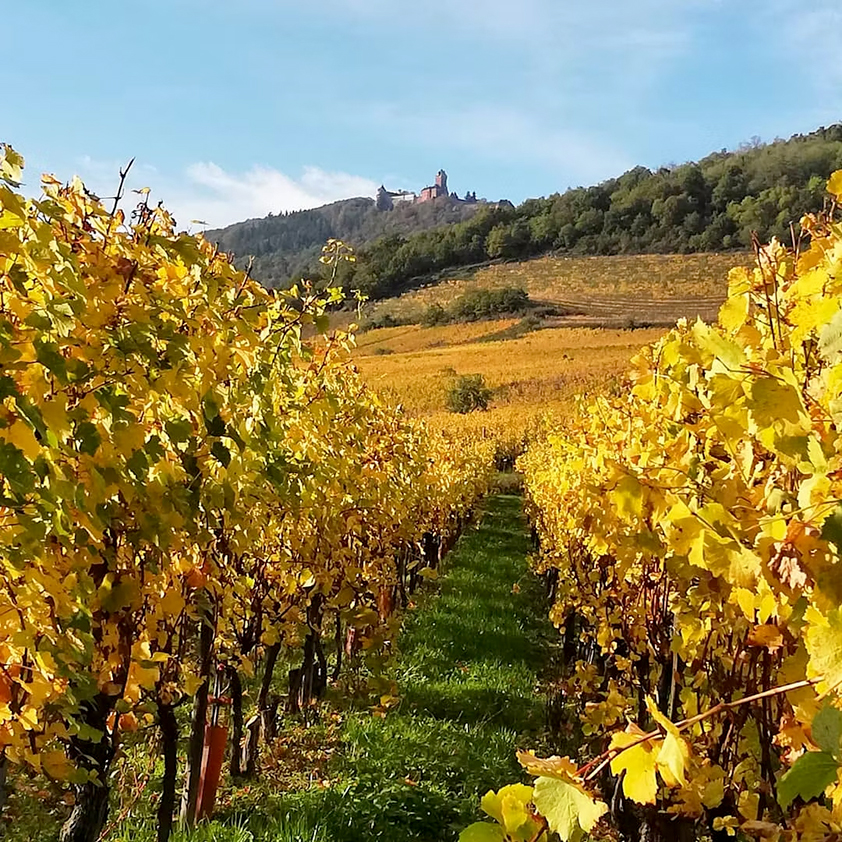
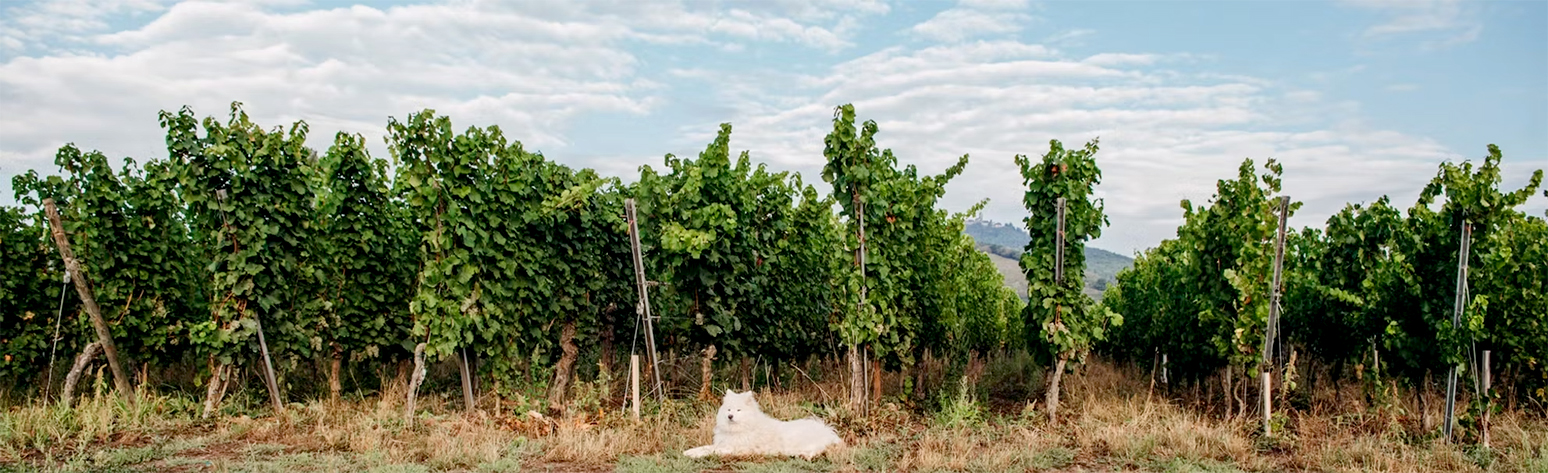
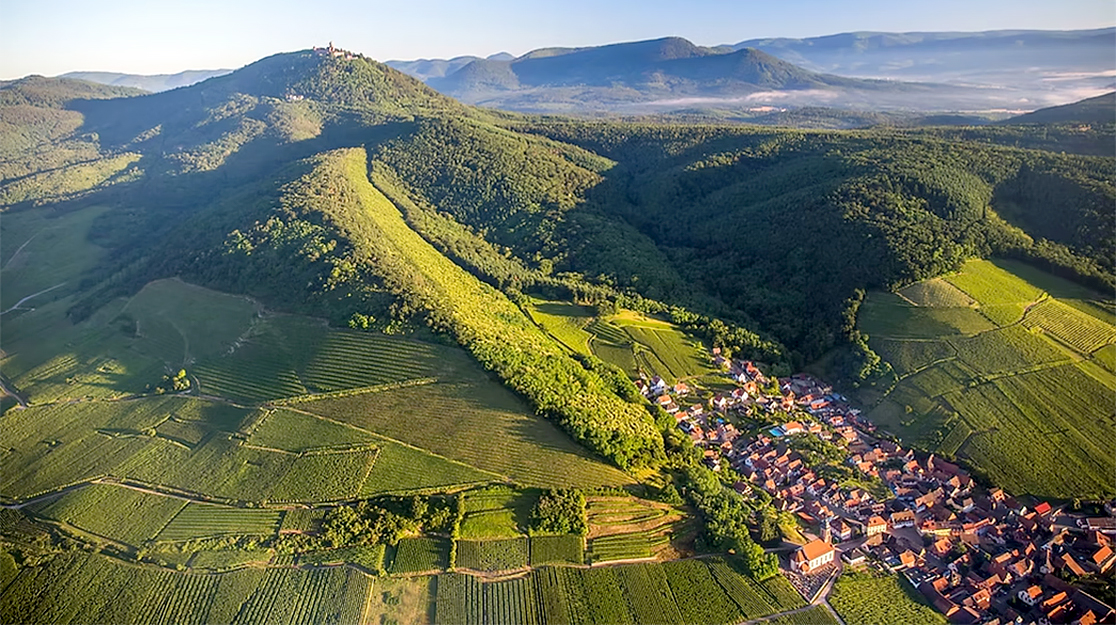
Today, the family grows seven traditional Alsace grape varieties on their nearly 30 acres (12 hectares) of vineyards divided into 40 separate parcels with different orientations, vine ages, and terroirs. South of Orschwiller, between the village and Saint-Hippolyte, the heavy clay-and-limestone soil is particularly well-suited for Pinot Noir. North of the village up to Châtenois, granitic soils are suited for aromatic Riesling and Gewürztraminer. In both locations, vines are planted close together to encourage competition and deeper rooting for better varietal expression.
The 2023 bottling is the first certified-organic vintage made with grapes from their clay-limestone Pinot Noir vineyards. The Laugners say they chose to go organic to emphasize the region’s crisp, bright character. After hand harvest, the grapes underwent one week of maceration. Fermentation followed in stainless steel using native yeasts. The wine then aged 6-12 months in large, old oak barrels. The wine is entering its ideal drinking window through 2029.
Domaine Allimant-Laugner Pinot Noir, Vin d’Alsace 2023: Pale-to-medium ruby color; dark cherry, plum, raspberry, strawberry, fig, sweet spices, pepper, minerality, hints of oak and smoke on the nose and palate.
Dry (0.2 g/L RS); crunchy, pleasant tannins; lively Alsatian acidity (5.7 g/L TA). Light-medium body; silky smooth, slightly dusty mouthfeel with grippy finish where the tannins politely say hello. 13.5% ABV on the bottle label, 12.65% ABV from the winery’s tech sheet.
Pairing—Pork tenderloin, roast pork, lighter sausage; duck breast, duck confit or coq au vin; grilled chicken, turkey; venison, rabbit, game birds. Seared salmon, tuna; trout with mushrooms. Mushroom tart, mushroom risotto, lentils, roasted root vegetables. Excellent for a charcuterie board. Cheese—Comté, Gruyère, Beaufort, Tomme de Savoie, Brie de Meaux, mild Munster. Skip powerful blue cheeses, aggressively pungent washed-rind cheeses.
Domaine Allimant-Laugner website