
Right now, many in the wine world are freaked about the decline in wine drinking. Advice: relax, take a deep, cleansing breath. A nice, chilled rosé also might help.
Wine is a lifestyle choice. By their very nature, lifestyle choices are always in chaotic, often irrational flux. Examples from the wine world:
• Merlot was a big thing at the end of the last century. Women in particular enjoyed it because it usually was softer and smoother than cabernet sauvignon or syrah or some of those bombastic wines from northwestern Italy you could not drink until they were at least six years (and preferably 10-15 years) old. California winemakers made merlot you could drink when you got home from the store. The market lapped it up.
Then the movie Sideways. Miles Raymond (Paul Giamatti) proclaimed: “I am NOT drinking any f**king Merlot!” It did not matter Miles hated merlot only because his ex-wife liked merlot, not for any fault in the varietal. Suddenly, a plot point in a popular movie involved bashing merlot. Merlot sales plummeted. Drinkers made new lifestyle choices. Merlot did not change. It remains one of the world’s great varietals and blending wines. But, still, “I ain’t drinking *** merlot!” became a meme.
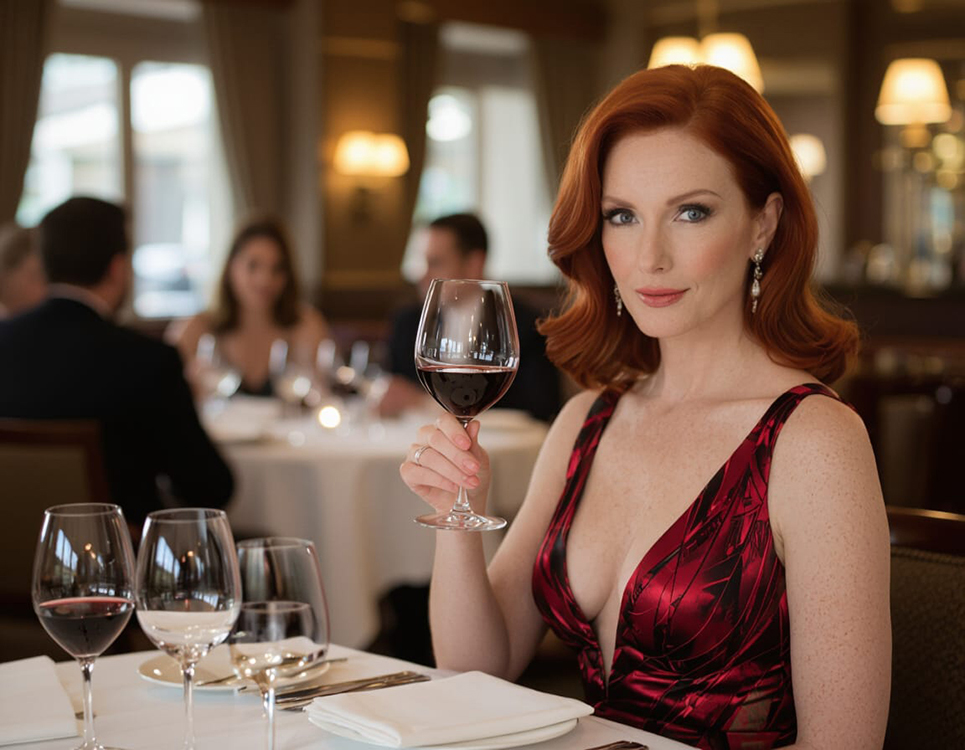
• Blousy, oaky, buttery, big fruit chardonnays were a big thing in late 1980s and 1990s. They didn’t go very well with food—okay, they worked with movie theatre popcorn—but ladies, in particular, were not pairing it with food. They were sipping it in the country club’s outdoor bar after a round of golf or a tennis match or by-the-glass at a big chain restaurant where wine-food pairing was irrelevant. Big chardonnay was the wine equivalent of comfort food. It was a transition from sweet wines, soft drinks, or cocktails. Lush, approachable, ripe fruit, vanilla, butterscotch, creamy mouthfeel. What was not to like?
Then those drinker’s palates matured, or maybe it was just time for a lifestyle change. At the turn of the century, ABC (Anything But Chardonnay) became the next bandwagon to hop onto. White zin, pinot grigio, Veuve Clicquot, prosecco, sauv blanc, even dry riesling (for gosh sakes) was the next de rigueur pour for the dialed-in parvenu. “Anything But Chardonnay” was the incantation—unless it was an un-oaked, subdued malolactic conversion chardonnay, then… well, maybe.
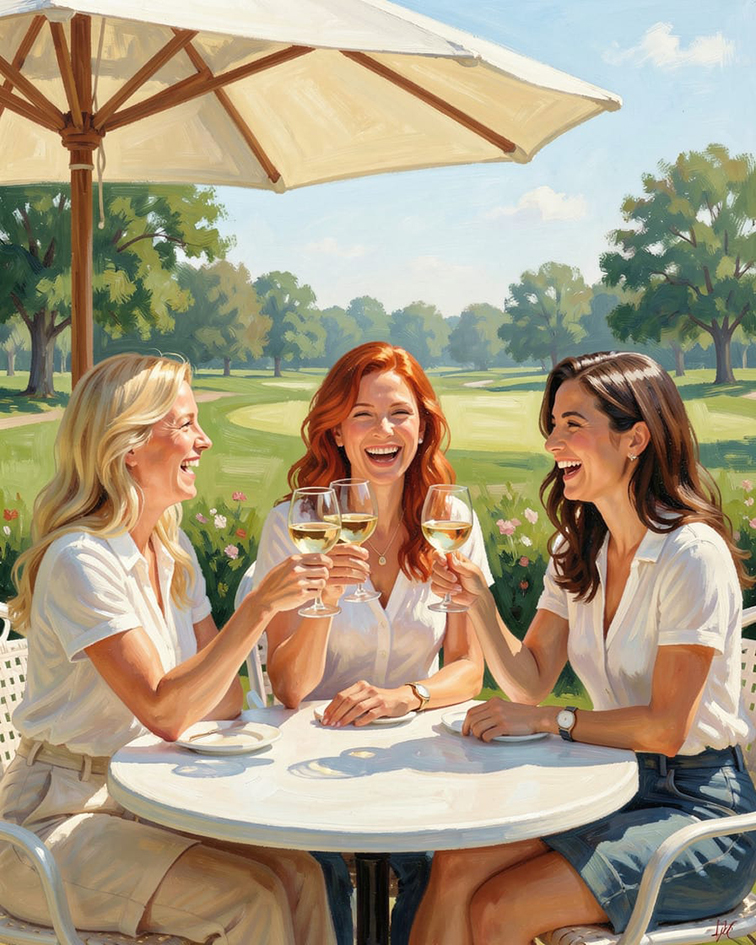
• In the 1980s and especially the 1990s, monster, jammy, very high alcohol, zinfandel fruit bombs became a big thing, especially among manly men. Let the ladies sip insipid white zin, some gals even put ice cubes in their tumbler glass (shudder). Big zin was hedonistic macho indulgence. The 16-plus percent ABV and the overly-ripe fruit meant the wine tasted sweet even if laboratory tests proved it was “dry.” The high alcohol made it more a “cocktail wine” than anything a reasonable person would pair with food. Except, maybe, with a huge slab of fat-dripping beef you just removed from your expensive backyard grill fired by mesquite wood you harvested yourself with your high-powered chainsaw. Throw in a plate of fried onion rings and a loaded baked potato, and we’ve got a real meal here, buddy. A hearty slap on the back and backward ball cap is optional.
Okay, some research indicates there is only marginal male preference between male and female in this wine category, but the zeitgeist then (and now) was big zin was male while lighter, “more feminine” (whatever that is supposed to mean) wine was female. In any event, the stereotypes and lifestyle choices did not hold in the 21st century. With blowback from wine professionals such as sommeliers, whose job is to pair with food, and wine writers, whose job is to constantly come up with something new in 500 words or less, zin today is stylistically fragmented. Lighter and more food-friendly red zin occupies a growing middle ground, flanked by white zin (which still outsells red zin) and monster zin. The wine world carousel continues to spin.
Lifestyle choices regarding wine and alcohol in general experience constant fluctuation. In the 2010s, for instance, some Gallup Polls suggested wine was approaching beer as the alcohol delivery vehicle of choice. What heady days those were for vintners and for bank vice presidents ready to loan money to create new vineyards and expand or create new wine operations. Then the 2020s slapped them both in the face with the reality of lifestyle changes.
Not only has wine consumption declined, a new cohort of consumers has made a lifestyle choice to drink little or no alcohol. Medical sources assert any alcohol consumption can be bad for you. Neo-prohibitionists channel Carry Nation. While Neo-prohibitionists have not yet taken hatchets to saloons or wine barrels, they do clamor for increases in alcohol excise taxes, limit times and places alcohol can be sold, restrict advertising, and lowering the legal blood-alcohol-content. The wine world faces several headwinds.
That noted, wine has been around for more than 8,000 years and is deeply imbedded in our culture, our religions, our culinary proclivities. Wine is not going away. In the U.S., the total wine industry—production, distribution, sales, consumption, tourism, and service industries—generates some $324 billion annually in economic impact and is increasing in spite of the headwinds.
U.S. wine generates 1.75 million jobs and $102 billion in wages. Wine delivers more than $53 billion in tax revenue. These numbers have been resilient, even rising, amid the slight downturn in wine consumption in the U.S. in the 2020s. We are drinking less, but we are drinking better and more expensive. If you have read this far, I hope your fears of wine’s collapse are allayed and you are relieved.
Lifestyle choices, by their very nature, constantly change. Sit back and chill out with a nice glass of wine of your current choice, good food, and—especially—sharing with family and friends. That lifestyle moment is immutable.
Last round: Relationships are like Indian food.
They start out hot and spicy, but end up with someone on the toilet crying and saying “why me? why me”?
Wine time.
Bonus last round: Police officer pulls over a speeding car.
Officer: “I clocked you at 80 miles per hour, sir.”
Driver: “Gee, officer, I had it on cruise control at 60. Perhaps your radar gun needs calibrating.” Not looking up from her knitting, driver’s wife says: “Now don’t be silly, dear. You know this car does not have cruise control.”
As the officer writes out the ticket, the driver looks over at his wife and growls: “Can’t you please keep your mouth shut for once?” Wife smiles demurely and says: “Well, dear, you should be thankful your radar detector went off when it did or your speed would have been higher.”
As the officer makes out the second ticket for the illegal radar detector, the man glowers at his wife and says through clenched teeth: “Woman, can’t you keep your mouth shut?”
The officer frowns and says: “And I notice that you are not wearing your seat belt, sir. That’s an automatic $75 fine.” Driver: “Well, you see, officer, I had it on, but I took it off when you pulled me over so that I could get my license out of my back pocket.”
Wife: “Now, dear, you know very well you never wear your seat belt when you are driving.”
As the police officer is writing out the third ticket, the driver turns to his wife and barks: “Will you just shut up!” Officer looks over at the woman and asks: “Does your husband always talk to you this way, ma’am?”
Wife: “Only when he has been drinking.”
Wine time.