Is there a better way to finish a quality meal than enjoying a glass of Porto (authentic port wine from Portugal)? I don’t think so either.
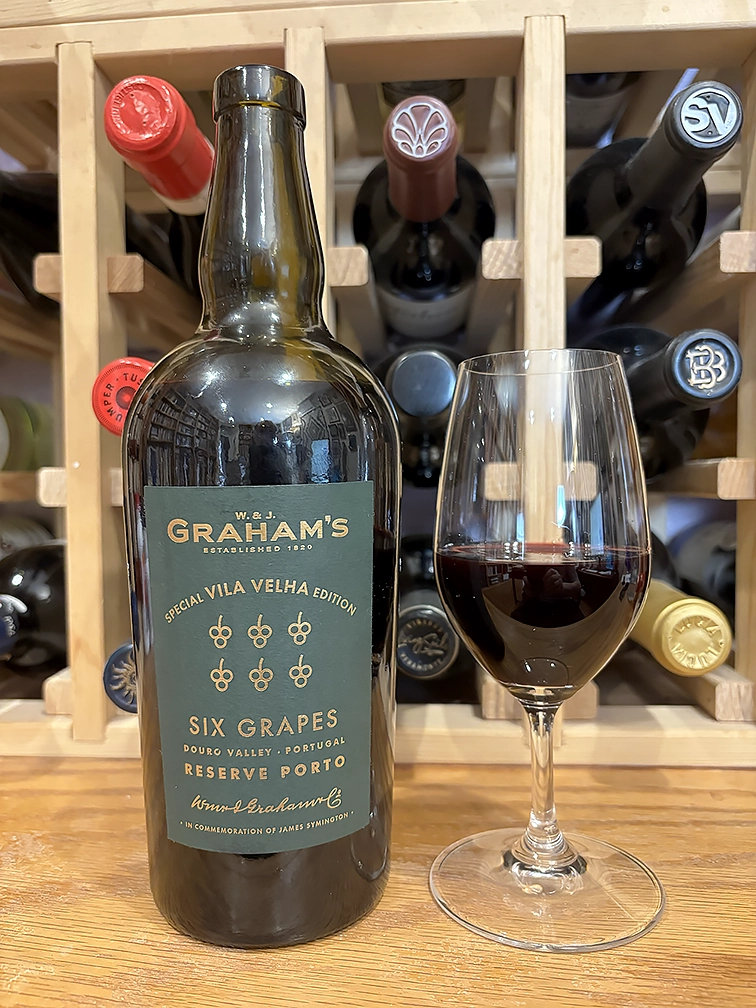
Medium-plus sweet; balancing acidity. Very full body. Velvety richness masks the high alcohol (19.5% ABV). “Reserve Porto” is relatively young port. The name indicates style and quality. Graham’s ages this wine two to three years in seasoned casks to preserve youthful fruit characteristics. $40–47
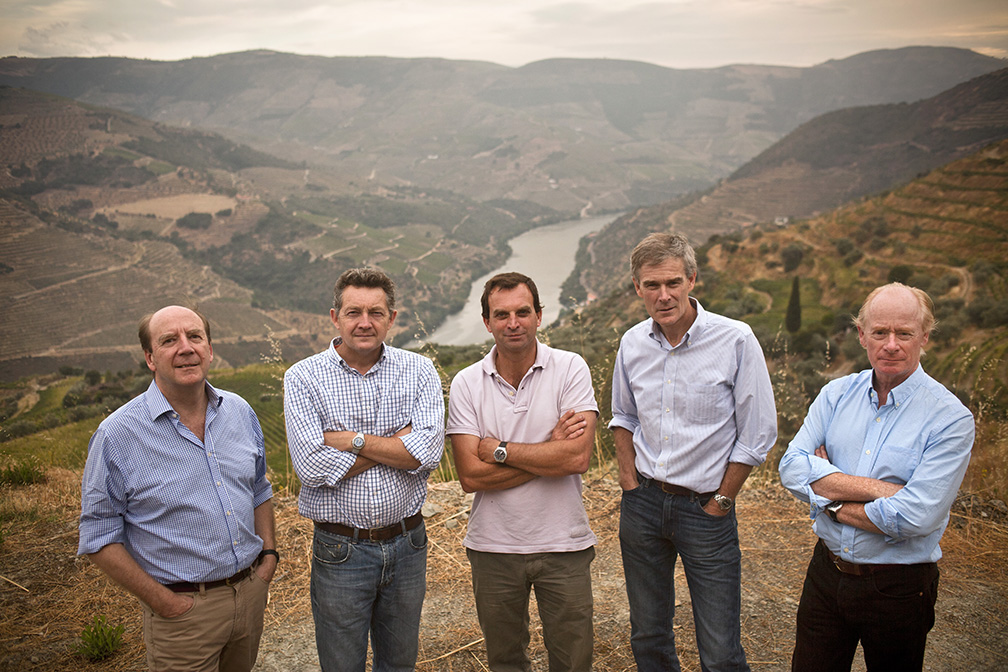
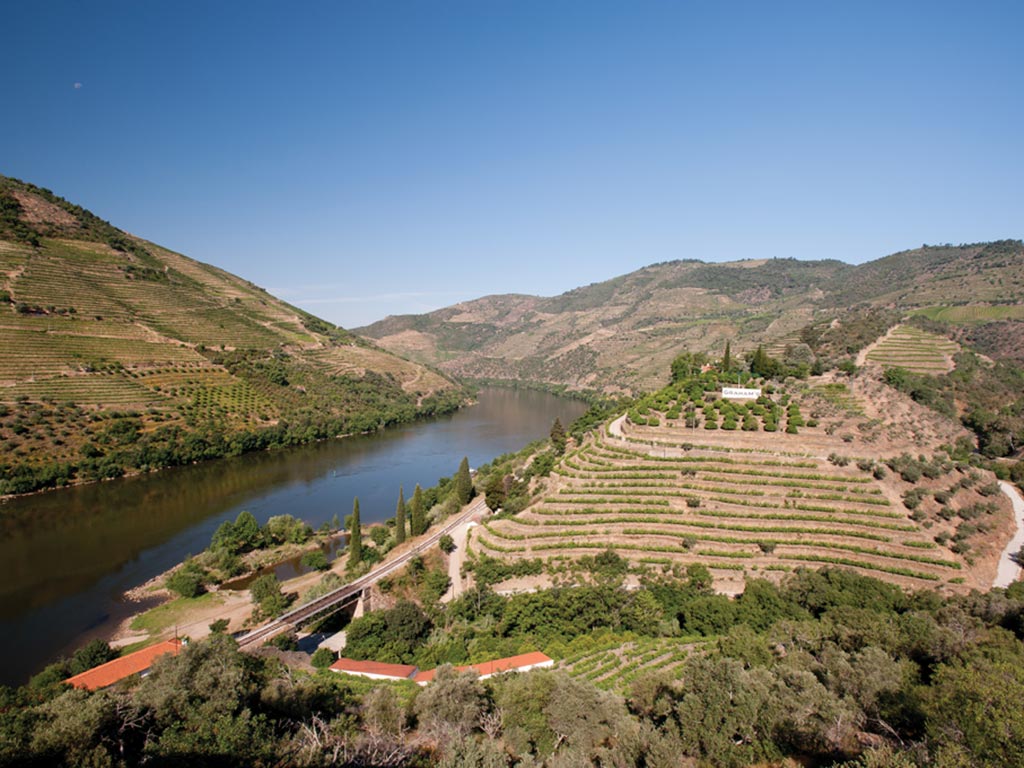
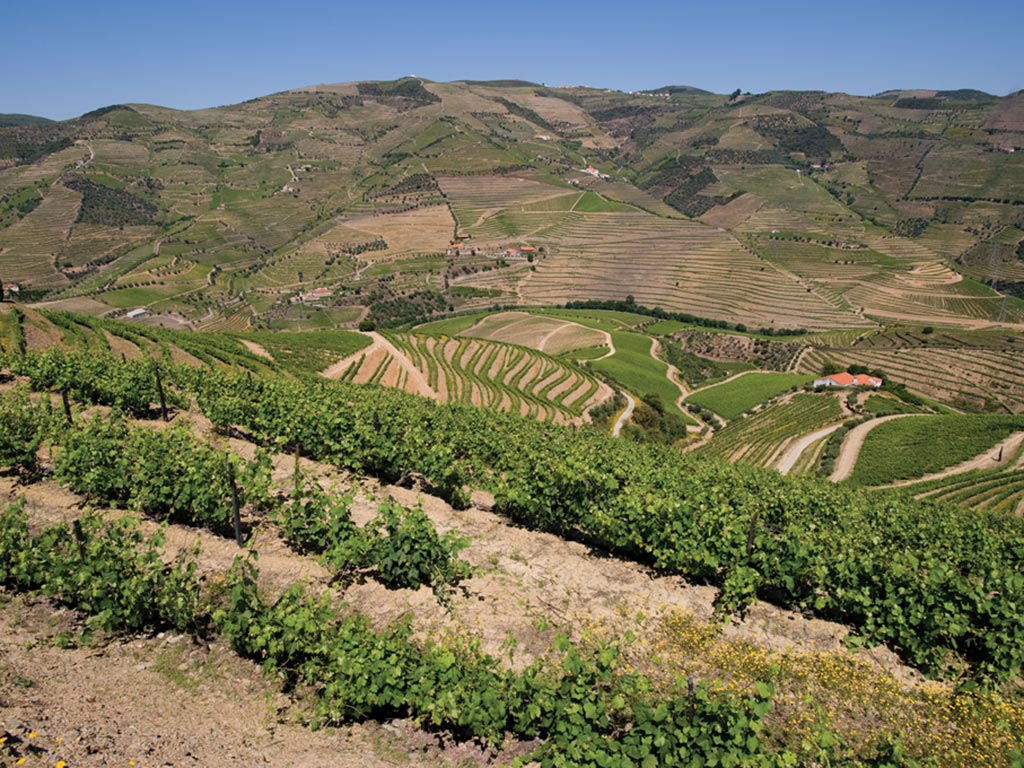
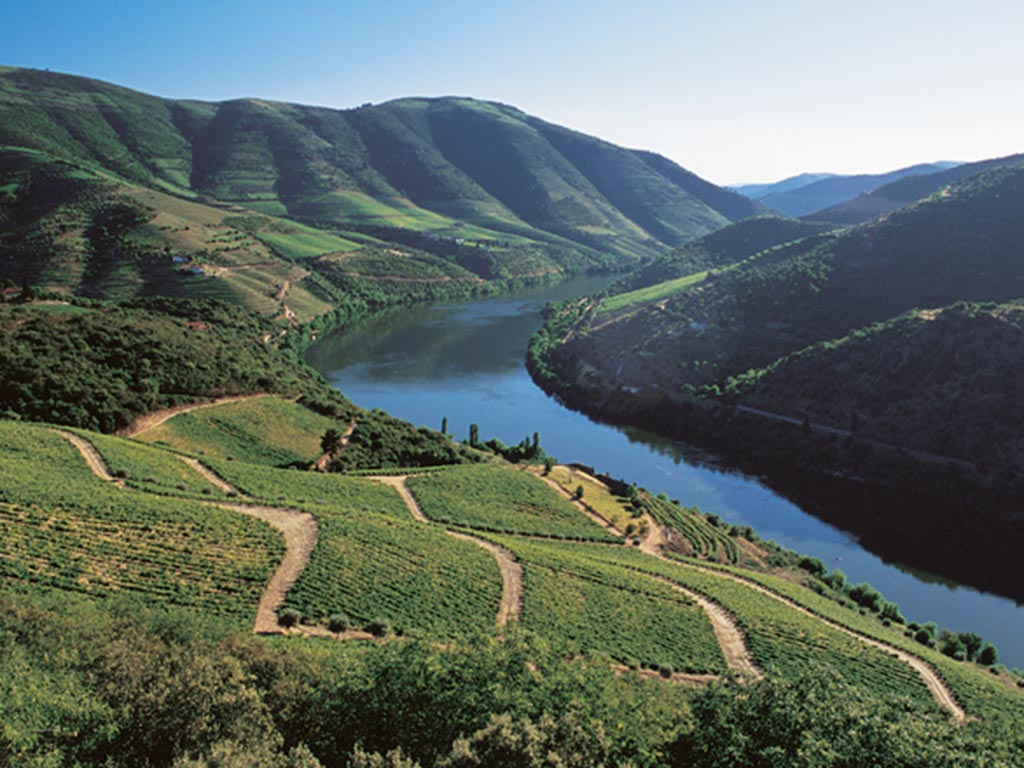
This is a single-vineyard production from Quinta da Vila Velha, property purchased by James Symington in 1987. Over the next three decades, Symington restored and expanded the quinta into a well-tended 358-acre riverside property with 135 acres under vine. Principally a blend of the Douro region’s major grapes: 56% Touriga Nacional (tannins, richness), 36% Touriga Franca (aromatics), 8% Alicante Bouschet (blackberry). Each variety is picked according to its ideal ripeness, then often fermented separately. Blending happens later according to each variety’s characteristics. Charles Symington was the winemaker. This special edition honored James Symington, who died in 2020.
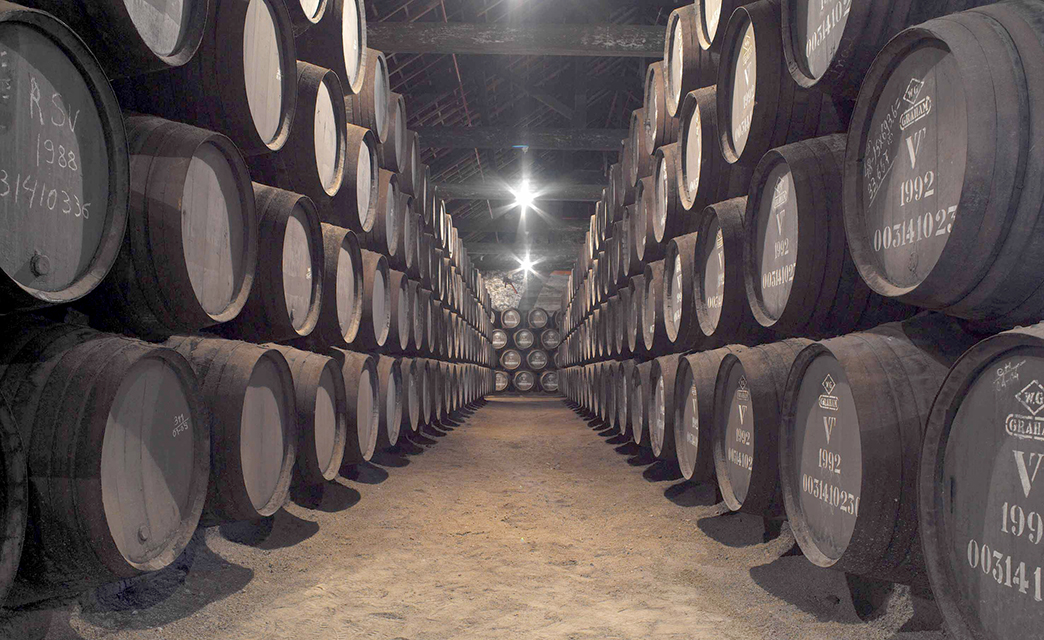
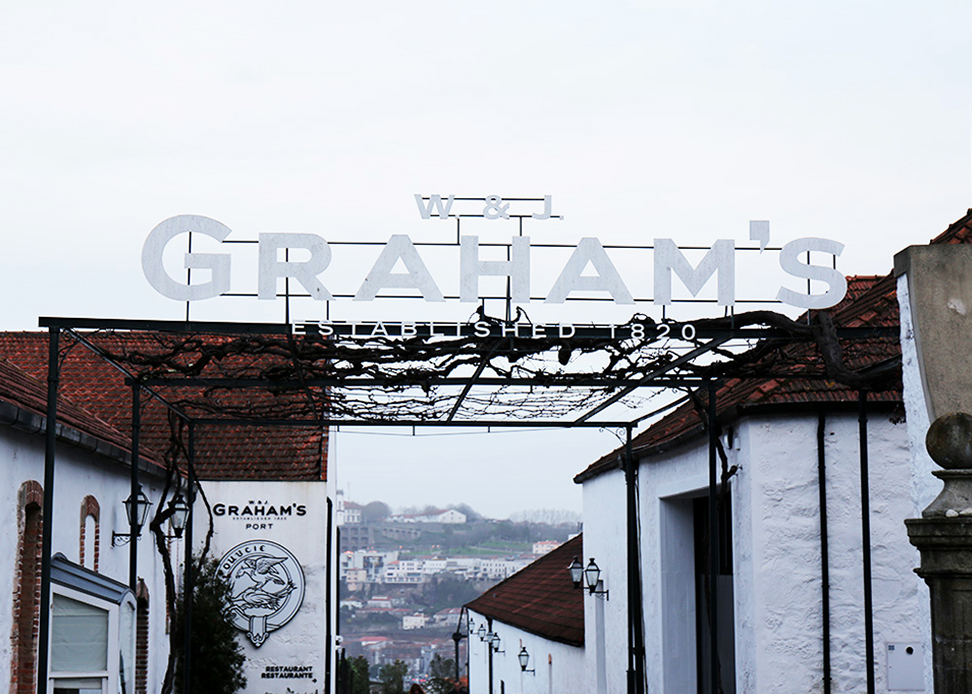
Brothers William and John Graham first established their firm in northwest Portugal to trade in textiles. In 1820, they accepted 27 barrels (“pipes”) of Porto in payment of a debt. Shortly thereafter, they devoted all their energy to making port wine. In the ensuing years, W. & J. Graham’s became one of the great Porto houses.

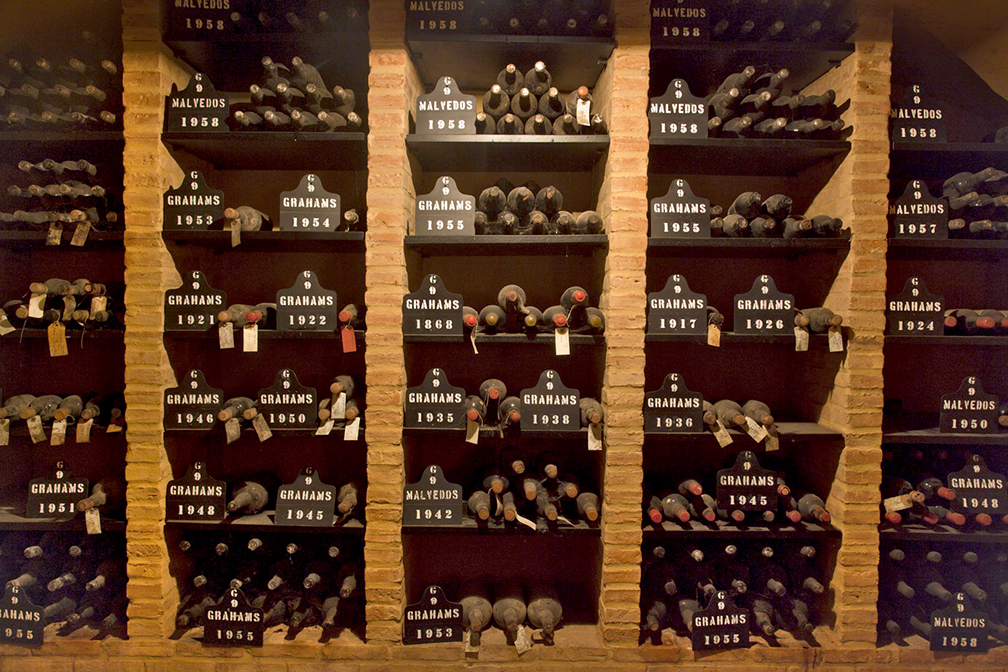
In 1970, the Symington family, who had produced Porto since 1882, purchased the Graham’s operation. The purchase represented an interesting twist, since 88 years before, the founder of Symington, A.J. Symington, began his career at Graham’s. The Symingtons now control or have historically controlled Cockburn’s, Graham’s, Warre’s, Dow’s, Smith Woodhouse, Gould Campbell, Quarles Harris, and Martinez—by far the world’s strongest Porto portfolio. They have the largest vineyard ownership in the Douro.
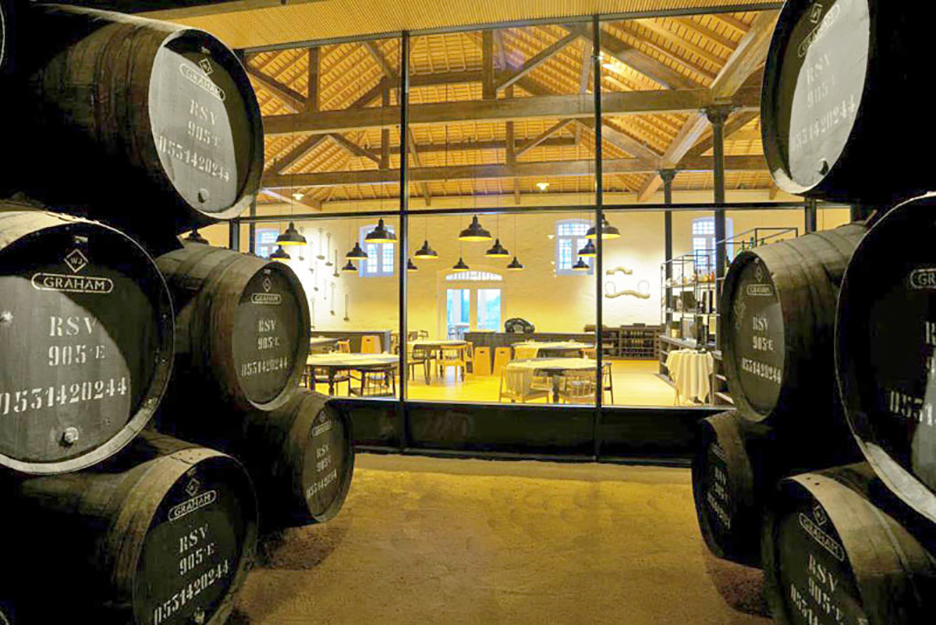
The six grapes label does not mean six different grapes. The grapes are grown and turned into wine in the upper Douro in northern Portugal, then transported to Gaia (on the opposite bank of the Douro from the port of Porto) where the wines are aged in “lodges” before being taken by truck to shipping facilities in the port city that gives the wine its name. To identify the different grades of wine leaving facilities in northern Portugal, barrels are marked with coded symbols describing the type of wine they contain. When the barrels are received in Gaia, the requisite symbol and quantity are entered into large ledgers known as “lot books.”
Graham’s adopted its own set of lot book codes, with geometric symbols, letters and other designs describing the style of the maturing wines. Only the wines with vintage potential were designated “Six Grapes”, that being the highest of their six possible classifications.
People sadly pigeonhole Porto as a winter wine to be sipped around blazing fireplaces while cold winds whistle outside. That is unfortunate. Porto is an all-the-year libation. Porto can be served chilled, which knocks down the heat on the finish and makes it a nice warm-weather drink. Graham’s suggests enjoying this at a summer evening picnic paired with s’mores and a campfire under starry skies. Sounds wonderful and decadently delicious.
Because it is a fortified wine, it can remain fresh after opening for two months if stored in a cool, dark place. Graham’s ports traditionally are sweeter and more fruit-driven than others. They’re also sensationally smooth on the palate and delicious. They virtually command you to take another sip—although at 19.5% ABV, some resistance is advised.
W. & J. Graham’s Six Grapes Special Vila Velha Edition Reserve Porto, Douro Valley, Portugal: Deep ruby-purple color; plum, black cherry, blackberry, blackcurrant, raisin, licorice, chocolate, mocha, rosemary, mint, pine resin, esteva, subtle oak on the nose and palate. Medium-plus sweet (98 g/L); tight tannins; balancing acidity (4.6 g/L tartaric acid). Lush and jammy; a plum and chocolate delight. Intense and focused through long finish.
Pairing—While this is a classic after-dinner sipper enjoyed on its own, it also pairs with dark chocolate, chocolate desserts and other sweet desserts; pistachio sorbet; and dark chocolate truffles. Cheese—Mature and hard cheeses; blue cheese is classic; aged Gouda, Gruyère, Romano, Parmesan, Cheddar.