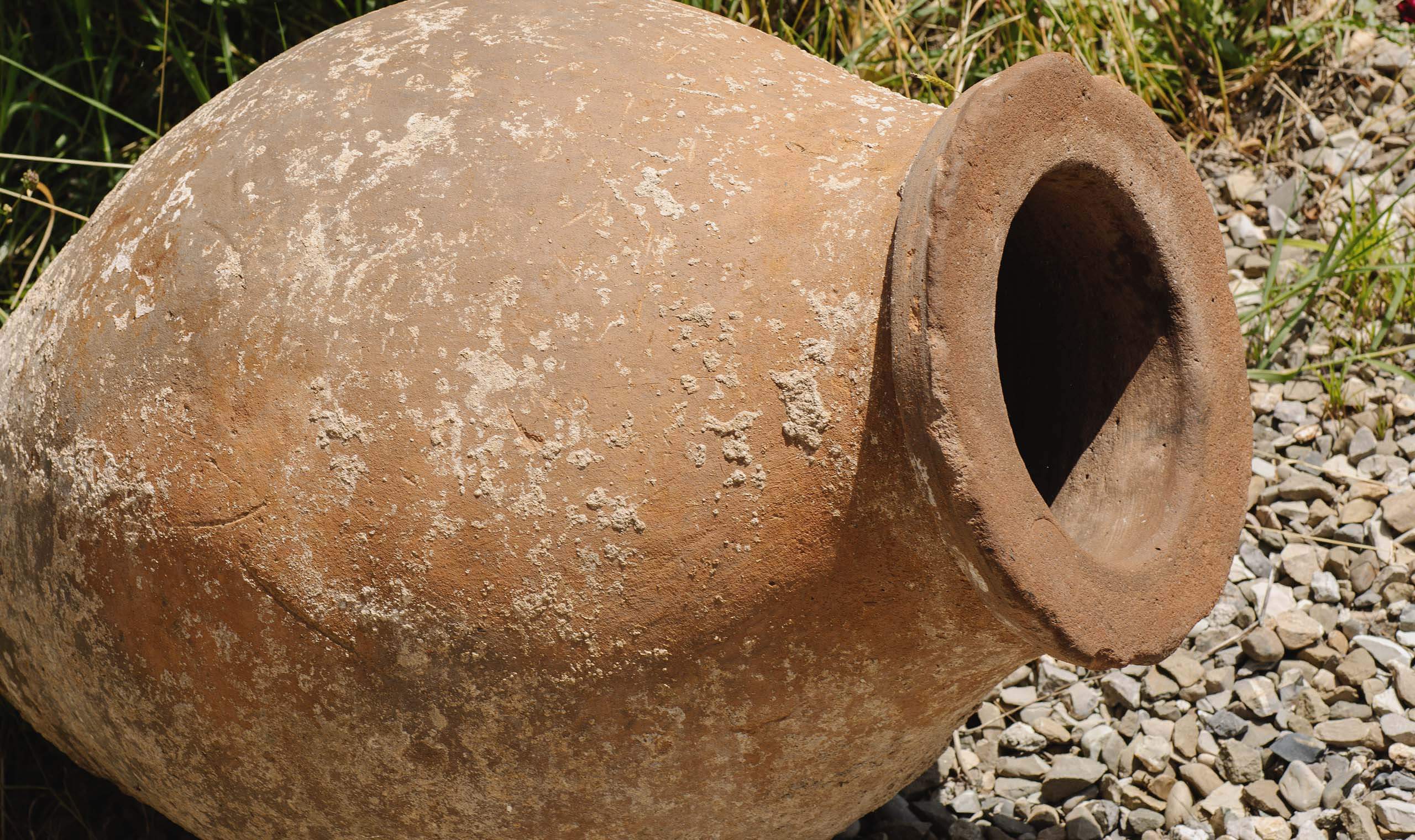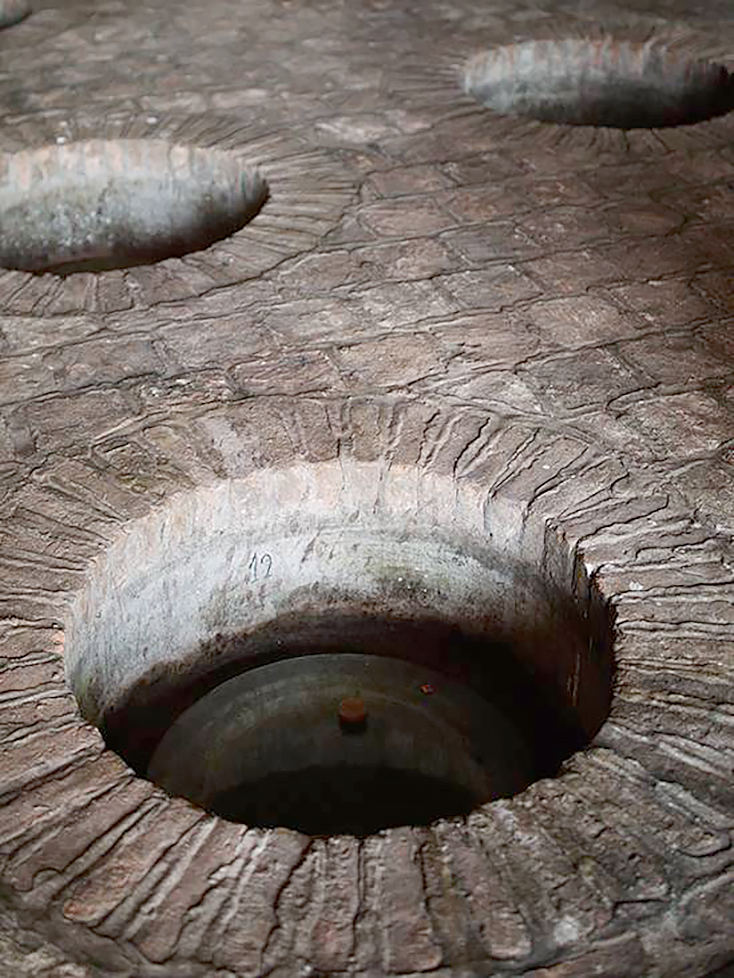
Rich Saperavi wine aged in qvevri (clay amphora) in Georgian tradition dating back thousands of years. Georgian winemaking has made a spectacular comeback from its dreary days of Soviet plonk pushing. This is a crowd-pleasing example of that revival at a bargain price. $12-20
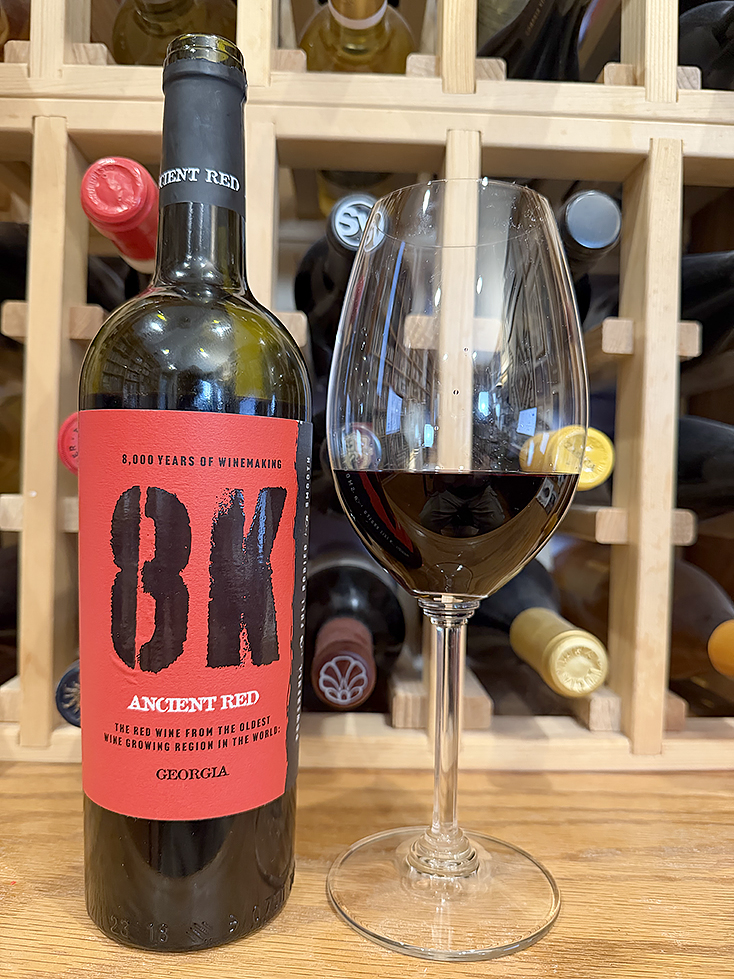
This is not complex, not exotic, just an acceptable everyday table wine. Part of its allure, certainly, is that you are drinking wine made in the birthplace of wine. Georgia can credibly claim an 8,000-year-old winemaking tradition, confirmed by archaeological evidence. By comparison, France’s prestigious classed-growth châteaux are still in their toddler-in-diapers stage.
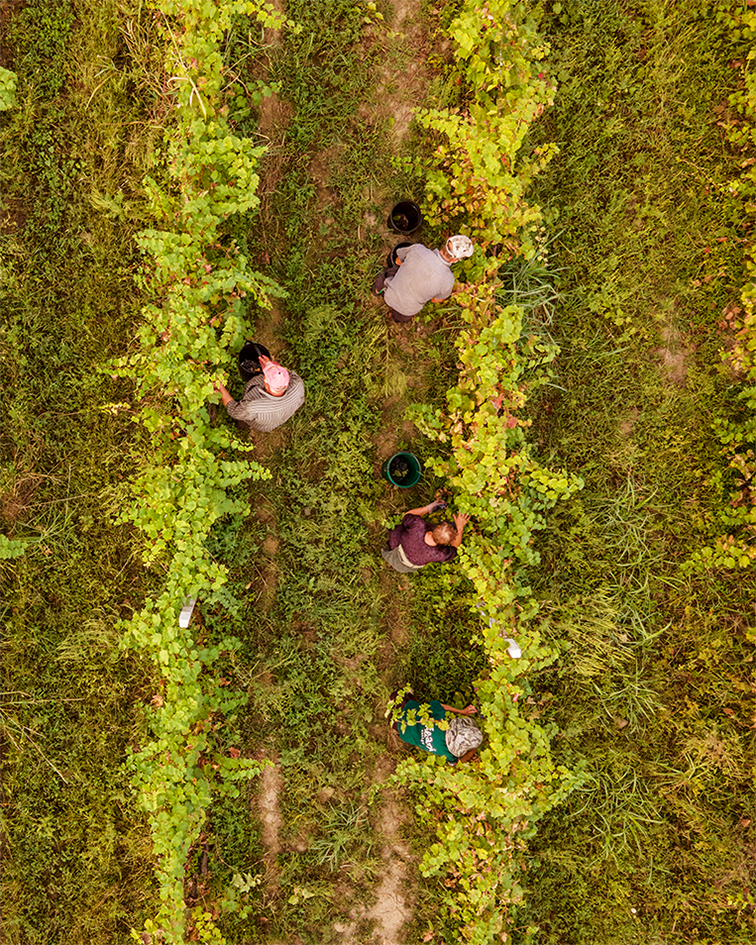
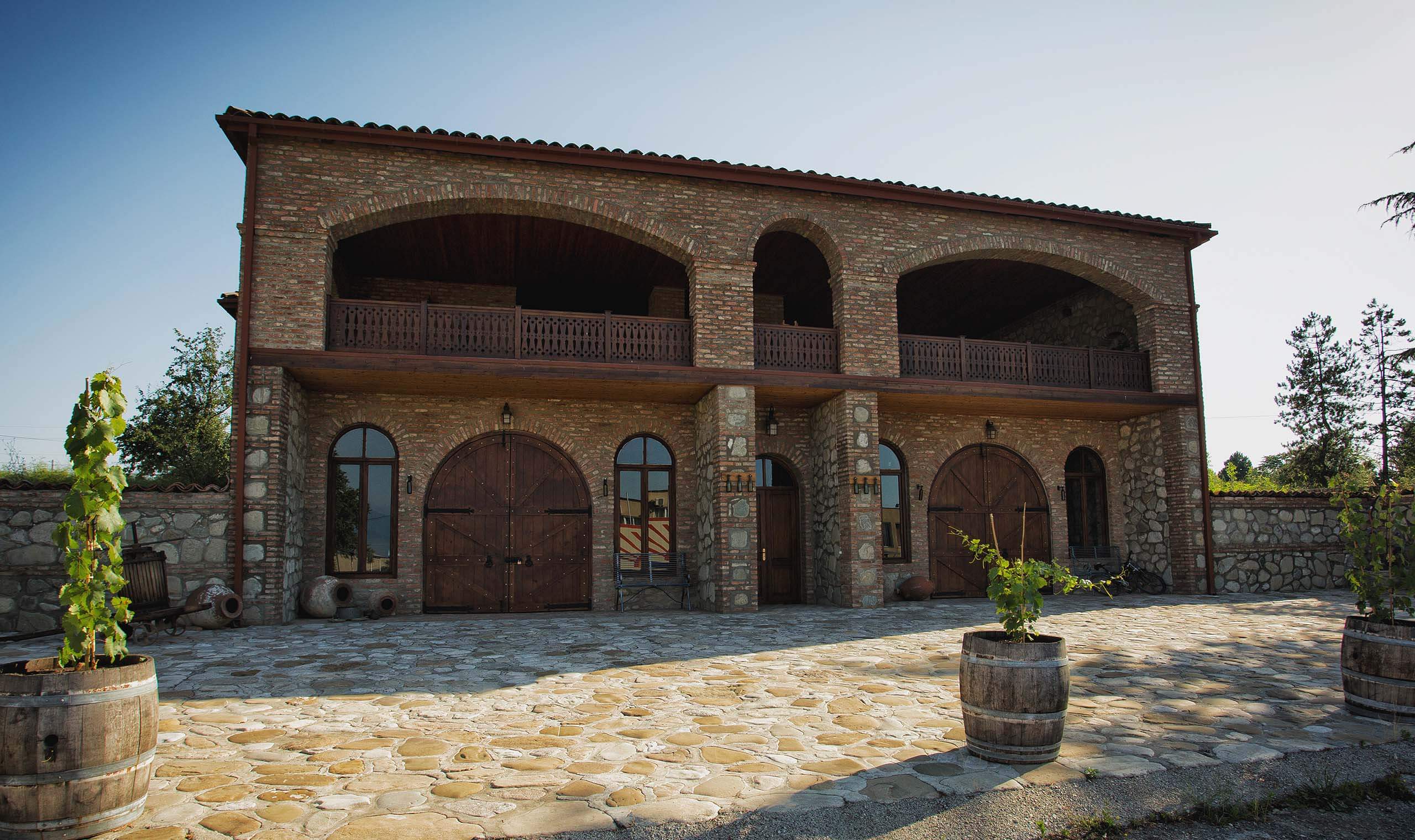
Two young winemakers started Teliani Valley in 1997. Today’s winery was built largely from scratch rather than taking over a Soviet-era wine factory, but it is on a site that dates to a 19th-century winery. Its Soviet-era successor, the Teliani Wine Cellar No. 2, built in the 1950s. By 1997, the Soviet winery was largely in disrepair, certainly not configured for quality wine. The operation had built a new facility in 2005. Teliani Valley winery is located in Telavi, Kakheti Region, the heart of Georgia’s wine country. Grapes come from the 1,730-acre estate vineyard. Temuri Dakishvili is the winemaker.
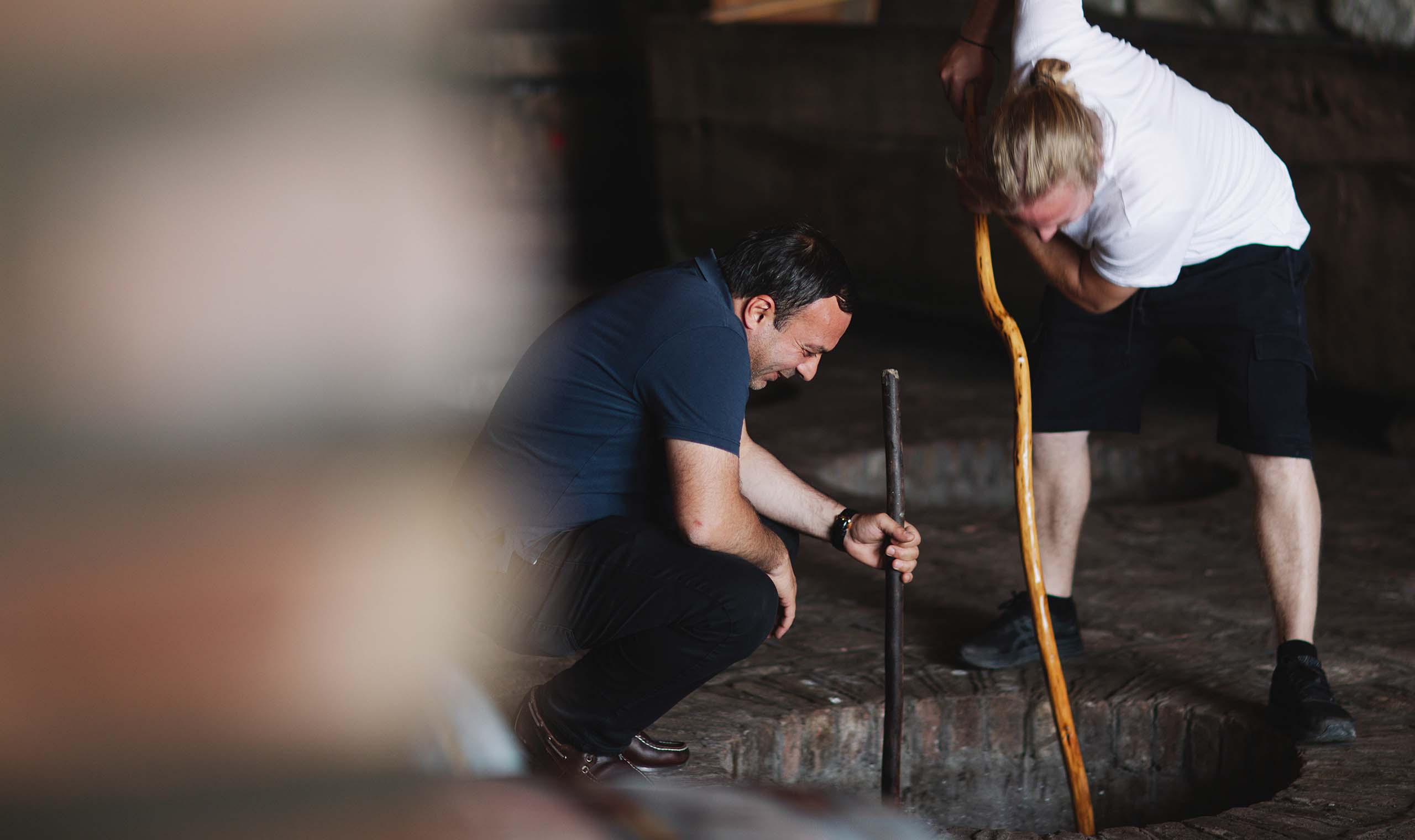
Teliani Valley’s mission is to combine ancient Georgian winemaking—including the use of qvevri in this bottling—with modern equipment and techniques. Teliani also makes other wines using oak barrels, for instance. They aim to fuse the best of both worlds. That includes using indigenous grapes that teetered on the brink of extinction under the Soviet system that demanded quantity over quality. Georgians bristled under that imposition of state power and kept the ancient vines alive in backyard plots. Now we get to appreciate the fruits of those acts of courageous cultural preservation.
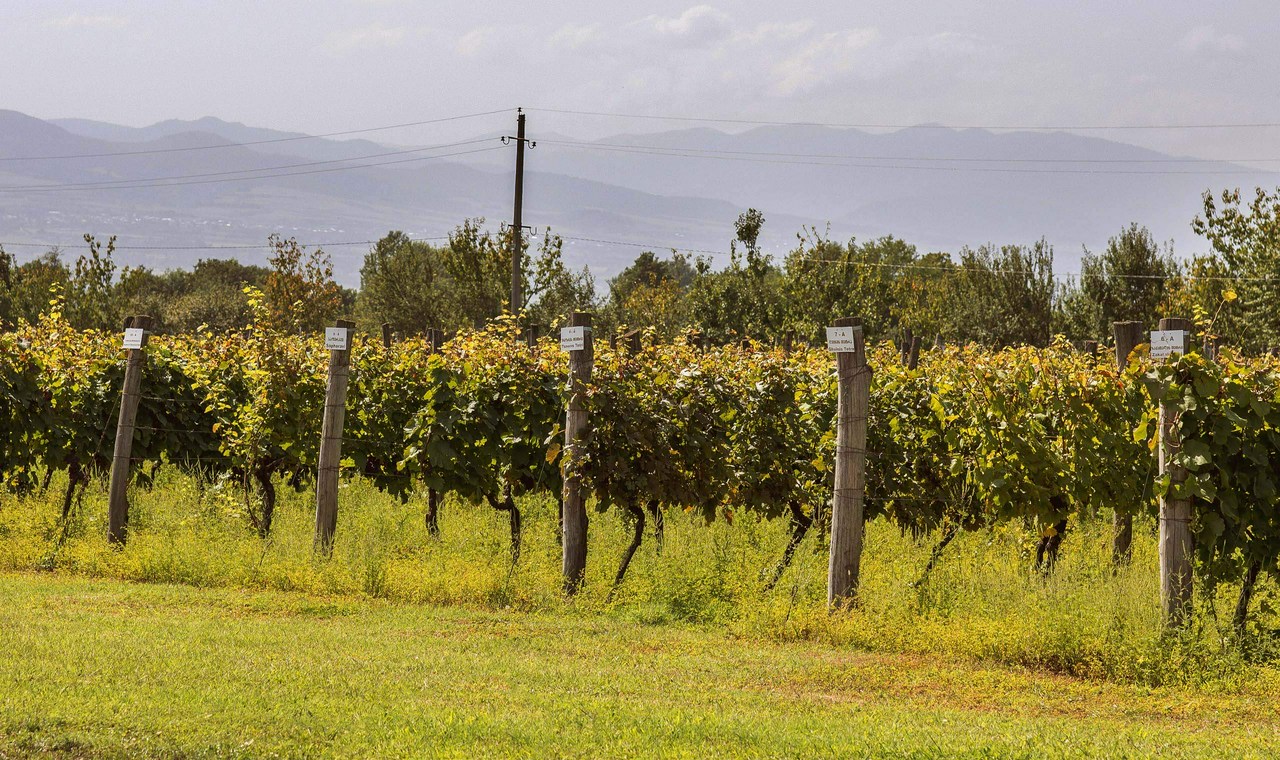
Saperavi means “paint” or “something to dye with” in Georgian, a reference to the wine’s deep purple-ruby color. Saperavi is one of the world’s few teinturier grapes—it has red flesh in addition to its red skin. This gives the wine its distinctive dark color. Native to the Kakheti region of eastern Georgia, it is now grown in Armenia, Moldova, Ukraine, Australia, and New York’s Finger Lakes region, testimony to its cold-hardiness when climate demands it and adaptable to various soil types. It ripens late while retaining natural acidity. Well worth a taste.
Teliani Valley 8K Ancient Red, Georgia: Deep ruby color; blackberry, black plum, ripe cherry, pomegranate, black tea, licorice, clove, earth, dried herbs on the nose and palate.
Dry, but rich fruitiness gives the illusion of semi-dry; smooth, round tannins; pleasant acidity. Full, fleshy body. Its admirably discreet alcohol (12.5% ABV) keeps it from feeling massive. The finish amply delivers plush, lingering flavors. It is an easy-drinking, affordable gateway to Georgian wine.
Pairing—Grilled lamb chops, braised short ribs, hearty stews, barbecue. Roast duck, duck breast, game birds with berry reductions. Venison and other wild game. Creamy mushroom pastas. General comfort foods—meat lover’s pizza, meatloaf, hamburgers, tomato-based pastas. Cheese—Georgian aged Sulguni, smoked cow’s milk cheeses. Aged Gouda, sharp white Cheddar, Manchego, aged Pecorino.