Refined, ethereal expression of Pinot Noir, and adds to the evidence that Oregon can produce some of the most consistently outstanding Pinot Noir in North America. $50

The 2024 vintage was impressively generous for Chehalem, delivering near-perfect fruit quality. Warm temperatures and a May heat spike in the vineyard encouraged early flavor development. Diurnal shifts of more than 35 degrees in summer helped concentrate flavors during the day and preserve acidity at night. July saw a heat wave. August delivered a surprising rain event, which the vines thoroughly enjoyed. Nature further blessed the vintage with sunny days and crisp nights at harvest, ensuring picked fruit was cool and berries were intact through destemming and fermentation.
Chehalem sourced grapes from selected estate blocks in a cooler, secluded part of the vineyard. The wine is a blend of three Pinot Noir clones: 59% Pommard, 25% Dijon 667, 16% Wädenswil. Fermented in stainless steel with 4.7% whole-cluster inclusion. Aged 14 months in French oak, 40% new, then blended and bottled.
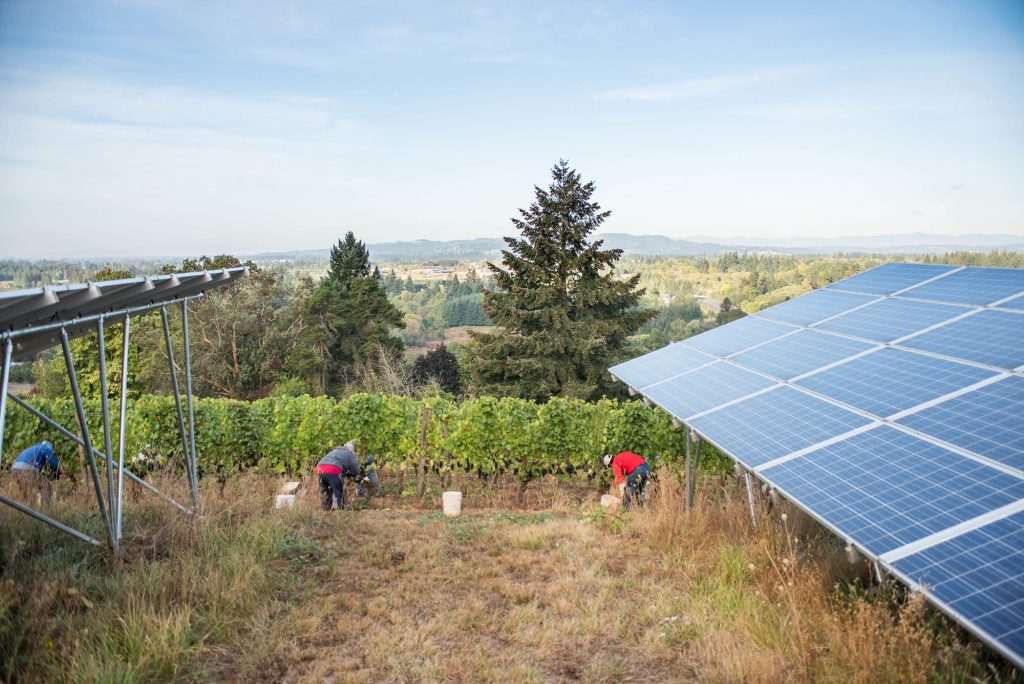
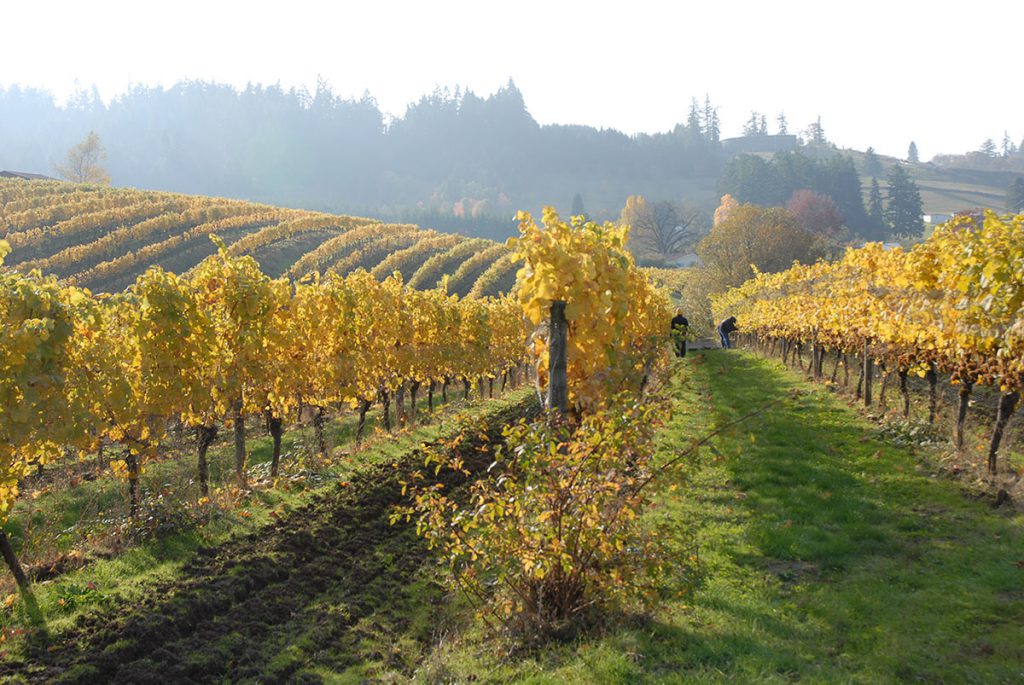
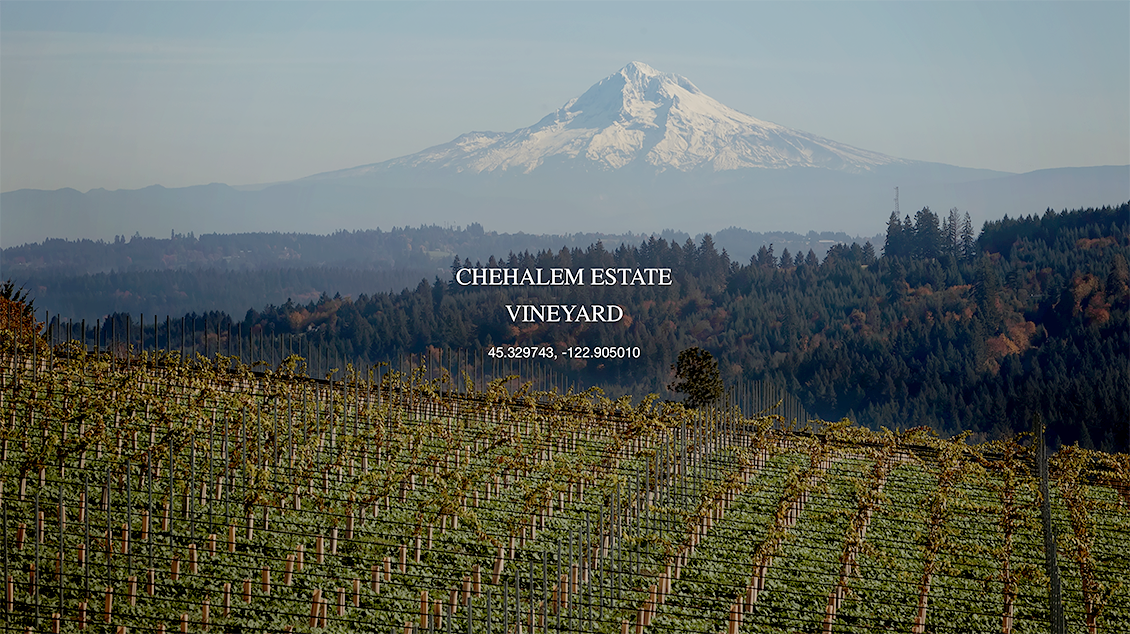
The Laurelwood District site is the coolest of Chehalem’s estate vineyards. Harry Peterson-Nedry founded Chehalem in 1990 and planted the Laurelwood site in 2007. After joint ownership, the Laurelwood site and the Chehalem brand were fully acquired by Stoller in transactions 2018 and 2020. The estate includes 210 acres, with more than 120 planted in wine grapes. Laurelwood soils are distinctive—windblown loess formed when northeastern winds deposited glacial silt onto volcanic uplifts. The topsoil is layered to varying depths with large, weathered basalt boulders in pockets around the property. Several natural springs in Little Hells Canyon Creek and Chicken Creek provide water that drains through the property.
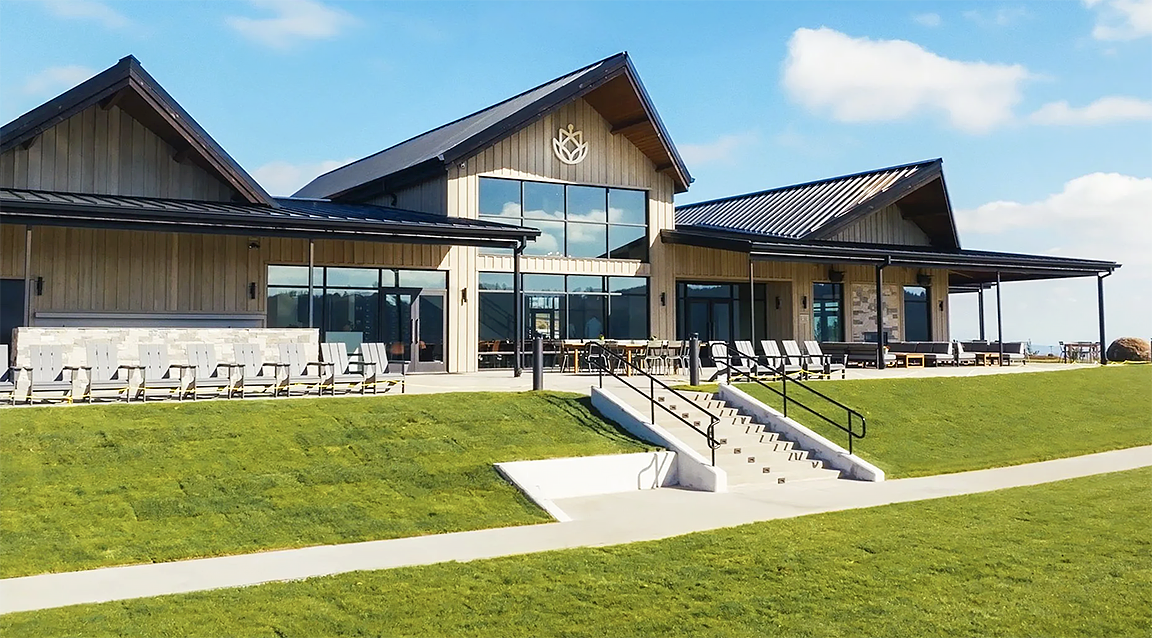
The vineyards and winery were LIVE certified in 2008. LIVE certification acknowledges socially responsible winegrowing and winemaking as well as environmental stewardship and sustainable production in the Pacific Northwest. Chehalem earned B Corp Certification in 2018, an acknowledgment that the winery meets high standards of social and environmental performance.
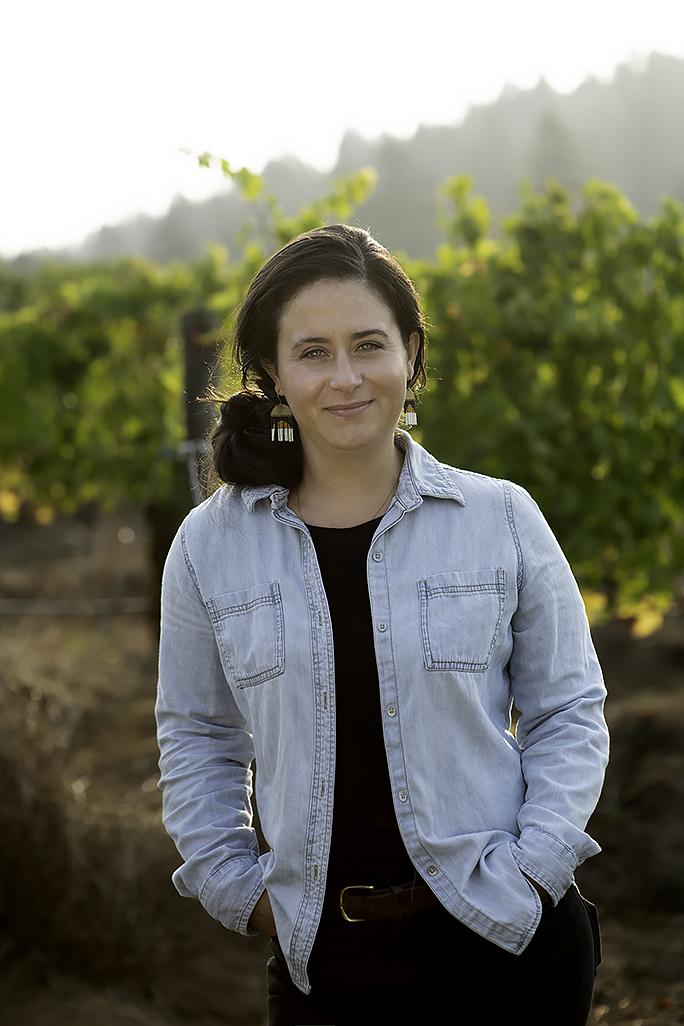
Katie Santora is the winemaker. She began work as the assistant winemaker at Chehalem in 2012. Santora earned her degree at UC Davis in their enology and viticulture program. Her admirable philosophy is minimal processing, allowing the fruit to speak for itself.
Today, Chehalem is part of the Stoller Wine Group. In the late 1980s, Bill Stoller (1951-2025) began investing in Ridgecrest Vineyards and, later, the Chehalem operation as part of his entry into Oregon wine. The Chehalem winery’s first harvest was in 1990. Bill Stoller became a co-owner in 1993.
Stoller launched the Stoller Family Estate label in 2001. In 2018, after 24 years as a partner, Stoller became the sole owner of Chehalem. He also was part of Chemistry, History, Stoller Swing, and Canned Oregon brands. He developed Stoller Vineyard on what was his family’s turkey farm, a holding that would grow to become the appellation’s largest contiguous vineyard in the Dundee Hills.
Chehalem Estate Vineyard Pinot Noir, Laurelwood District, Chehalem Mountains, Willamette Valley, Oregon 2024: Pale ruby color; black cherry, strawberry, redcurrant, raspberry, violets, chai spice, forest floor, subtle oak on the nose and palate.
Dry; silky, fine-grained tannins; good acidity; 3.55 pH. Fresh, light-medium body. Supple, almost delicate mouthfeel with a hint of the loess dusty notes on an extended finish. The 14.2% ABV is well behaved in the mouth.
Pairing: Especially nice for holiday meals as it will go with several meats on the table. Salmon—grilled, roasted, pan-seared, or mildly smoked is classic, throw in mushrooms for further enhancement. Roasted duck breast; acidity cuts through the fatty richness. Roasted or grilled chicken; quail. Turkey. Pork tenderloin. Grilled lamb chops, lamb lollipops (but avoid strong seasoning and charring). Roasted vegetables, particularly butternut squash, Brussels sprouts, beets, vegetable risotto, lentil stews. Cheese: Brie, Camembert, fresh chèvre; Vermont Bijou; Gruyère, Manchego, Comté; pecorino, ReNero Pecorino Stagionato. Charcuterie board with prosciutto, salami, soft cheese, toasted almonds, dried cranberries, mushrooms.