Delicious, very food-friendly, and an exceptional value from a legendary Alsatian biodynamic white wine maker. Blend of Auxerrois Blanc and Pinot Blanc grapes. $30-35.
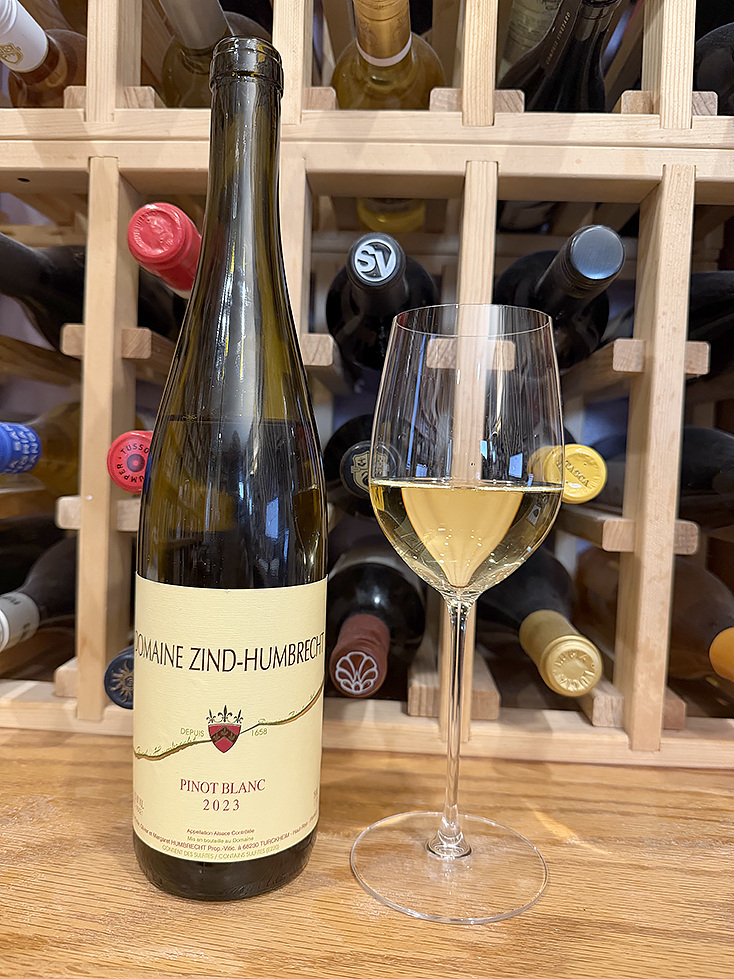
This understated, sophisticated Alsatian pour emphasizes balance, texture, and delicacy over aromatic intensity. It juxtaposes being exceptionally dry with a soft, velvety feel in the mouth. You think “I got this” in the initial attack, and then recalibrate “no, not really” as it saunters through the mid-palate and finish. There is no aggressive sharpness. Surprisingly persistent finish with some smoke and minerality teasing you to fill your mouth again to see if you really understand what is going on here.
This blend is made from two grapes related to Pinot Noir. Pinot Blanc is a somatic mutation of Pinot Noir, not a cross with a second grape. Pinot Blanc has vineyard acreage in Alsace, Burgundy, and Alto Adige and Friuli in northeastern Italy (where it is known as Pinot Bianco). Also in Germany and Austria, where it is known as Weißburgunder. There also are plantings in Oregon, California, and Canada’s Okanagan Valley. It produces dry, crisp, medium-bodied wines with bright acidity and mineral undertones.
Auxerrois Blanc is an early-ripening white grape that is a natural cross between Gouais Blanc and Pinot Noir (it shares parentage with Chardonnay). Auxerrois Blanc thrives in cool-climate regions such as Alsace, Lorraine, Luxembourg, and Germany. Small plantings exist in England, Canada, and parts of the United States such as Oregon and Michigan. It produces medium-bodied wines with gentle acidity, supple texture, and aromatic notes.
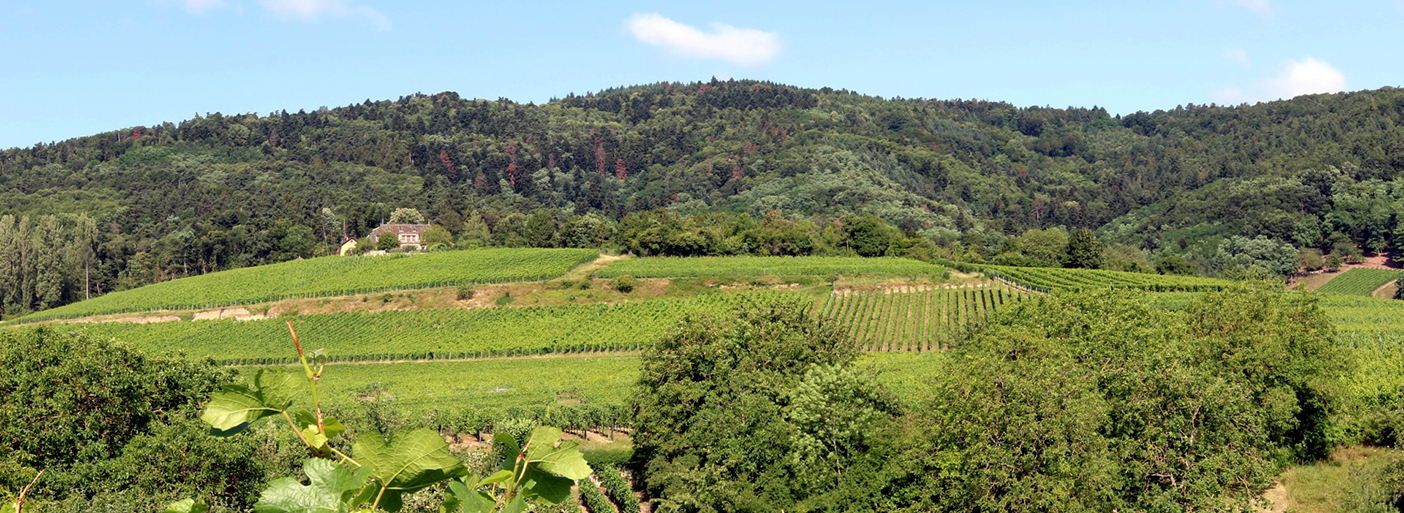
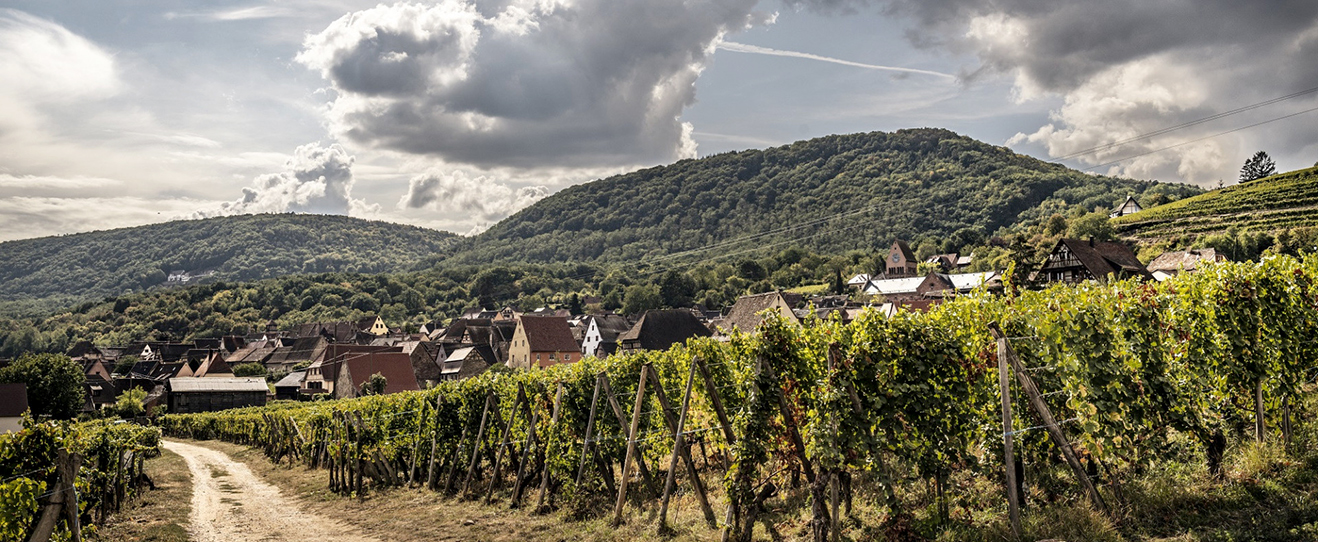
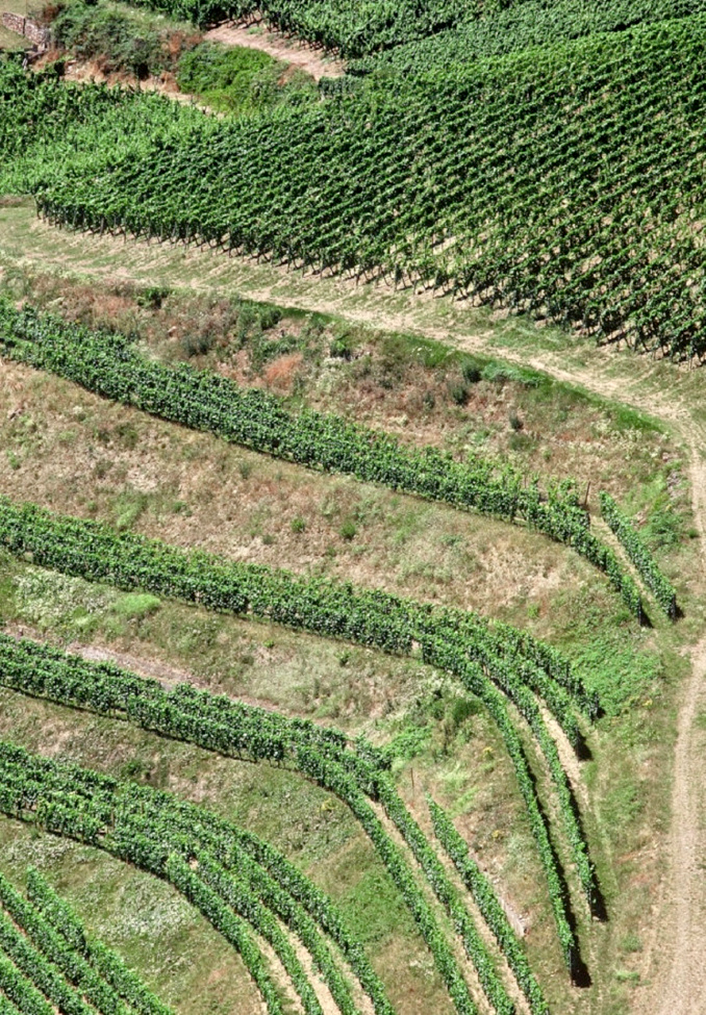
The Humbrechts have been grape growers in Gueberschwihr since about 1620. On the Zind side, Emile Zind started bottling and selling his own wine from Wintzenheim in 1947 instead of selling to négociants, the family’s traditional niche in the Alsatian wine world. When Léonard Humbrecht married Geneviève Zind, they combined two small family estates into Domaine Zind-Humbrecht. They built a new cellar and founded the winery we know today in 1959. The estate started with about 12 acres in the early 1960s. From the 1970s through 1987, Léonard bought steep hillside sites others were abandoning. He also helped create the Alsace Grand Cru system.
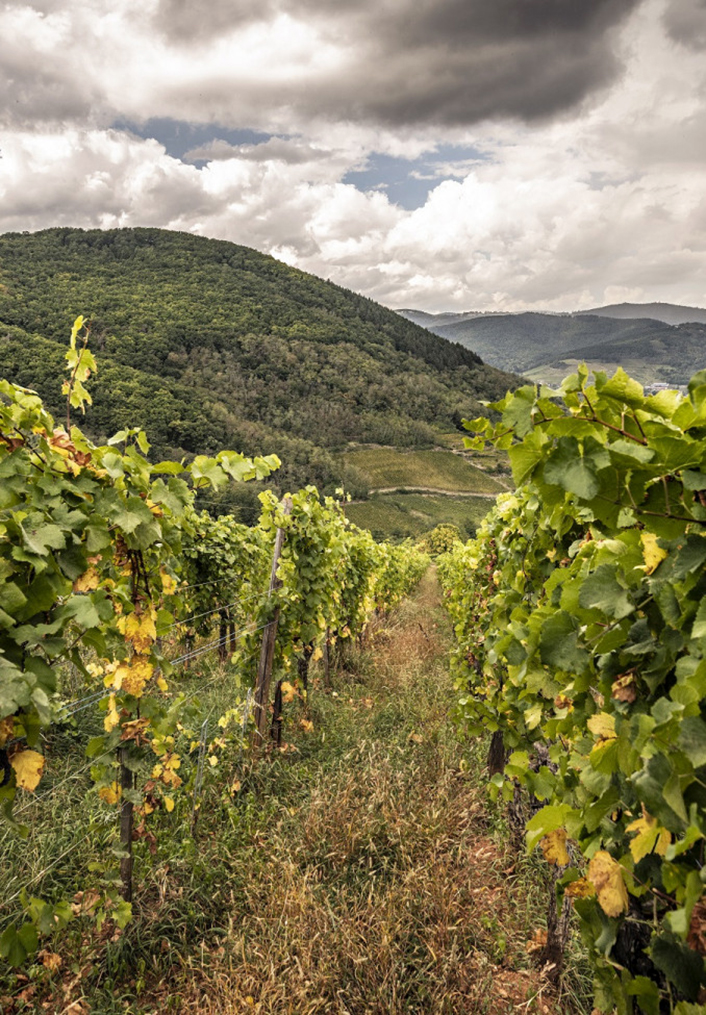
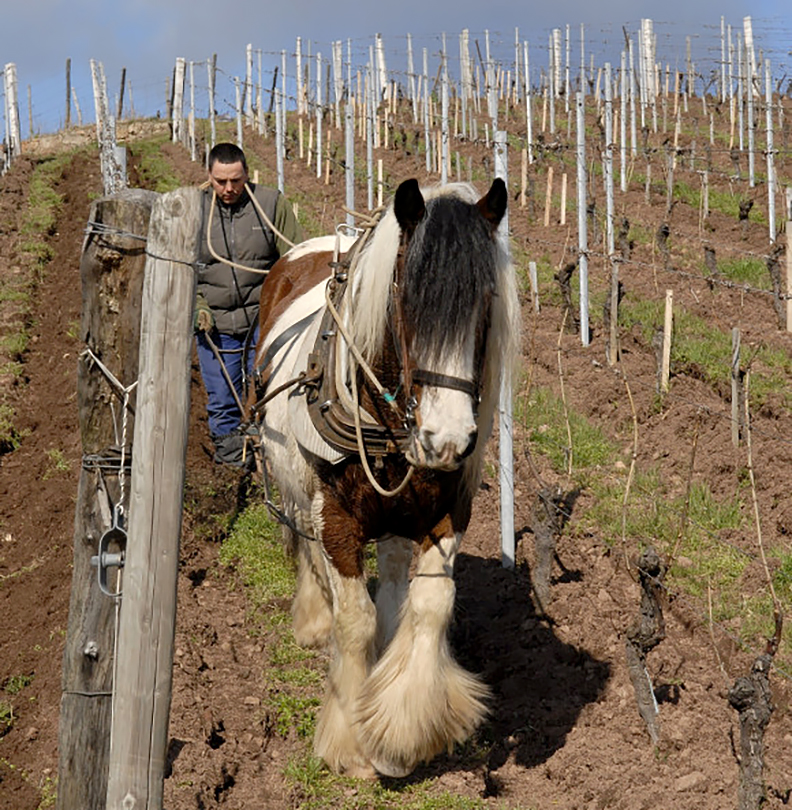
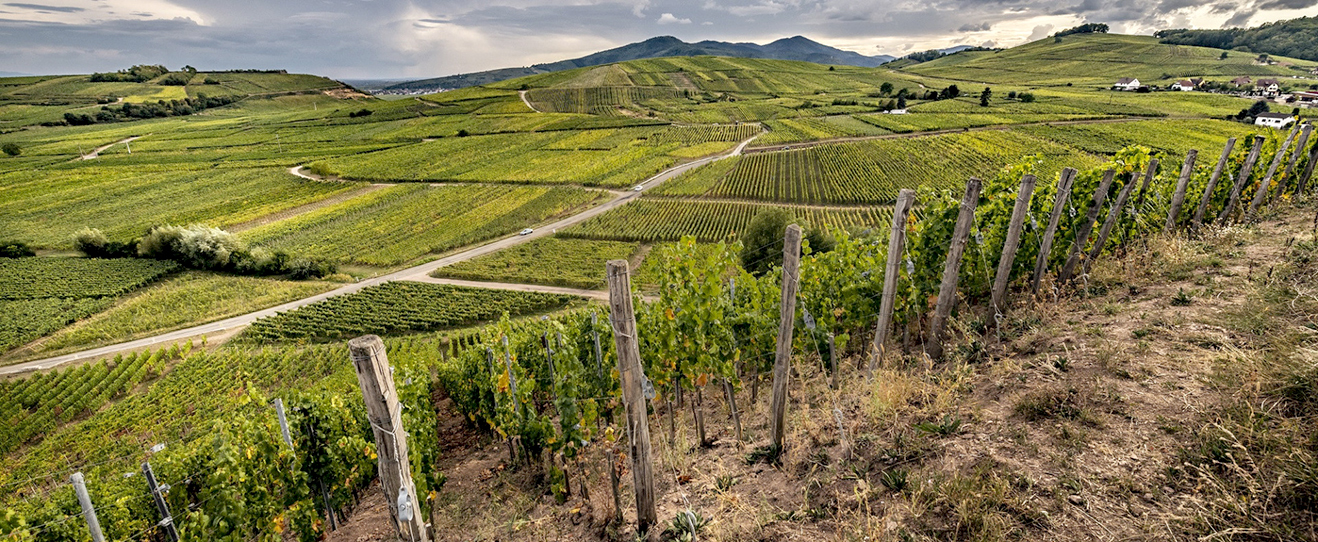
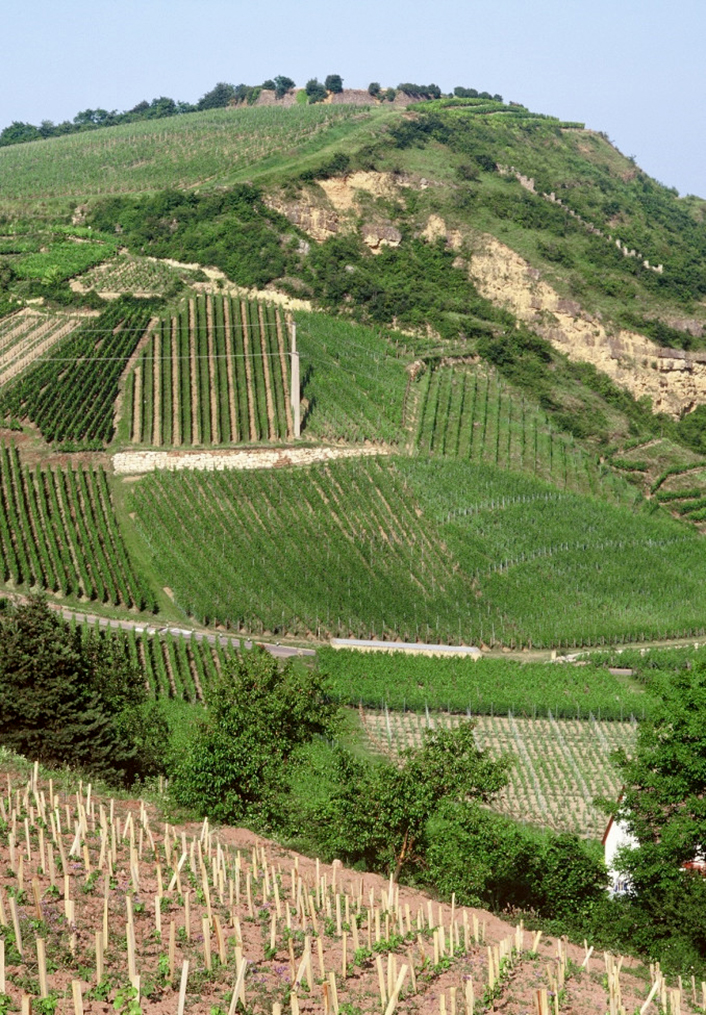
The estate says Léonard was the first grower in Alsace to put temperature control in large oak casks in 1981 and to press whole bunches in 1986. In a generational handover in 1989, Olivier—who qualified as a Master of Wine that year—took over with his wife, Margaret. The winery moved to a new facility in 1992. They also stopped fining and chaptalization in 1992-1993. They began Ecocert organic certification and biodynamic by Biodyvin in 1998. Olivier became president of Biodyvin in 2002. Today’s operation includes almost 104 acres, including six Grand Cru sites. Beginning in 2023—this vintage—the next generation started to assume greater control. This was the first year to include fruit from just below Clos Windsbuhl, on limestone covered by a thin layer of sandstone, a combination that delivers smoke and minerality. The rest comes from Herrenweg de Turckheim gravels. Pierre-Emile is named as the winemaker for this vintage.
Domaine Zind-Humbrecht Pinot Blanc, Alsace, France 2023: Pale yellow-gold color; peach, pear, apple, mandarin orange, lemon zest, touch of salinity-minerality and almonds, white flowers on the nose and palate.
Dry (less than 0.5 g/L RS); no tannins; excellent acidity without being sharp (3.3 pH; 4.8 g/L TA). Medium body; pleasant, velvety mouthfeel. Impressive finish where the salinity and almonds appear. Unusually rich and complex for a basic Pinot Blanc. Blend of 50% Auxerrois, 50% Pinot Blanc, all certified biodynamic. Indigenous yeast fermentation, extended time on the lees with limited bâtonnage. 12% ABV
Pairing—Quiche Lorraine, classic regional pairing; choucroute garnie (sauerkraut with sausages and pork); trout meunière, pan-seared walleye, pike, or other flaky white freshwater fish; steamed mussels with leeks and herbs, seared scallops, grilled shrimp, crab cakes; roast chicken with tarragon and mushrooms; Wiener schnitzel; pork tenderloin with apples; white asparagus with sauce mousseline; mushroom and fontina risotto; potato rösti with crème fraîche; mushroom ravioli. Cheese—Young Munster, Comté (aged 6-12 months), Morbier, Brie, Camembert, Gruyère, young Gouda.
Domaine Zind-Humbrecht website