Leans toward elegance and approachability rather than power while still possessing the allure of Napa fruit. Medium-full body. Moderated tannins, acidity, alcohol, power. A Napa cab on its best behavior so as not to offend anyone.
Note: some people favor Napa cabs that can offend casual wine drinkers. A good buy at its lower end price. You can do better for the money at its higher end price. $45–65
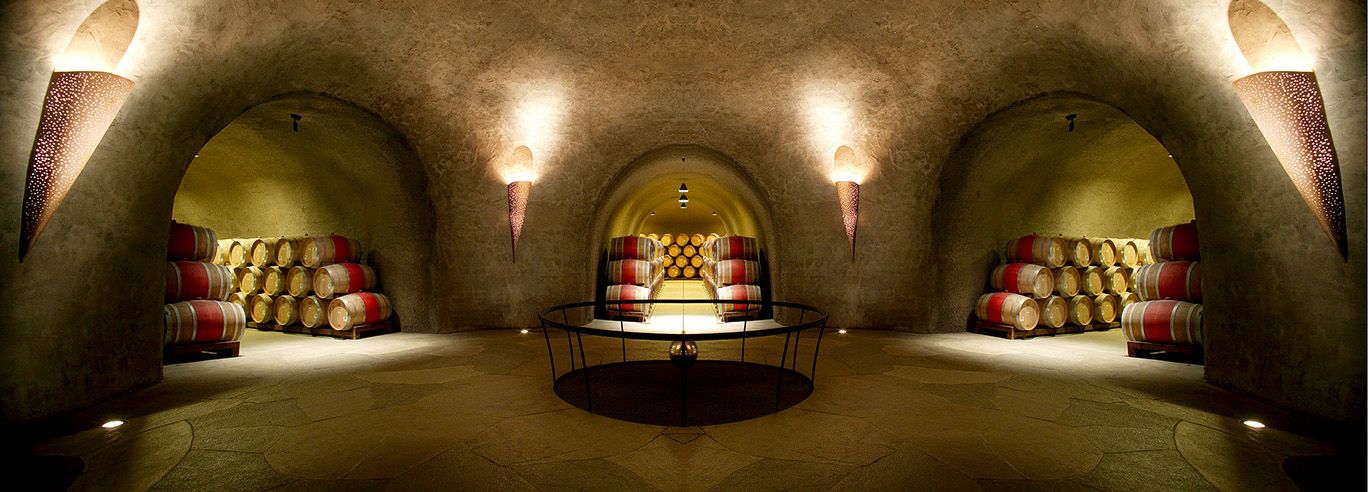
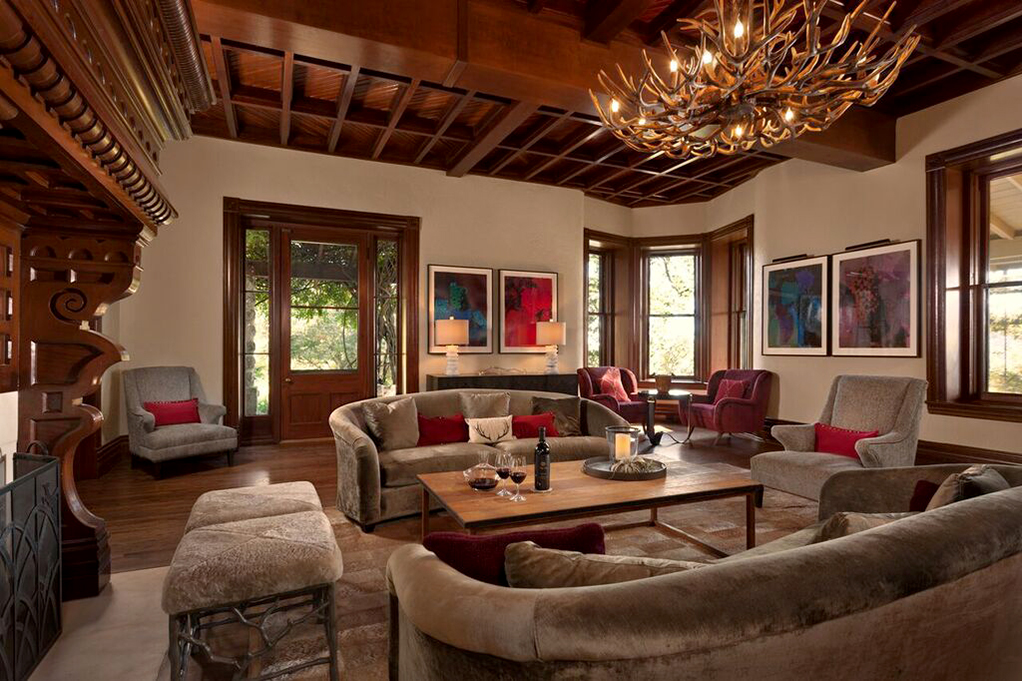
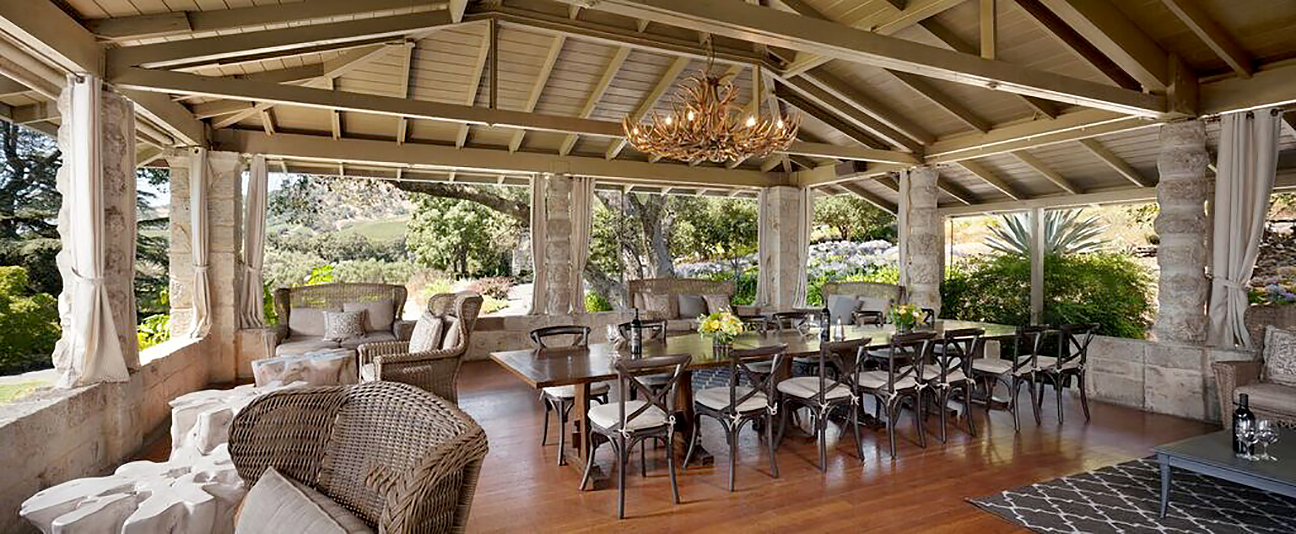
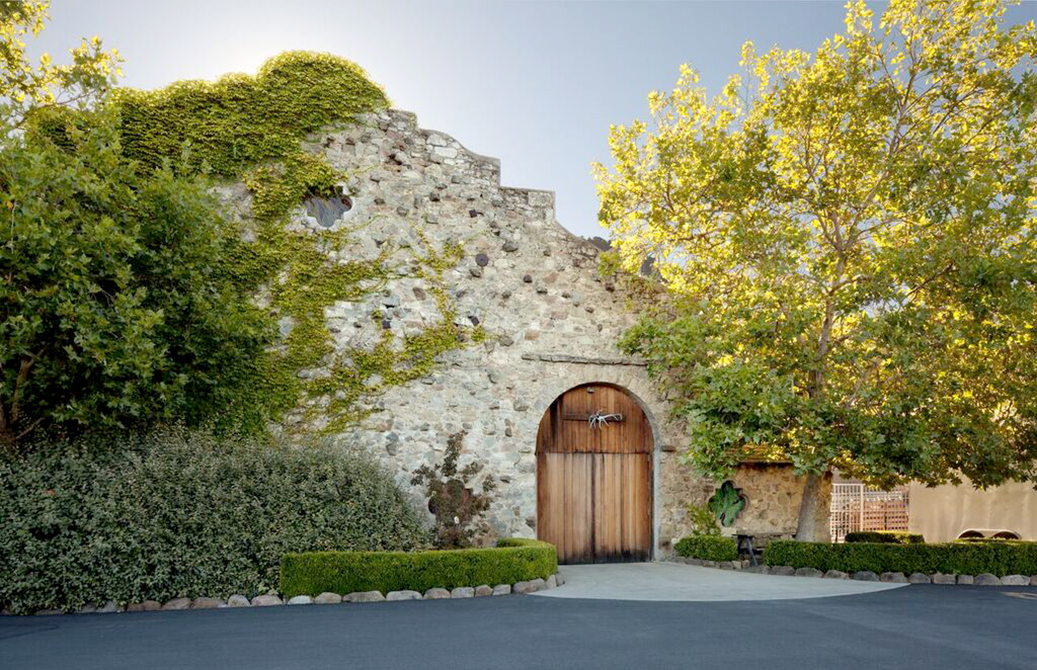
Stags’ Leap is one of California’s oldest wineries. Horace Chase partnered with his uncle, W.W. Thompson, to found the estate on land where grapes had been planted in 1872 by T.L. Grigsby. The manor house was built in 1890. The first vintage was produced in 1893. The Chase family acquired the Stags Leap name from a Wappo legend about a stag leaping to escape hunters.
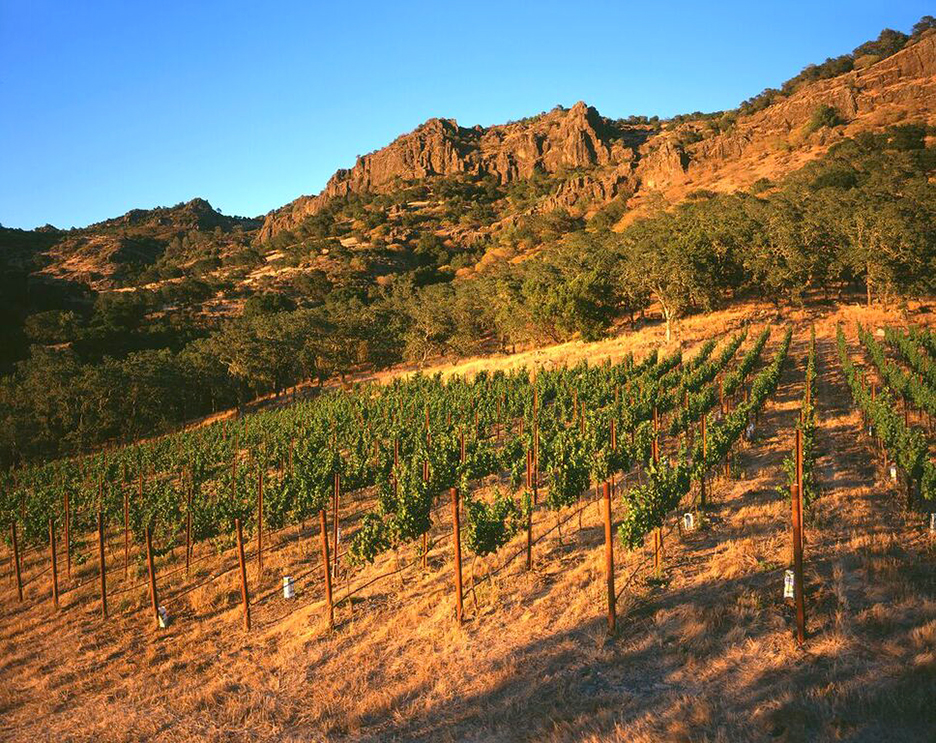
The mountains behind the property on the eastern side are known as the “Stags Leap Palisades.” While wine production was interrupted for extended periods—especially during Prohibition—wine grapes have been grown on the property continuously since its founding some 150 years ago.
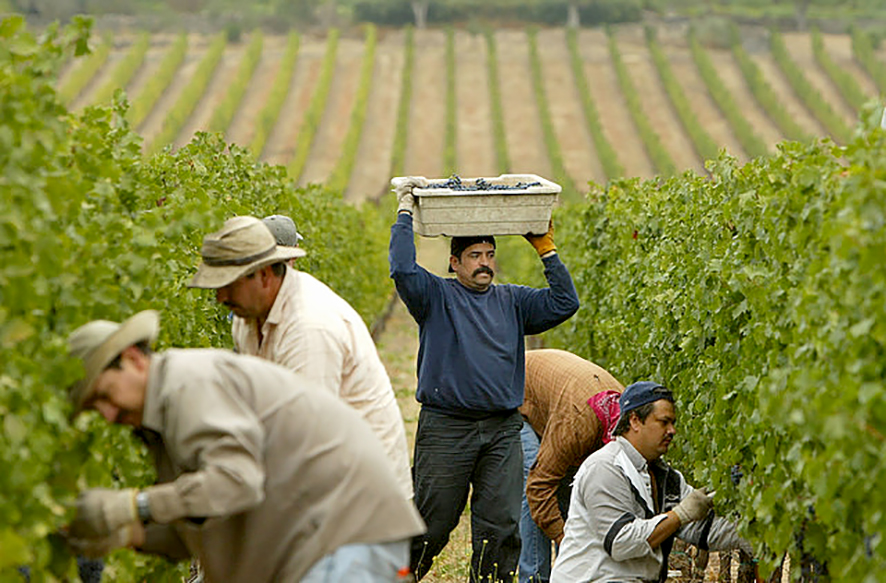
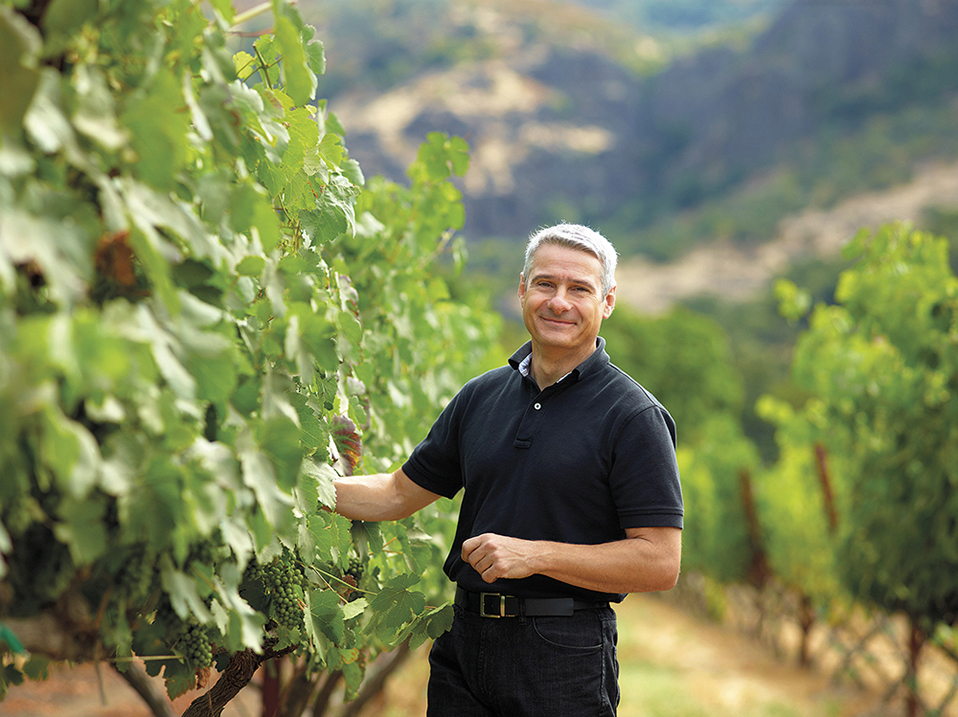
After 64 years of non-wine making (while still growing wine grapes for others), Carl Doumani resumed wine production at Stags’ Leap in 1972. Christophe Paubert joined Stags’ Leap as head winemaker in 2009. He hailed from Bordeaux and worked at the world-famous Château d’Yquem before joining Stags’ Leap. The 2022 effort was his handoff vintage. Paubert retired after the 2022 vintage, replaced by Ludovic (Ludo) Dervin, who worked with Paubert on this bottling.
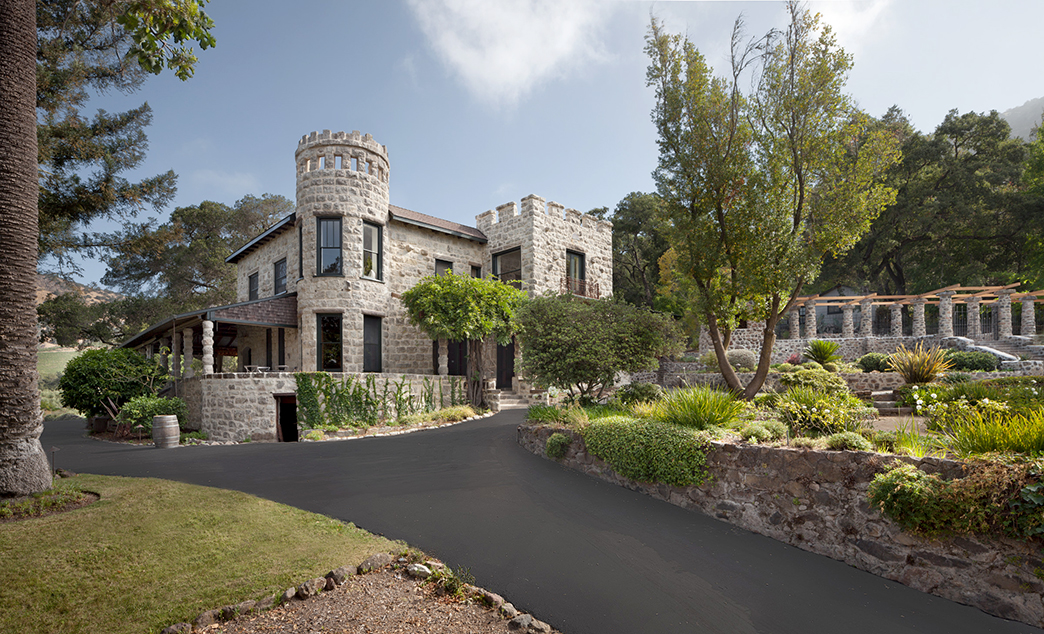
After sales and acquisitions beginning in 1996, Stags’ Leap is part of Treasury Wine Estates today. Treasury is a major international player, making wine in 12 countries and selling more than 35 million cases a year.
Cabs from the Stags Leap District can be so powerful and rich that they are one-dimensional—massive red fruits that are like the loudest extrovert at a party. Entertaining, but too intense for extended enjoyment. Like a talented bronco buster, Paubert demonstrates his skill at coaxing wines into nuances of civility while preserving spirit and harnessing power. His farewell effort is an example. It is an easy-to-enjoy pour, not something that demands pairing with massively marbled beef to appreciate.
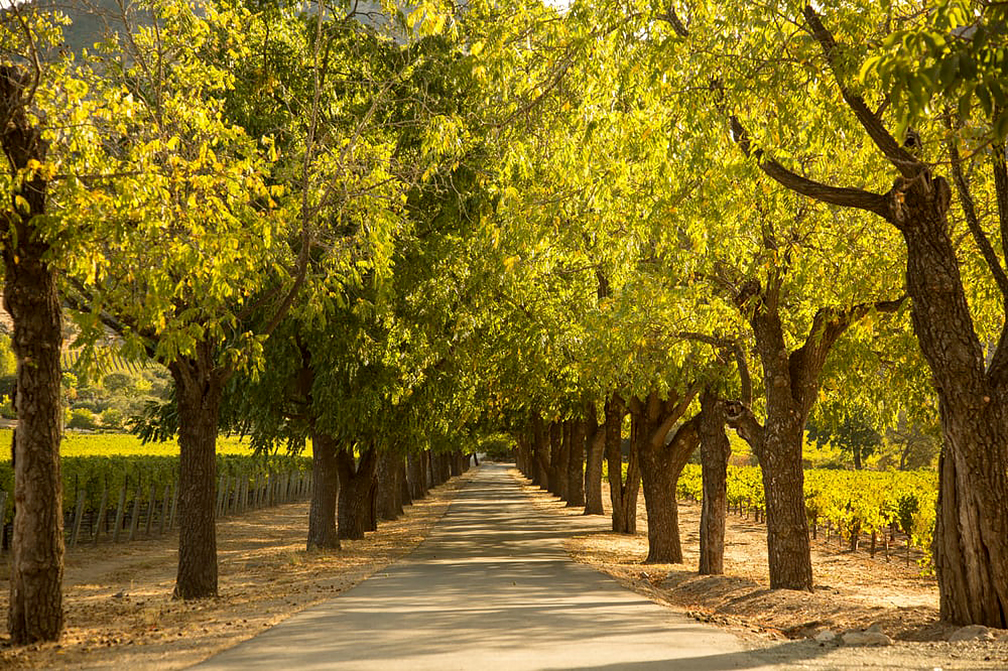
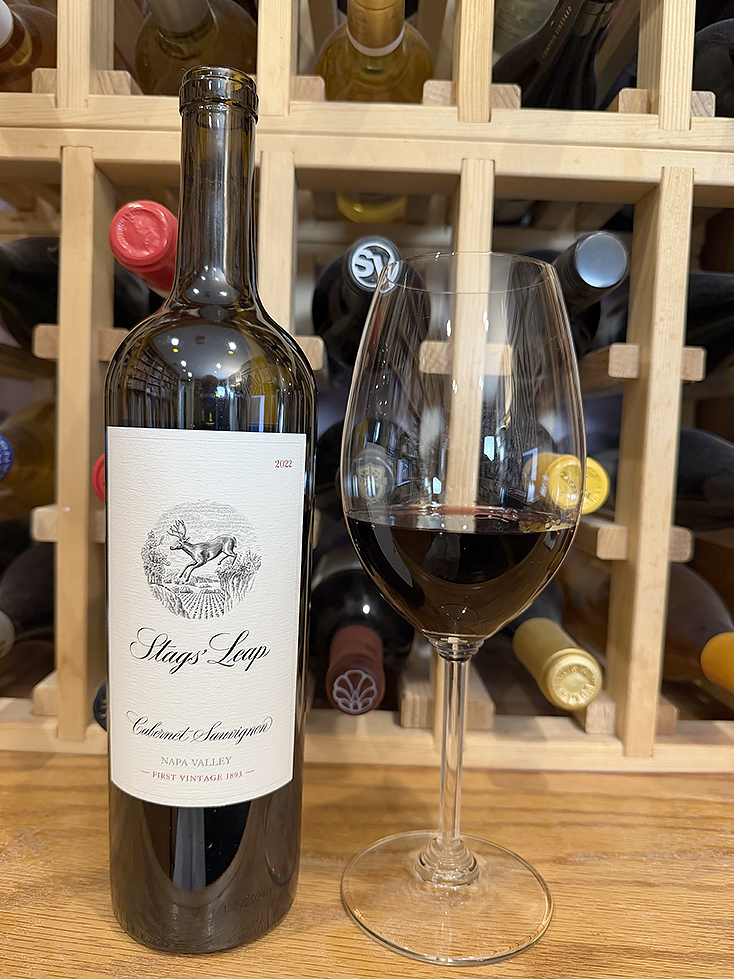
Stags’ Leap Cabernet Sauvignon, Napa Valley 2022: Deep ruby color; raspberry, black cherry, redcurrant, blackberry, blueberry, mint, sage, oak spice, tobacco, vanilla on the nose and palate. Dry; well-behaved tannins and balancing acidity. Medium-full body; smooth, accommodating mouthfeel. Fresh, restrained expression of Napa cab. Elegance instead of power. Blend of 86% Cabernet Sauvignon, 4% Petit Verdot, 4% Merlot, 3% Malbec, 2% Petite Sirah, 1% Tannat from growers in southern, cooler locations in the valley floor. Aged 19 months in 25% new French oak barrels with a mix of neutral French and American oak. 14.1% ABV
Pairing—Medium-intensity beef, filet mignon, hanger steak, bistro-style steak frites. Herb-crusted rack of lamb, lamb chops with rosemary and garlic. Pork tenderloin with berry reduction. Duck breast with cherry or plum sauce. Braised short ribs with tomatoes, richer pasta ragùs, mushroom-heavy dishes. Cheese—Aged cheddar, aged Gouda, Comté, Parmigiano-Reggiano; firm, nutty cheeses, Manchego curado; milder blue cheeses.