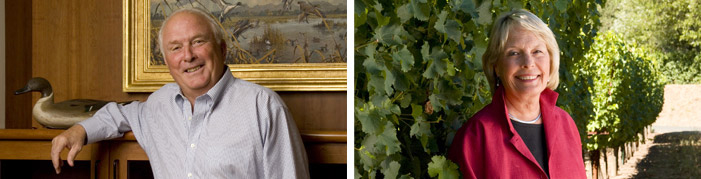
Dan and Margaret Duckhorn originally built their winery to make Merlot, and this “entry-level” bottling reassures you they still know what they are doing. Balanced, polished, flush with Merlot richness, abetted by a splash of Cabernet Sauvignon for structure. This is all it’s quacked up to be. $50-58

Forget the Merlot mauling in the movie Sideways. Miles’s ex-wife, not Merlot, is the reason Miles hates Merlot. This bottling lets you savor the milder, less tannic, more nurturing embrace of a Merlot-led, Bordeaux-style blend: Merlot, Cabernet Sauvignon, Malbec, Cabernet Franc. All of those grapes participate in this array of dark fruit delights to deliver bright, lusty, hedonistic pleasure.
The grapes came from Duckhorn estate vineyards and other Napa vineyards—thus the general Napa Valley designation. Duckhorn also produces several premium—more expensive—single-vineyard, estate Merlots.
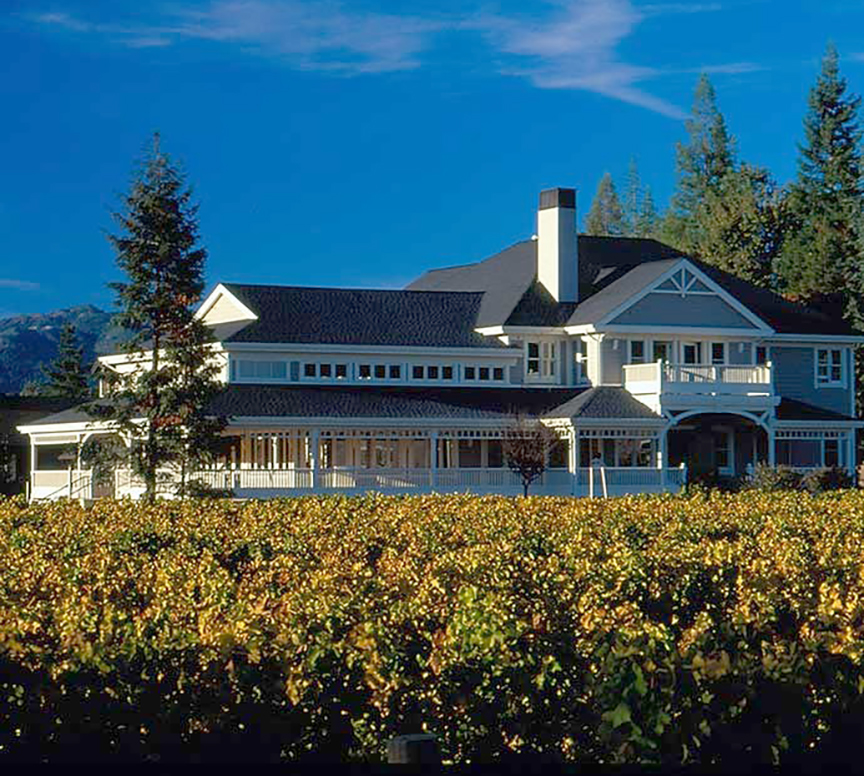
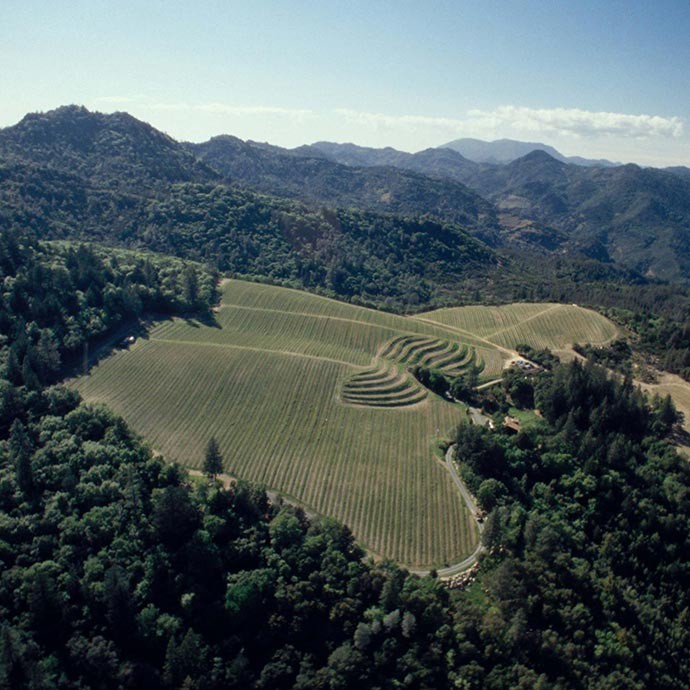
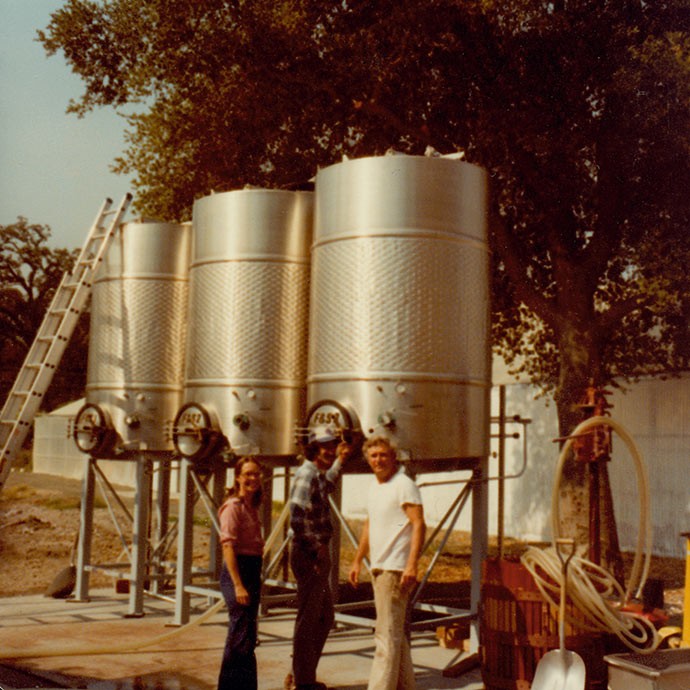
The Duckhorns founded Duckhorn Vineyards in 1976. While they first focused on Merlot, today, Duckhorn farms nine estate vineyards in the Napa Valley and grows a number of varieties.
The 21st century has seen a flock of changes at Duckhorn. Dan and Margaret divorced in 2000. In 2005, the San Francisco Chronicle named Dan and Duckhorn Wine Company the Winemaker of the Year. GI Partners, a private equity firm, purchased a controlling interest in the Duckhorn Wine Company in 2007. In 2016, TSG Consumer Partners bought the brand and its wineries for a sum reported in the range of $600 million and took the company public in 2021 as the Duckhorn Portfolio. Margaret Duckhorn passed in 2022; Dan in 2026 at age 87. The winery celebrates its 50th anniversary in 2026, a milestone reflected on the label of wines released in 2026 (regardless of their vintage dates), including this one.
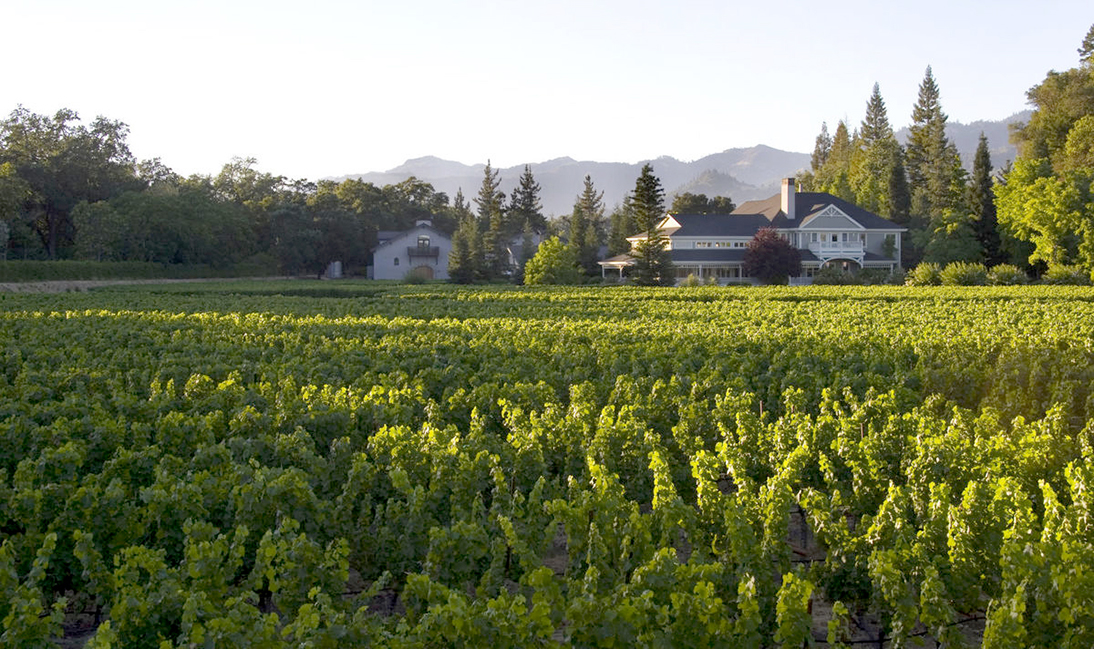
In December 2024, the year after this harvest and while this wine aged in the cellar, a private equity firm, Butterfly Equity, acquired The Duckhorn Portfolio for $1.95 billion in an all-cash transaction. The company is repositioning, winding down four brands—Canvasback, Migration, Paraduxx, and Postmark—to focus on seven brands. Duckhorn Vineyards, Decoy, Kosta Browne, and Sonoma-Cutrer are the leading labels. Others include Goldeneye, Calera, and Greenwing.

After working at Duckhorn for more than a decade, Renée Ary became the fourth winemaker in Duckhorn’s history in 2014. Renée describes her job simply: “When you work with fruit of this quality, there is no recipe or formula. My job is to let the vineyards speak and convey the soul of the wine.” Duckhorn remains a master of Merlot.
Duckhorn Vineyards Merlot, Napa Valley 2023: Deep ruby color; black cherry, redcurrant, black plum, raspberry, blackberry, chocolate, licorice, baking spices on the nose and palate.
Dry; expected plush Merlot tannins bucked up a bit with Cab. Blend of 78% Merlot, 19% Cabernet Sauvignon, 2% Malbec, 1% Cabernet Franc. Food-friendly acidity (3.66 pH; 5.4 g/L TA). The wine spent 15 months in French oak, 40% new, 60% neutral, so oak lurks in the back of the palate rather than demanding attention. 14.5% ABV.
Pairing—Slow-braised short ribs, grilled ribeye, smoked brisket; veal; roast lamb; duck breast with cherry; mushroom risotto. Cheese—Brie, Camembert, Taleggio, Reblochon; aged Gouda, Manchego, Gruyère; aged Cheddar; Gorgonzola dolce, Stilton.