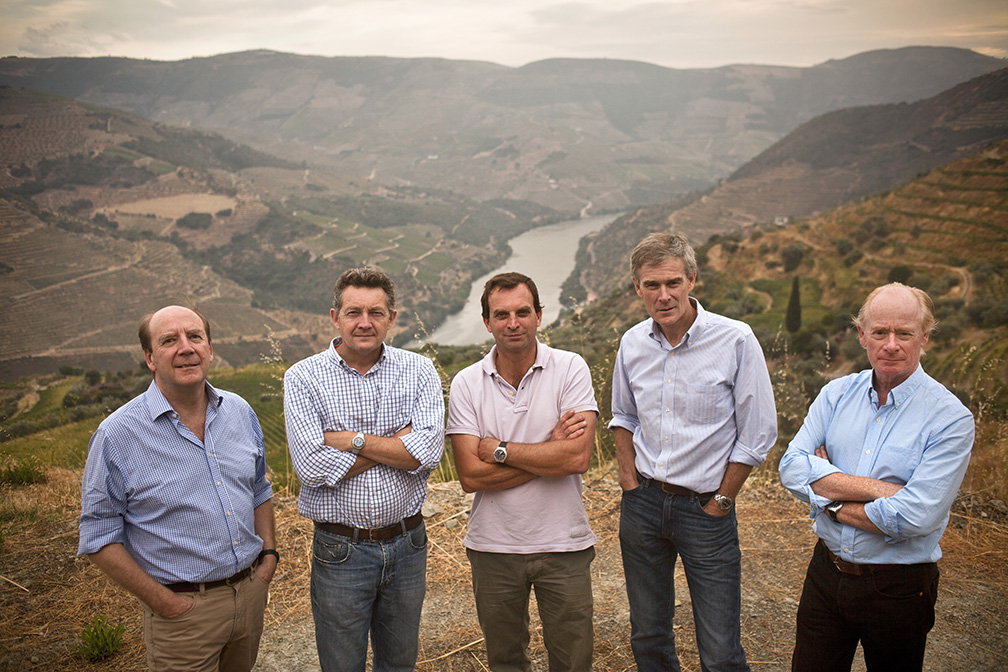
Svelte, sophisticated, red-wine blend fashioned by a partnership between top Portuguese and French winemaking families. Together, they create another example of the impressive value available in Portuguese wine beyond the country’s long domination of Porto (port wine). $28-35
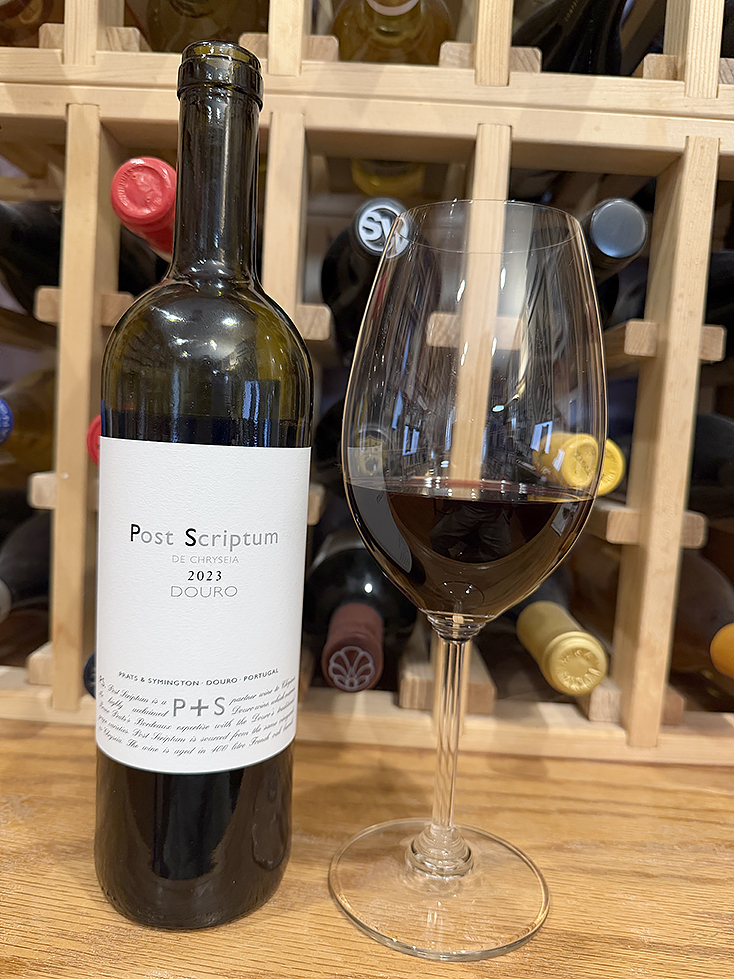
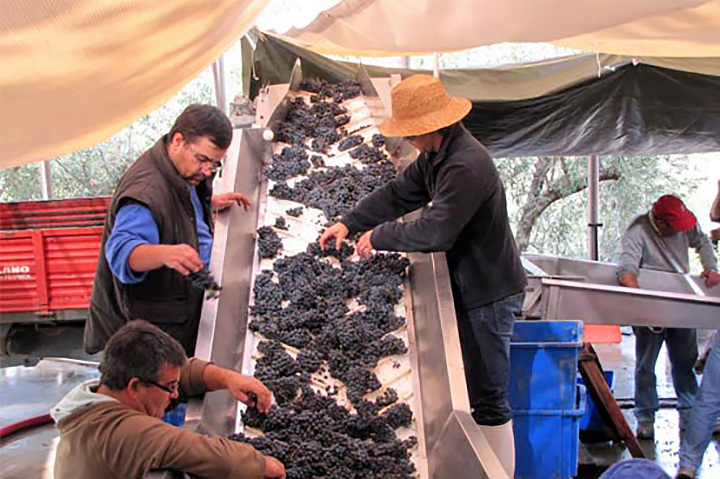
Post Scriptum de Chryseia calls upon a parade of Portuguese grapes: 50% Touriga Nacional, 25% Touriga Franca, 5% Tinta Roriz, 5% Tinta Barroca, and 15% other varieties. Notoriously low-yielding, Touriga Nacional often is regarded as Portugal’s prestige red grape and is used in quality red blends such as this, as well as in Porto. Because of its heat tolerance, Touriga Nacional also finds a limited way into vineyards in Bordeaux, California, and Texas as a response to warmer temperatures.
Touriga Franca has been called the Cabernet Franc of Portugal, which is why this example drinks very roughly like a Bordeaux blend. Touriga Franca formerly was known as Touriga Francesa. DNA testing indicates Touriga Nacional is a parent grape of Touriga Franca along with Marufo. Quality grapes apparently don’t fall far from the vine.
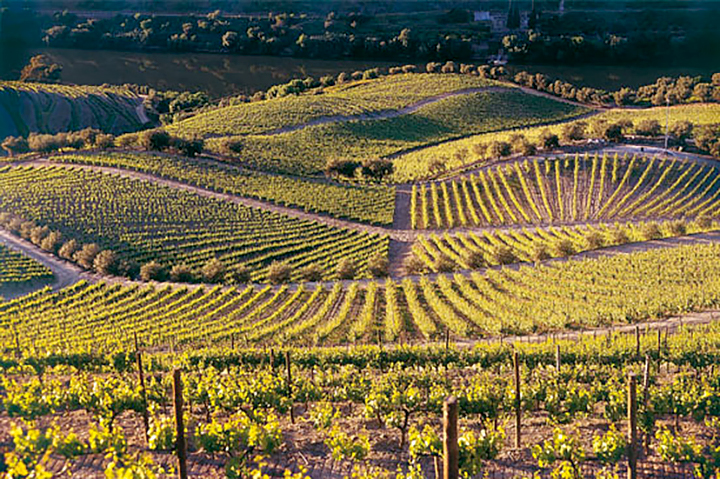
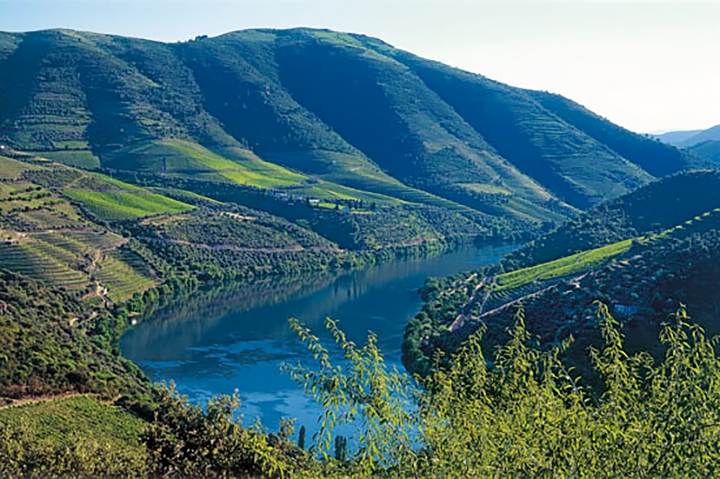
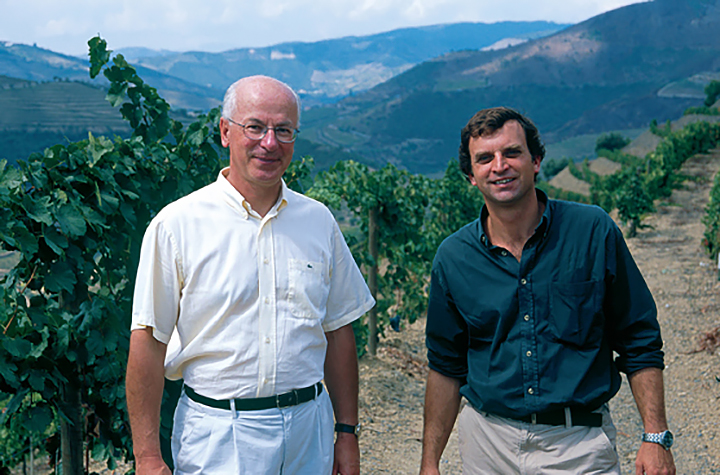
The 2023 vintage was good at Quinta de Roriz and Quinta da Perdiz, the two P+S Douro estates that supply most of the grapes for the Chryseia brand, although rain somewhat affected the last-picked grapes of the harvest. The wine aged 12 months in 400-liter (106 gallons) French oak barrels, all previously used, so the oak influence is subtle. The winemakers are Bruno Prats and Charles Symington, assisted by Pedro Correia and Miguel Bessa.
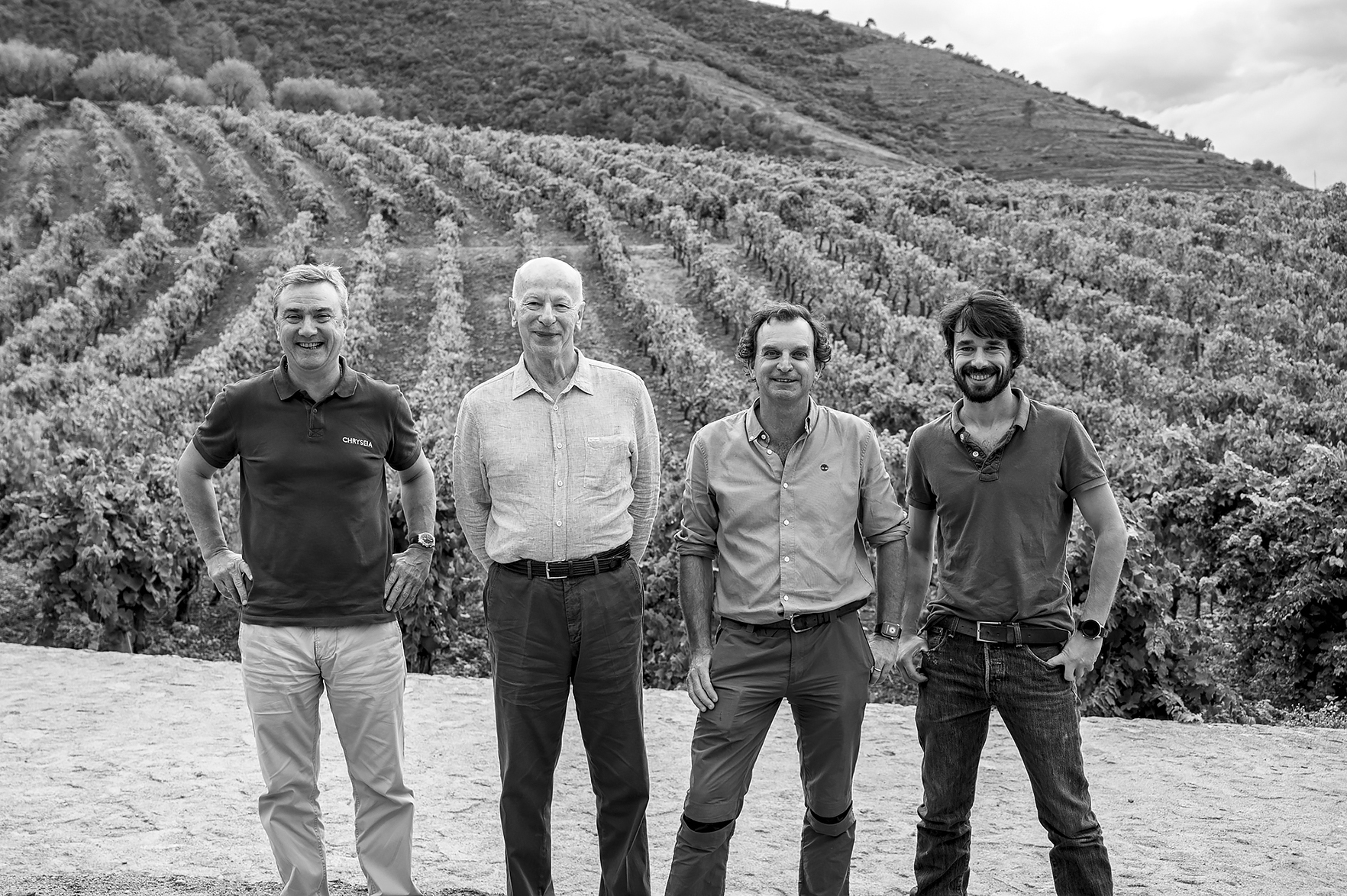
The brand is a joint venture of the Prats family of Bordeaux and the Symington family of Portugal. Post Scriptum de Chryseia is the second wine of Prats & Symington’s highly acclaimed Chryseia brand (“Chryseia” means “golden” in ancient Greek). Post Scriptum (“Post scriptum” means “written after”) is made from the second selection of wine used in the premier Chryseia bottling. The fruit comes from the same vineyards as Chryseia. Post Scriptum sells for a third to half the price of Chryseia and is designed to be enjoyed at a younger age.
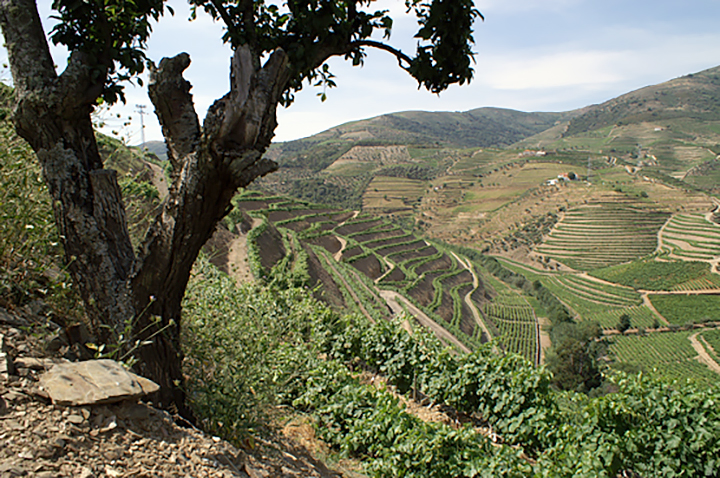
The Symington family is a major force in both Porto and the Douro—the Symingtons own the Porto houses of Dow, Graham, Warre, and others. The Prats are former owners of Château Cos d’Estournel, a Second Growth estate in Bordeaux’s Médoc peninsula, directly across the Jalle du Breuil stream from Château Lafite Rothschild. Facing inheritance tax complexities, the Prats sold their interests in 1998 and applied their funds to a partnership with the Symingtons in 1999 to make non-fortified wine. They began making Post Scriptum in 2002 to use grapes that did not achieve Chryseia’s very demanding standards. The resulting wine still was excellent. Post Scriptum has been part of the Chryseia operation ever since.
P+S Prats & Symington Post Scriptum de Chryseia, Douro, Portugal 2023: Deep ruby-purple color; black plum, blackcurrant, black olive, chocolate, lavender, rosemary, black pepper, restrained cedar and oak spice on the nose and palate. 14% ABV
Dry (<1.0 g/L RS); fine-grained tannins; crisp acidity (3.7 pH; 5.4 g/L TA). Medium-plus body; polished, supple in the mouth. Balanced, fresh, restrained expression of Douro dark fruit. Delivers concentration and depth while adroitly avoiding heaviness or becoming jammy. Clean finish provides hints of minerality and chocolate that give you ample reason to enjoy another sip. Punches significantly above its weight.
Pairing—Grilled lamb chops with rosemary and garlic; Chanfana (old goat braised or roasted in red wine and herbs), Secretos de Porco Preto (Iberian black pork); wild game (venison, duck breast, wild boar); grilled ribeye, barbecued beef and pork. Roasted cauliflower, black beans, eggplant parmesan, pasta dishes. Cheese—Aged Manchego, São Jorge, smoked/aged Gouda, Parmigiano-Reggiano, Comté, Gruyère, Pecorino Toscano, mature cheddar.