Delivers the polished, richer, even creamy side of SB, thanks to a fusion of 13% Sémillon and five months on the lees (sur lie). Duckhorn has made this wine since 1982. $28–32
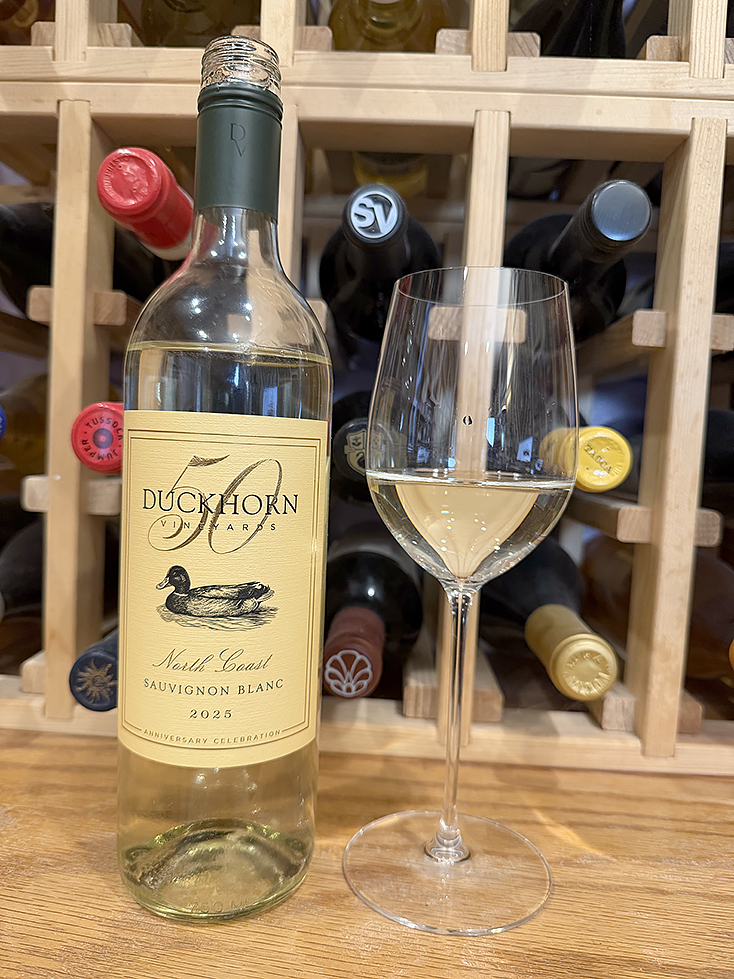
Enchanting texture and flavorsome fruit are this wine’s calling cards. The key is 13% Sémillon—a classic Sauvignon Blanc-Sémillon assemblage also found in Bordeaux Blanc. Duckhorn’s effort differs from Bordeaux Blanc, which is often barrel-fermented. This is fermented and aged in 94% stainless steel and 6% new French oak. Many Bordeaux Blancs and this Duckhorn bottling spend time on the lees. Margaret River in Western Australia and wineries in Washington State and Napa also use Sémillon as part of the blend. The Sémillon, oak, and time on the lees set it apart from the sharper style, epitomized by Sauvignon Blancs from New Zealand. This blend underscores Sauvignon Blanc’s versatility and signature ability to pair with a panoply of foods no matter the cellar decisions.
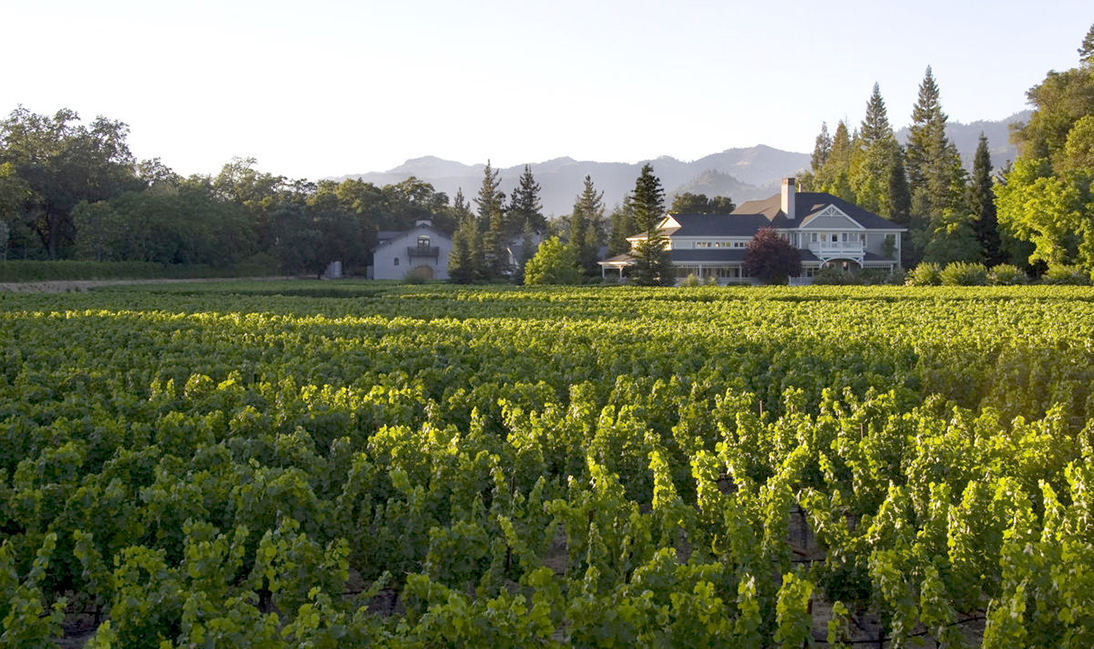
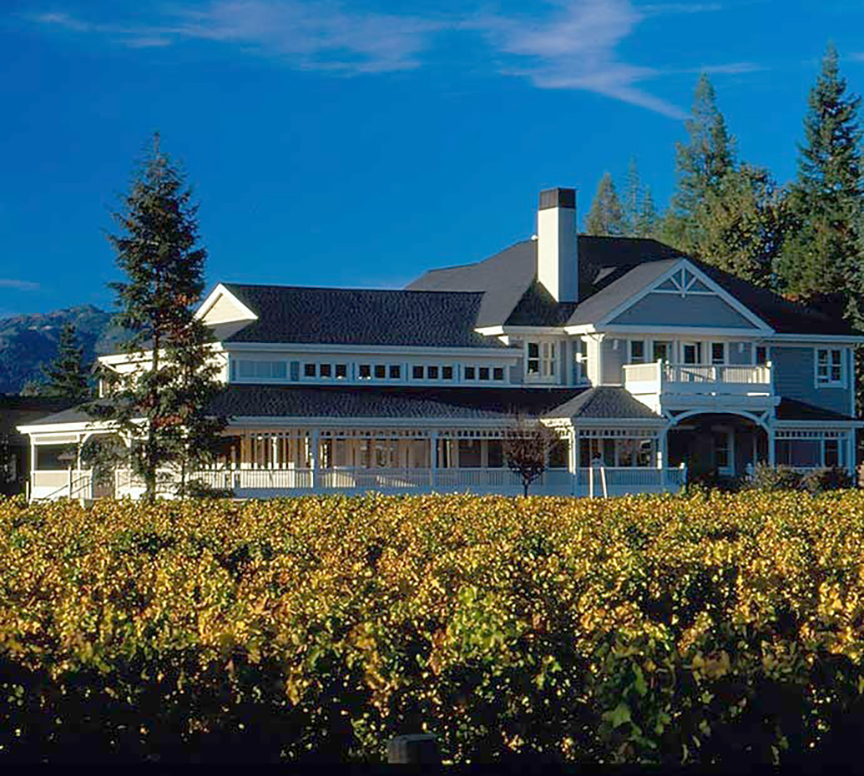
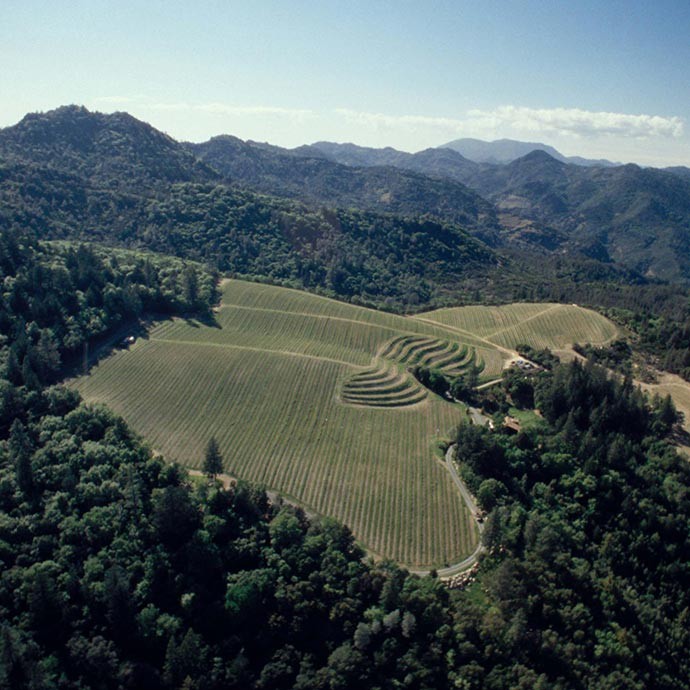
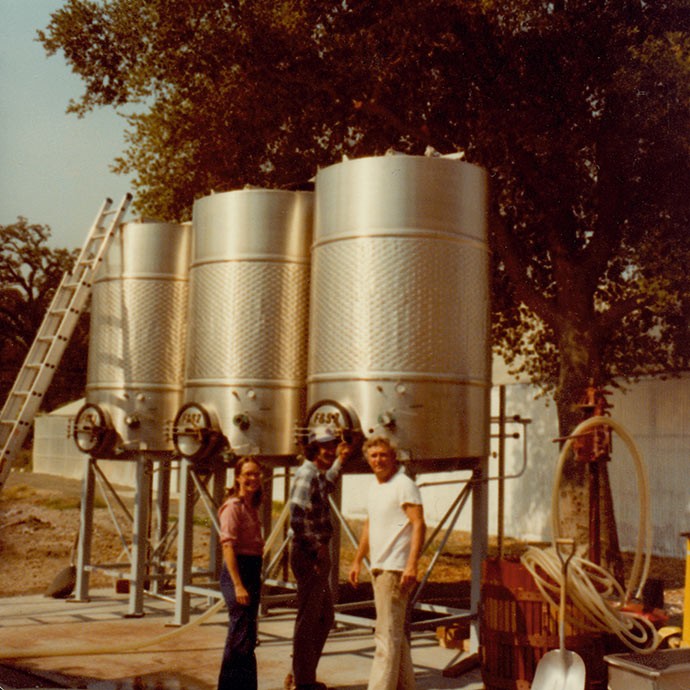
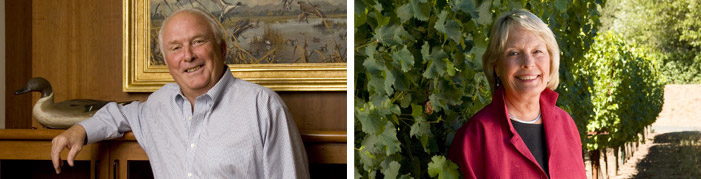
Dan and Margaret Duckhorn founded Duckhorn Vineyards in 1976. They focused on Merlot in the beginning. Today, the seven estate vineyards are located in the Napa Valley, including the slopes of Howell Mountain, and the company produces a number of varieties in addition to the original Merlot core.
Duckhorn is undergoing change. Dan and Margaret divorced in 2000. Dan was named Winemaker of the Year by the San Francisco Chronicle in 2005. GI Partners, a private equity firm, purchased a controlling interest in the Duckhorn Wine Company in 2007. In 2016, TSG Consumer Partners bought the brand and its wineries for a price in the range of $600 million and took the company public in 2021. Even amid ownership churn, Margaret Duckhorn remained passionate about the company until her passing in 2022. Dan Duckhorn died in 2026 at age 87.
In December 2024, Butterfly Equity, a private equity firm, acquired The Duckhorn Portfolio for $1.95 billion in an all-cash transaction. The company is now engaged in a repositioning, phasing out four brands—Canvasback, Migration, Paraduxx, and Postmark—to concentrate on the seven core brands. The Duckhorn Vineyards brand represents one-third of sales, followed by Decoy (21%), Sonoma-Cutrer (15%), and Kosta Browne (13%).
Duckhorn Vineyards North Coast Sauvignon Blanc 2025: Pale straw color; grapefruit, lemon meringue, pineapple, dragon fruit, beeswax, spice on the nose and palate. 14.1% ABV.
Dry; polished acidity (3.45 pH, 5.6 g/L TA)—this is not a tongue slasher. Medium body, richer and rounder than more severe SBs. Blend of 87% Sauvignon Blanc, 13% Sémillon. The Sémillon and aging on the lees for five months impart their softening influence. That is what establishes this Duckhorn pour’s identity. This is not a New Zealand acidity assault—instead, think white Bordeaux caress. Duckhorn prefers you think North Coast.
Pairing—Sole meunière; seared sea scallops with lemon-herb butter; grilled white fish; oysters/shellfish; roast chicken with tarragon cream; pan-roasted chicken breast with capers and lemon; English peas and pistachios with burrata; asparagus and spring pea risotto; pasta primavera with fresh basil. Cheese—Goat’s milk cheese is classic: aged Crottin de Chavignol, Humboldt Fog, fresh chèvre rolled in herbs; semi-firm and Alpine-style cheeses; young Gruyère, Comté; Manchego; double-crème Brie; Camembert; burrata, fresh mozzarella, Havarti. Avoid hard, aged cheddars and heavy blue cheeses.