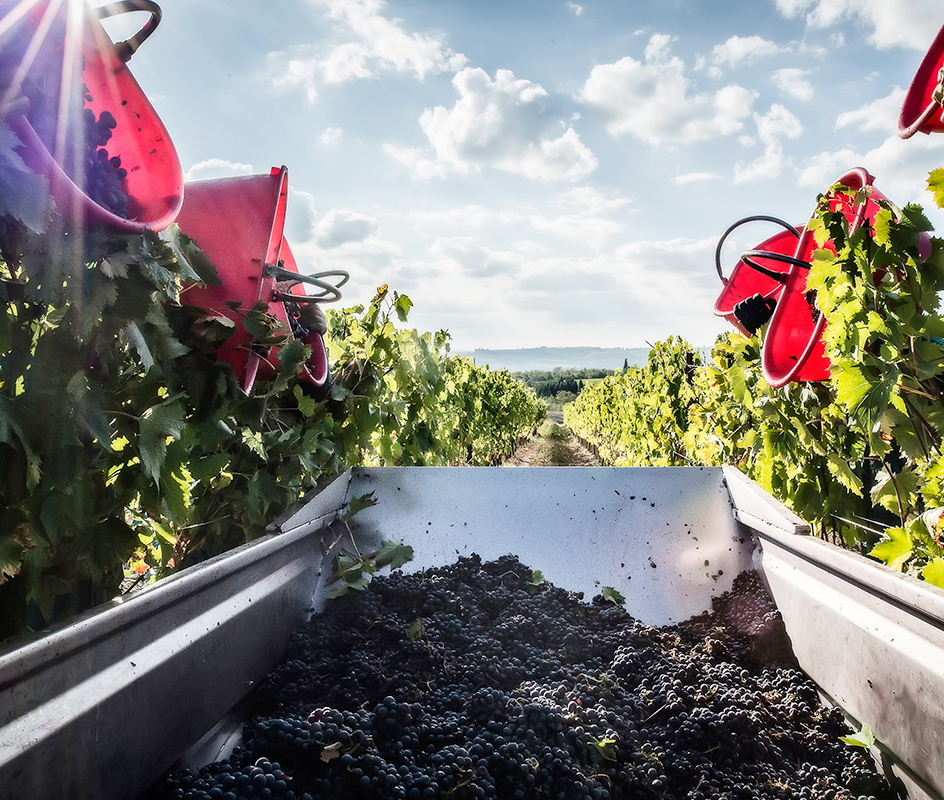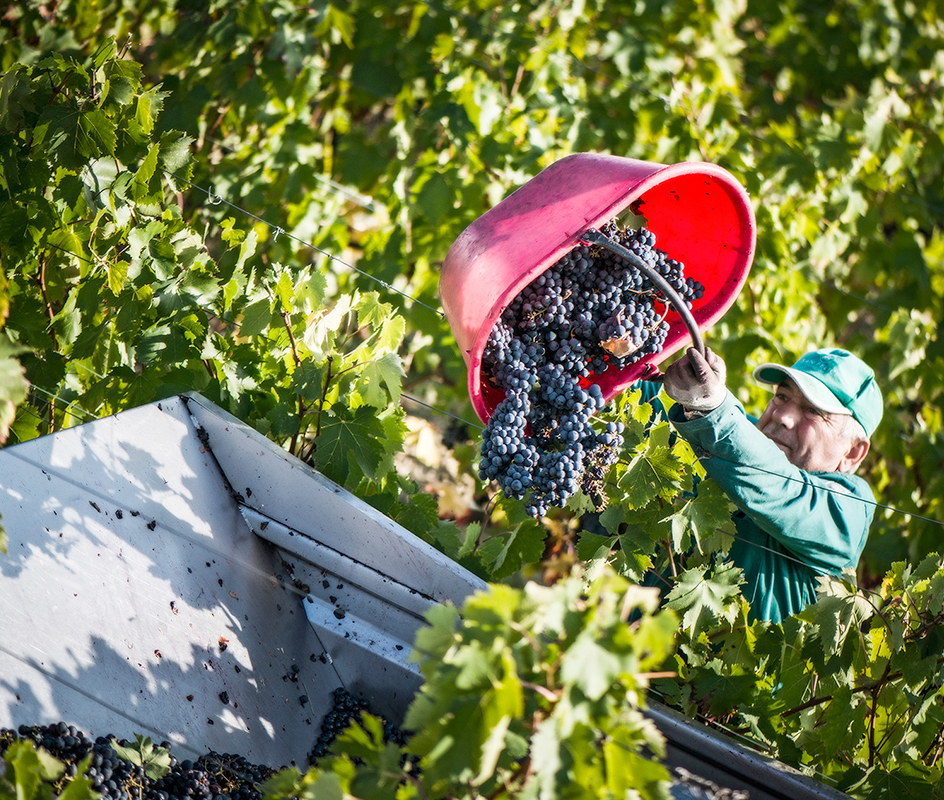
Next level of San Felice’s Chianti Classico bottlings. Clean, affable tannins, helpful accompanying acidity. Chianti made darker and more interesting with the rare, revived Pugnitello grape. Delicious, palate-pleasing pour. Worth finding. $30-35
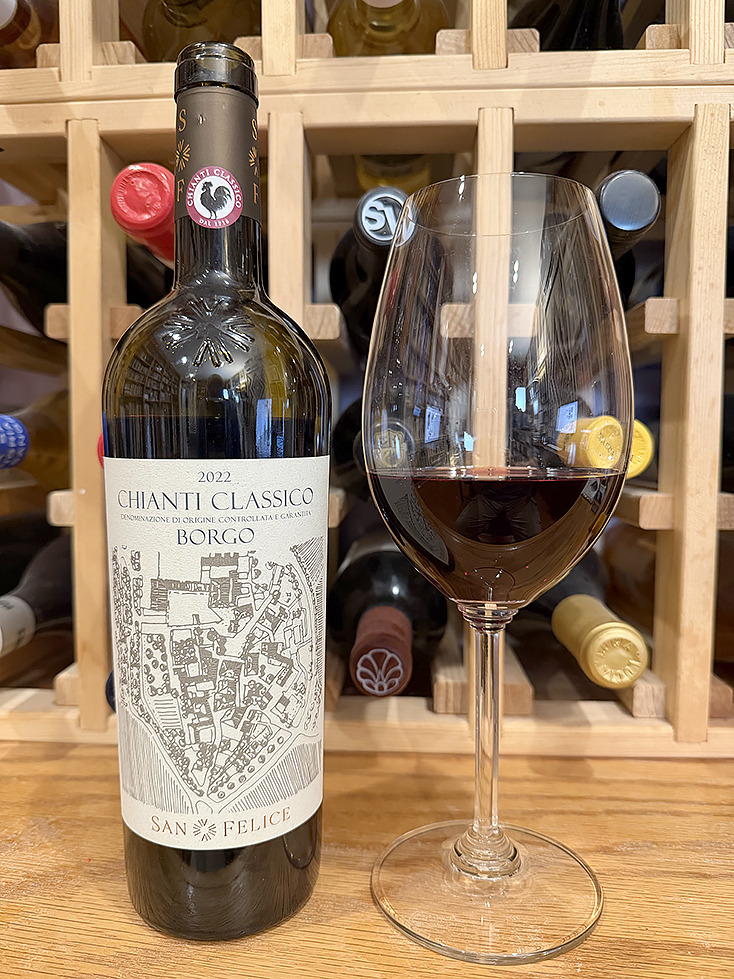
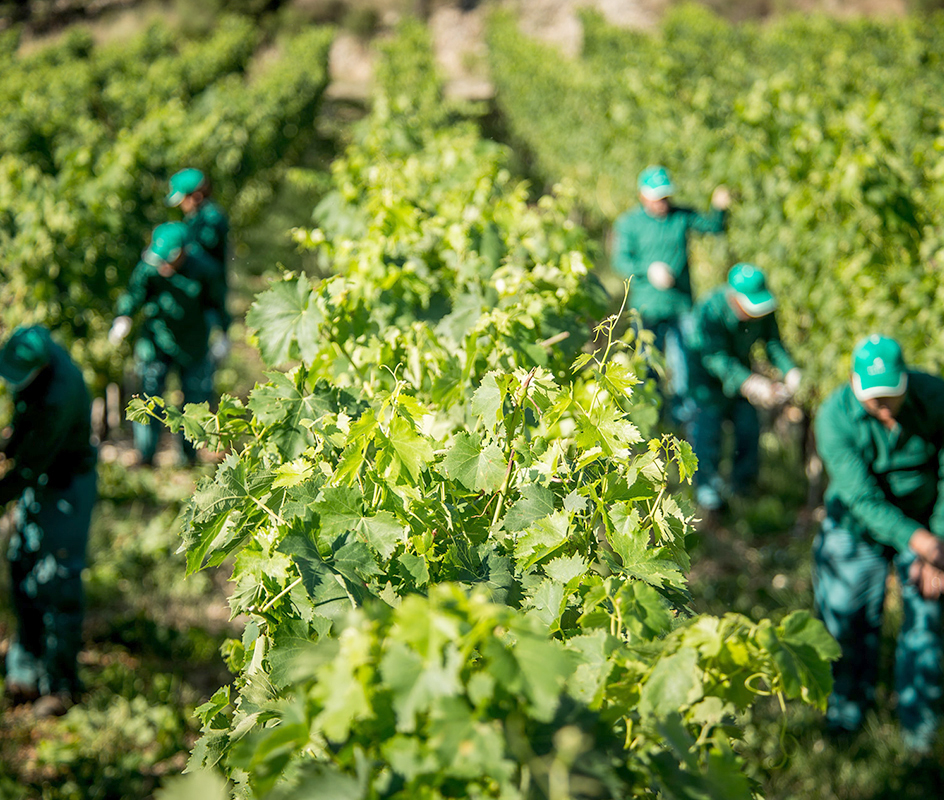
According to San Felice, the 2022 season at Borgo was relatively benign, although other Tuscan operations had different experiences—such is wine and grape farming. There were no extreme weather events in San Felice’s report on the vineyard for this wine. There was, however, a general drought in Tuscany. Fortunately, high summer temperatures and drought were mitigated by August rains, encouraging grape ripening. At the same time, some of San Felice’s properties had a rougher adventure that reduced overall yields by 30 percent. There are years wine makers just have to sit back and say: “Nature, take the wheel.”
Grapes were vinified in stainless steel, followed by a year in large Slavonian oak barrels. Barrel size and, likely, multiple uses mean there are no assertive oak elements in the wine, although its smoothness is likely from the gentle, natural oxygenation through the oak. Oak, especially multiple-use oak, does more than add vanilla, smoke, and spice.
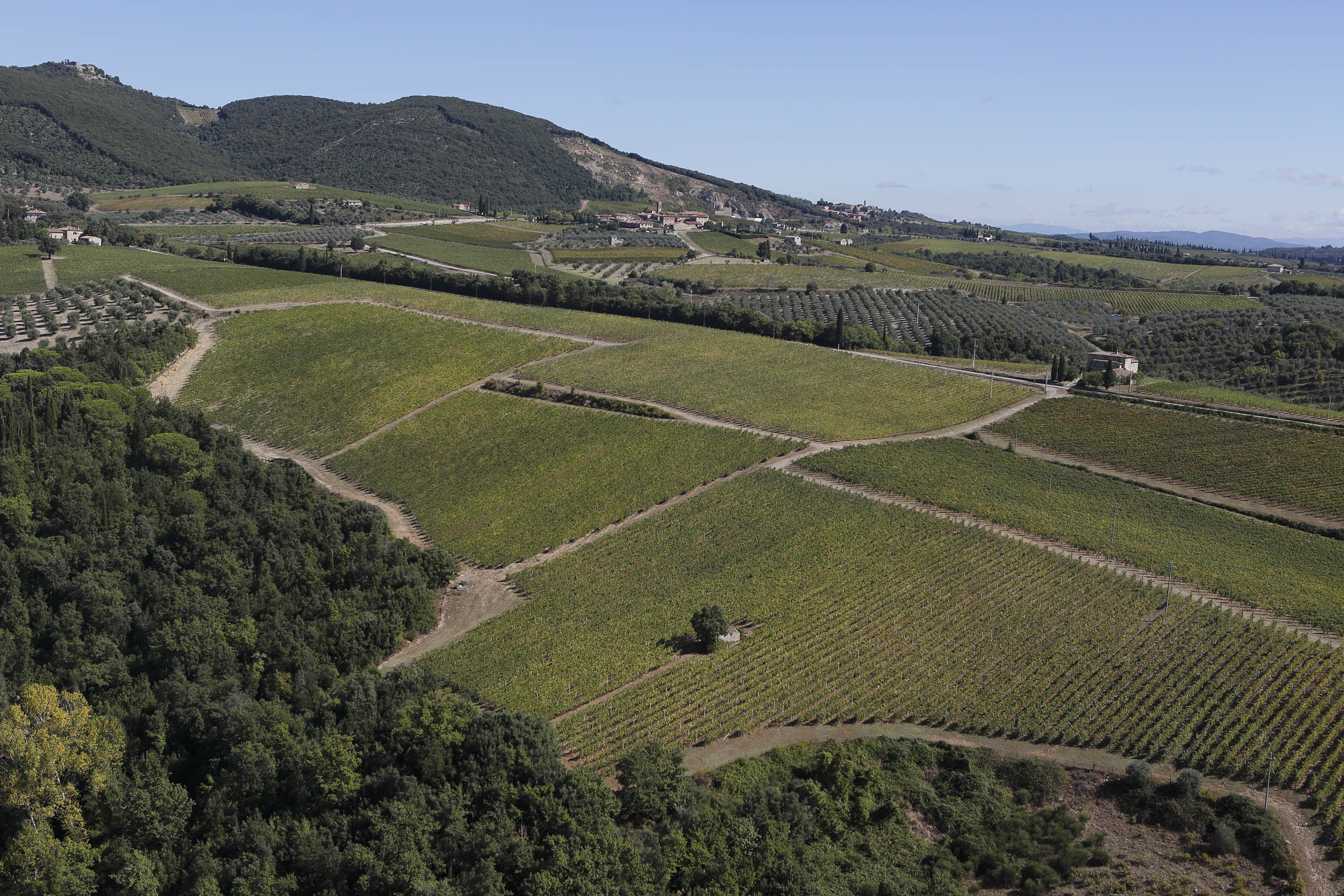
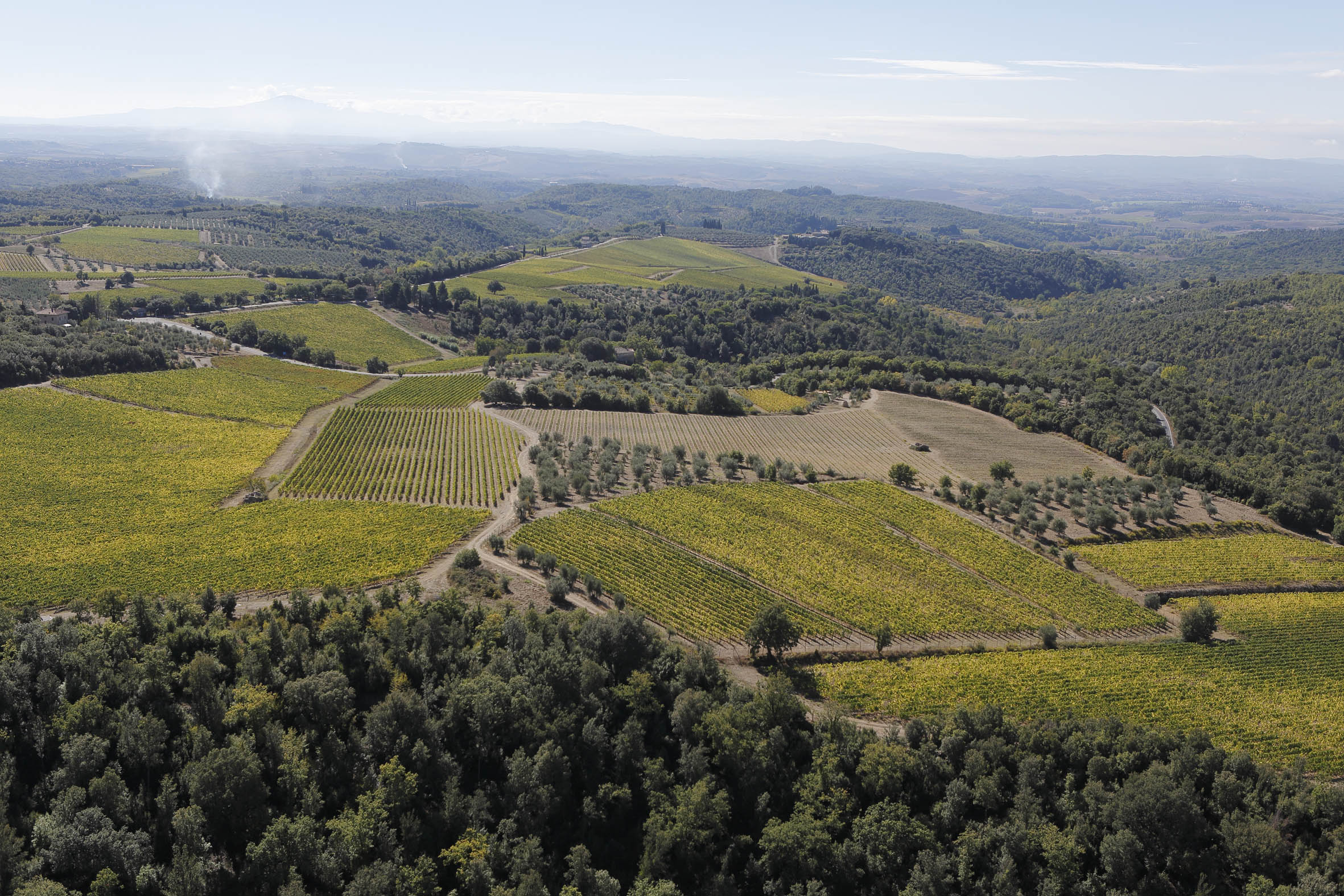
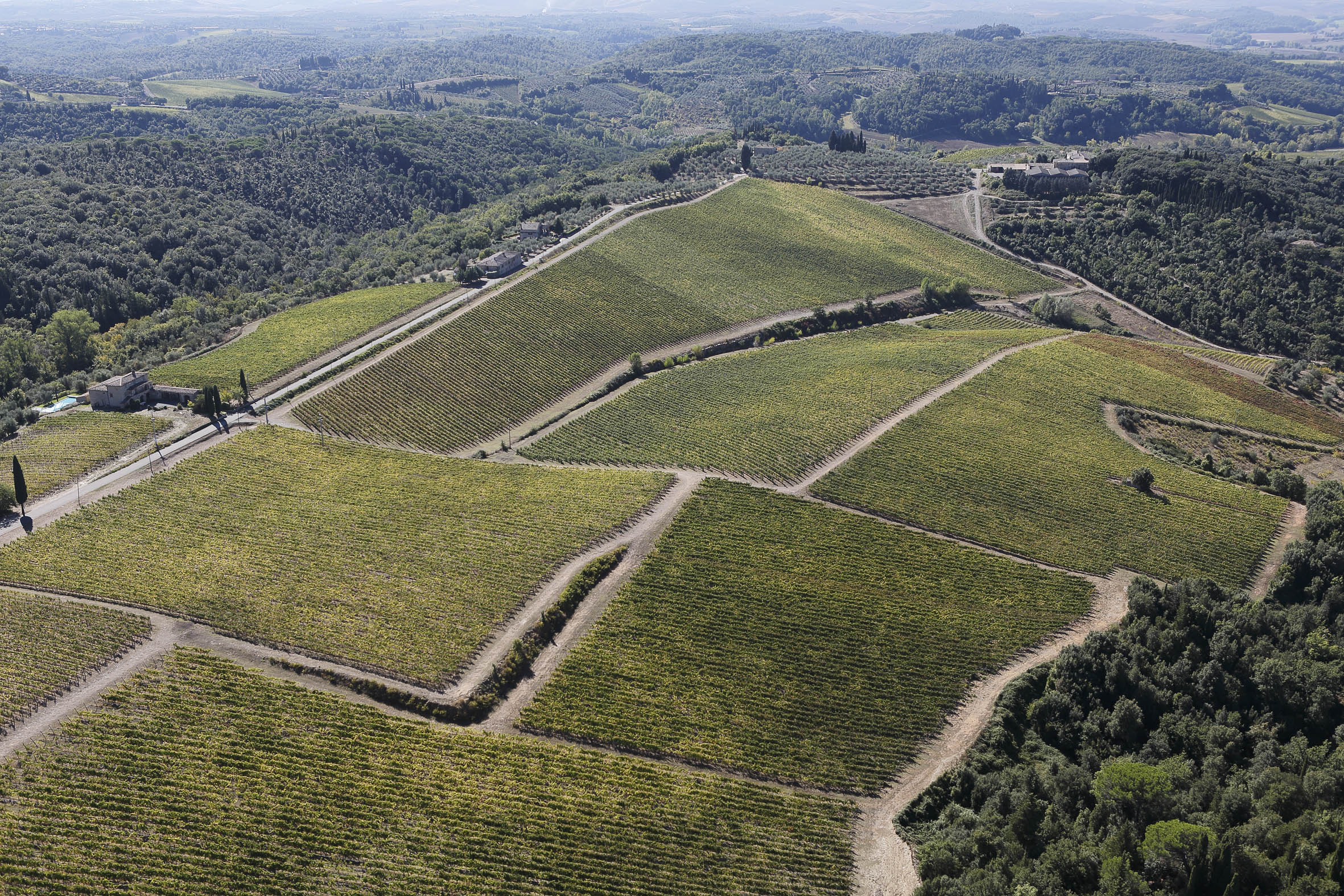
“Borgo” is one of four inaugural releases of San Felice’s Vitiarium Collection. With this effort, San Felice fashioned a very food-friendly, easy-in-the-mouth Chianti. It is made only from vineyards closest to San Felice, a hamlet an east of Siena. Sangiovese, of course, is the foundation of any Chianti, but San Felice adds 12% Pugnitello to this blend. Pugnitello (“little fist” in Italian) is an ancient Tuscan red variety. It may have been reduced to only a smattering of vines when San Felice stepped in to resurrect it. The grape delivers intense color, a savory edge, fine-grained tannins, and acidity to a Sangiovese blend. Think of it as a spice to lift and frame the Sangiovese.
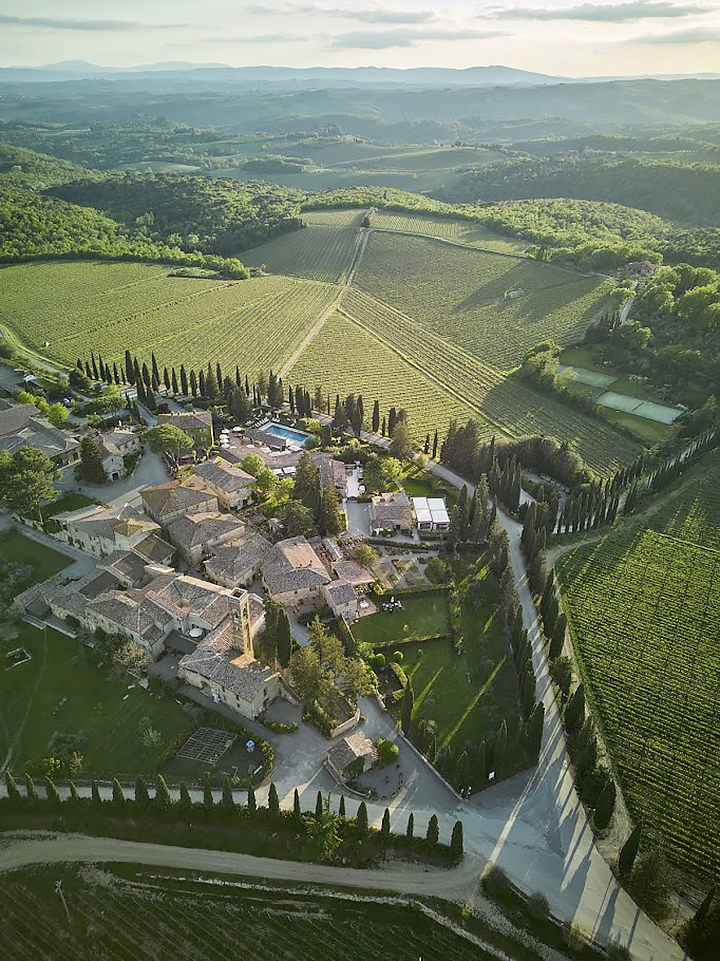
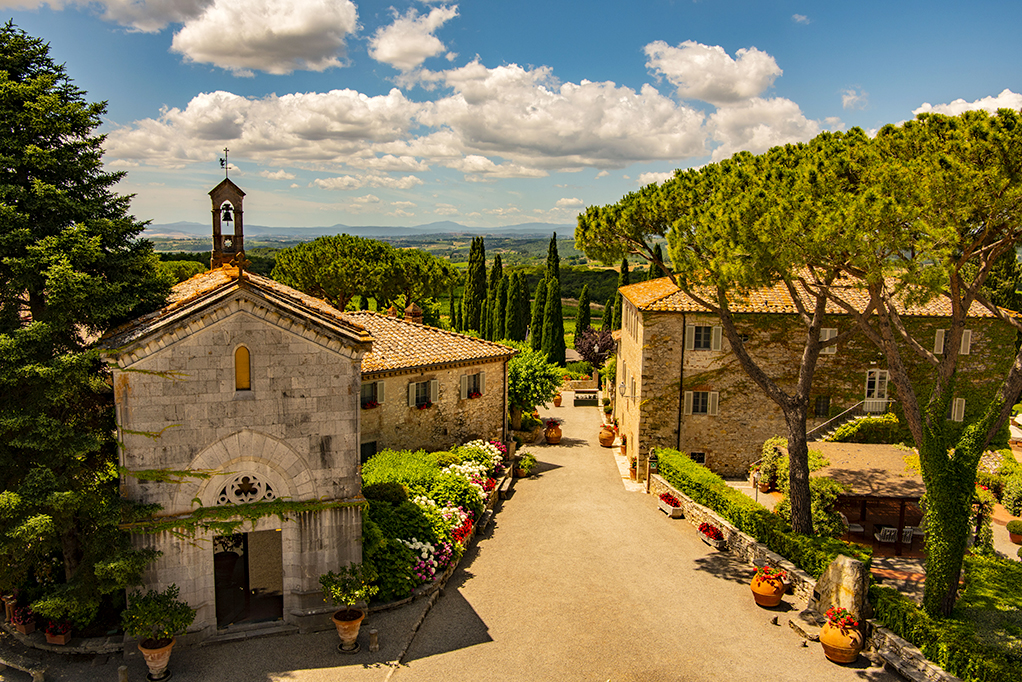
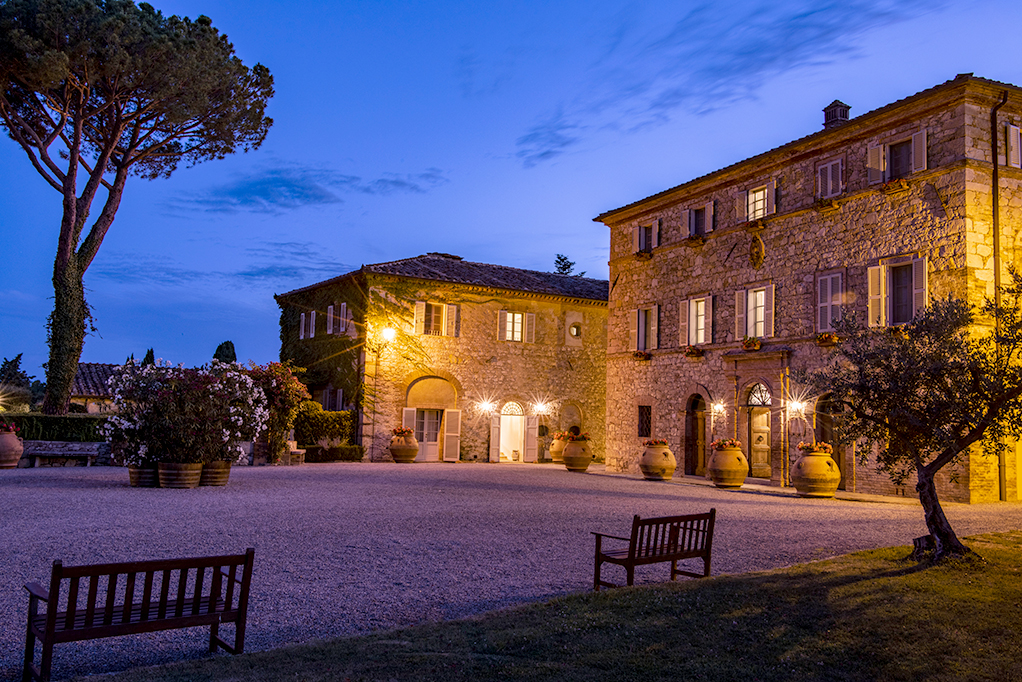
San Felice comprises three famous Tuscan estates. Production reaches more than 1.2 million bottles—more than one million of Chianti, 80,000 of Brunello, 40,000 of Rosso di Montalcino, and 55,000 of Bolgheri. There are 20 labels. All San Felice wines are made using estate-owned grapes. The San Felice winery is located in the southern part of the Chianti Classico zone. Its history dates back centuries. The estate is named for an early Christian saint and was owned by the Grisaldi del Taja family beginning in the 18th century. That family was important in the formation of the Chianti Classico consortium, a key group in the history of Italian wine.
Enzo Morganti, a visionary winemaker who spent two decades researching Sangiovese clones, joined the estate in 1967. Morganti focused on high-quality winemaking and restructuring the estate. In 1978, the Italian insurance company RAS acquired it, which in turn was acquired by the German insurance and financial services giant Allianz, which has continued improvements and expanded the operation.
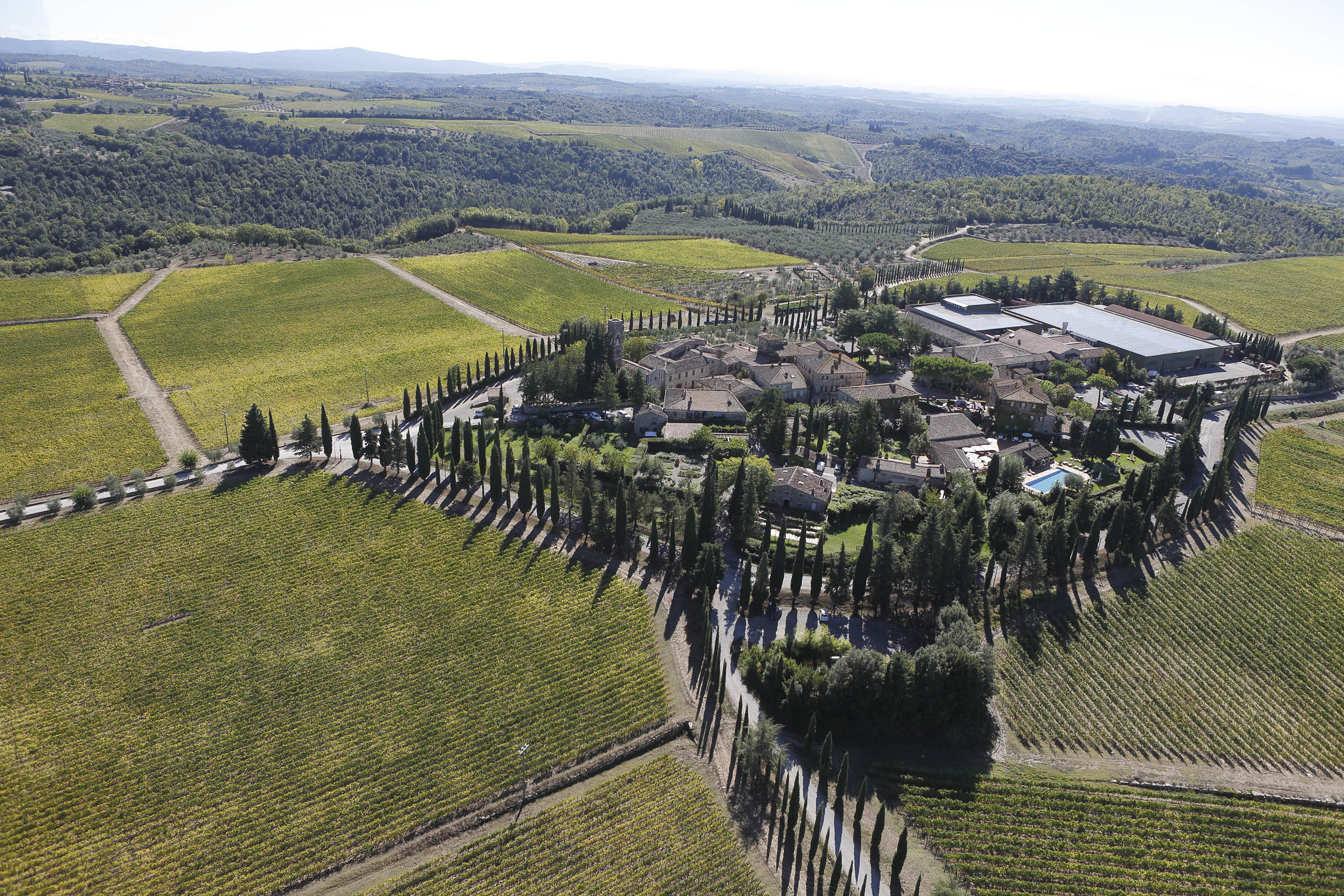
San Felice is a leader in sustainable viticulture, moving toward regenerative and organic agriculture. The winery is energy self-sufficient through solar panels and has reduced the weight of its bottles to minimize carbon emissions. Today, the estate includes a resort, some 465 acres of vineyards and a 6-acre parcel dedicated to experimental viticulture. It is a key winery in the Chianti Classico region.
San Felice Chianti Classico Borgo DOCG 2022: Deep ruby, garnet edge color; cherry, raspberry, plum, cranberry, orange peel, blue flowers on the nose and palate.
Dry (0.5 g/l RS); soft tannins, very good acidity (6.0 g/l). Medium body. The label declares a blend of 88% Sangiovese, 12% Pugnitello. This combination is a step up from basic Chianti Classico wine and worth finding. The Sangiovese is excellent, as you would expect from San Felice, but the Pugnitello adds an enchanting nuance. I am a believer that, in most cases, a blended wine is more amenable and approachable than a pure varietal, and this makes that case for Chianti in my book. 13.5% ABV
Pairing—Tomato-based pasta, spaghetti with meatballs, lasagna, penne arrabbiata. Grilled, roasted red meat; lamb chops with rosemary and garlic. Grilled Italian sausage with peppers and onions, pork ribs, porchetta. Meat lovers’ pizza, sausage pizza. Mushroom risotto. Avoid delicate fish, cream-heavy sauces, anything aggressively sweet. Cheese—Medium-aged Pecorino Toscano; Parmigiano-Reggiano (aged 24-36 months); aged Asiago, Grana Padano; Fontina, young Toma. Avoid assertive blue cheeses and washed-rind stinky cheeses.