Delicious, affordable 20-year-old with freshness and acidity as its defining traits. It is bright and lively for a 20-year-old tawny. It has a velvet mouthfeel—10-year-old Porto often is satin—which gives it the identity of older Porto, while its freshness, acidity, and aromatic lift suggest the nuances of younger efforts. That juxtaposition gives this real value. $50-65

Many argue—and I am one of them—that 20-year-old Tawny Porto is the sweet spot (ahem) in the realm of easily available, generally affordable Porto. There are four principal players in the wide-distribution Porto portfolio: Sandeman 20 Year Old Tawny Porto, Ferreira Dona Antónia 20 Year Old Tawny Porto, W. & J. Graham’s 20 Year Old Tawny Porto, and Taylor Fladgate 20 Year Old Tawny Port. You cannot go wrong opening any of them. In fact, really indulge your ambient hedonism by tasting all four. You will encounter nuanced differences rather than sharp divisions. All four beckon you to decadent pleasures, especially in the fall and winter when woodsy elements and the warming caress of 20% ABV are welcome companions to your good life being well lived.
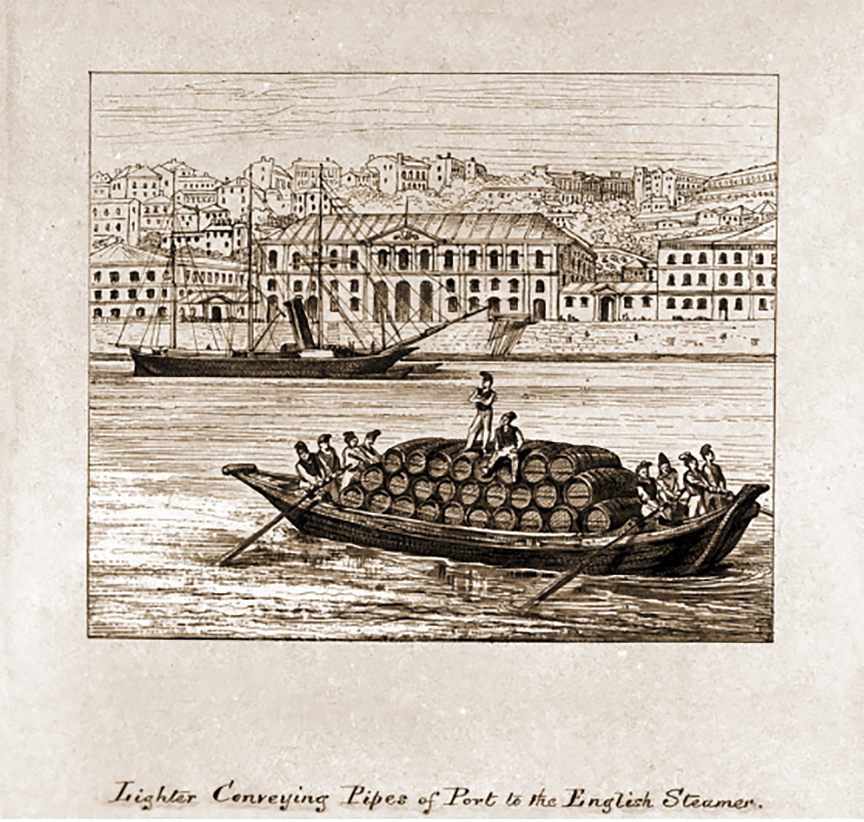
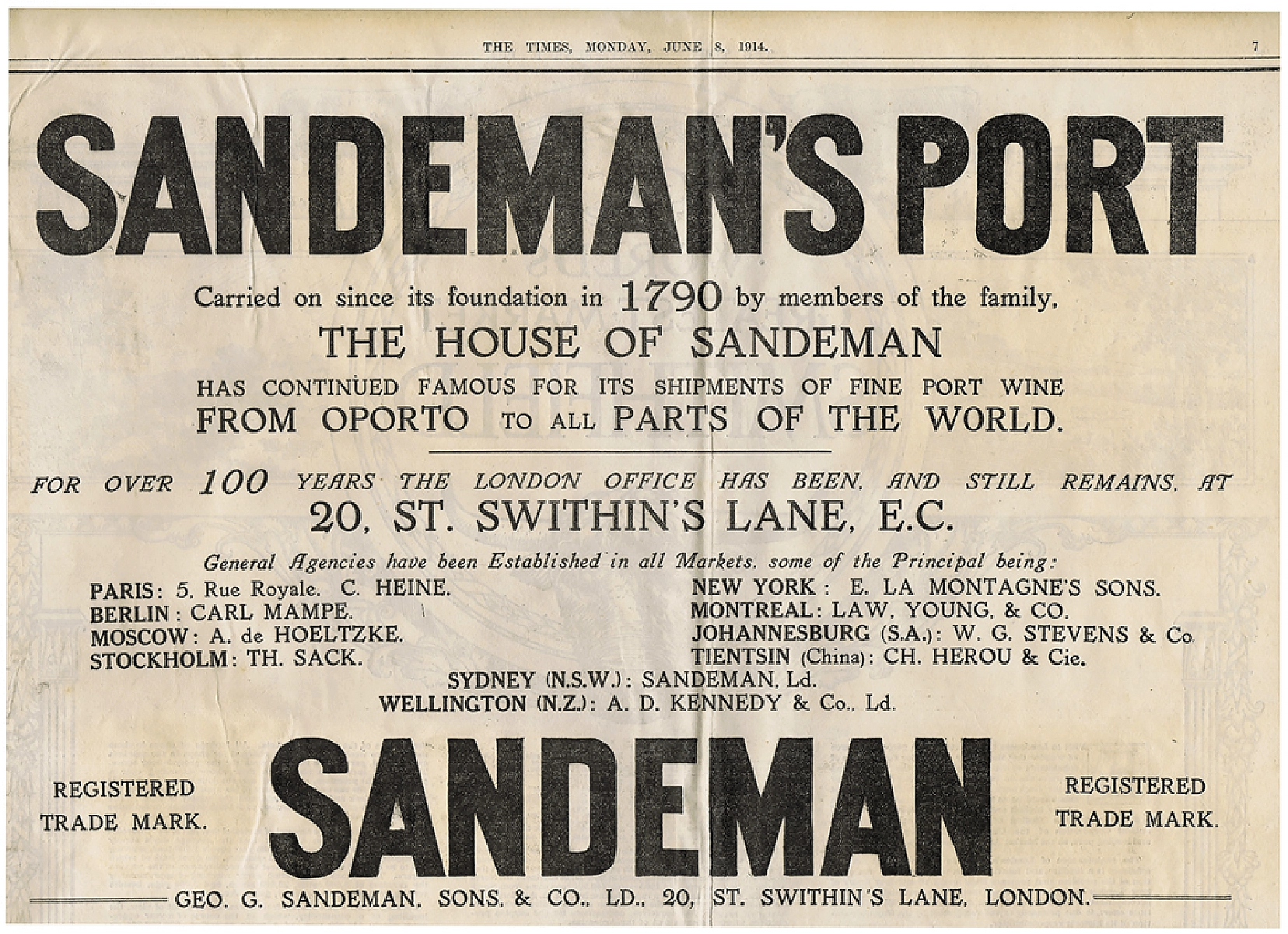
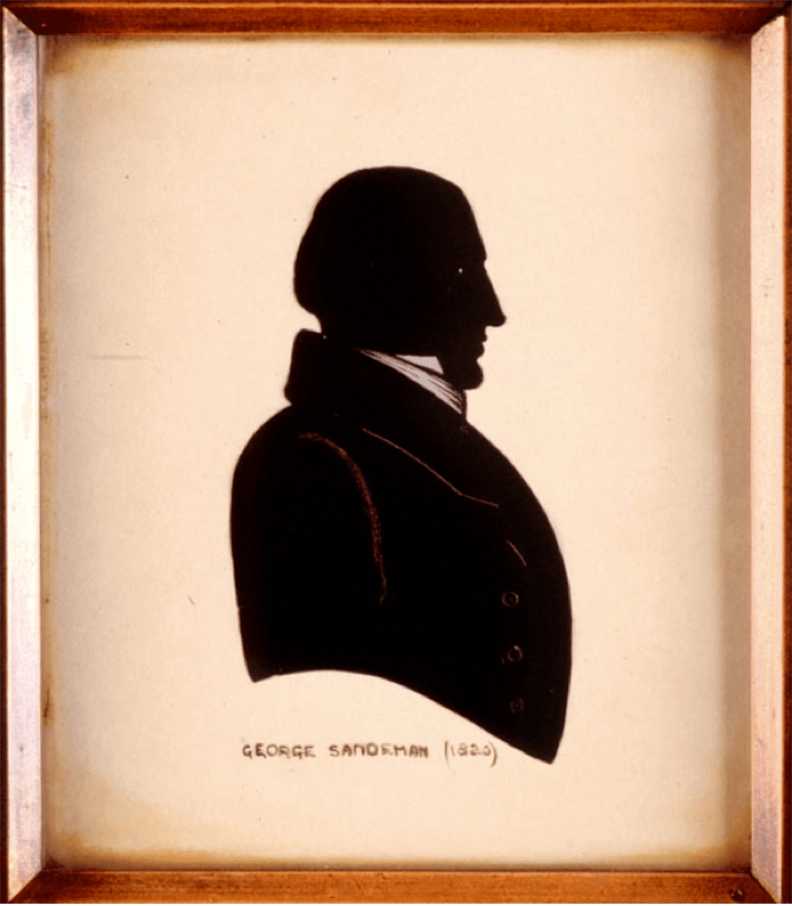
Sandeman and Ferreira Dona Antónia are made by the same Portuguese company, Sogrape. Symington Family Estates, makers of W. & J. Graham’s, and the Fladgate Partnership are the other dominant aged Porto makers. Sandeman was established in London in 1790 by George Sandeman, a 25-year-old Scottish son of a successful cabinetmaker with a £300 loan from his father. Early on, Sandeman focused on importing Porto and Sherry. In 1805, Sandeman began literally “branding” his wines using a hot iron to burn the initials “GSC”—George Sandeman & Co.—on his barrels. In 1811, Sandeman purchased lodges in Vila Nova de Gaia to develop and store his wines before shipment.
Sandeman successfully navigated through the troubles of the early 19th century and Portugal’s Liberal Wars, including a year-long siege of Porto, the port city across the Douro River from Vila Nova de Gaia. By 1835, the company was selling wine around the world, accounting for perhaps 12% of all Porto wine shipped from Portugal. In the 1850s, they developed and expanded the Tawny Porto market.
Sandeman’s iconic image “The Don” appeared in 1928. The website notes: “A symbol of Sandeman’s Iberian identity, the image entered the brand’s national advertising in 1930 and is part of the labels since 1934. It soon inspired ‘Don’ figure decanters (the first were made by Royal Doulton in 1931) and before long shined in a new sign switched on in Piccadilly, in 1938. After appearing on the ‘Dry Don Port’ labels, in 1935, it started to be called ‘The Don.’ Possibly the first true wine logo, ‘The Don’ is an essential part of Sandeman identity and one of the most iconic trademark images in the drinks business worldwide.”
In 2002, Sandeman joined Sogrape. Sogrape started in 1942 when Fernando van Zeller Guedes and 15 friends founded “Sociedade Comercial dos Vinhos de Mesa de Portugal.” They achieved international success with Mateus, a medium-sweet, slightly sparkling (frizzante) rosé launched in 1942. Known by its flask-shaped bottle, by the late 1970s and early 1980s, Mateus accounted for 40% of Portugal’s total export of table wine, selling around 3.25 million cases a year. The wine has evolved slightly and added variations, but Mateus remains a huge international seller for Sogrape. Today, Sogrape owns properties in Spain, Argentina, Chile, and New Zealand in addition to its Portuguese holdings.
Sandeman 20 Year Old Tawny Porto: Medium tawny, pale amber color; dried apricot, dried fruit, caramel, orange marmalade, honey, butterscotch, roasted nuts, vanilla on the nose and palate.
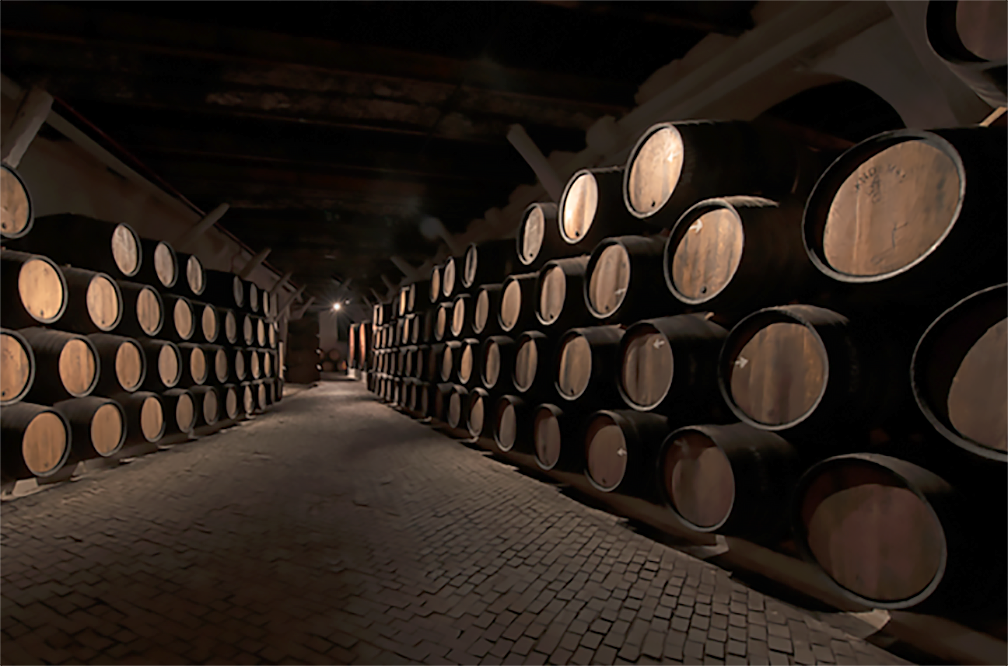
Sweet (115 g/L RS); good sweet-balancing acidity (5 g/L TA, 3.55 pH). Typical Porto blend of Touriga Franca, Tinta Roriz, Tinta Amarela, Tinta Barroca, and Tinto Cão. Twenty-year-old Tawny Porto is as much a style as a measure of barrel age; this is a blend of wines between 15 and 40 years stored in oak casks. According to winemaker Luís Sottomayor, wines stay in the Douro after harvest and move to Vila Nova de Gaia and its lodges the following spring for cask aging.
Pairing—Porto can stand by itself as a dessert. It also pairs with foie gras, strong cheese quiche, fruitcake; crème brûlée, dried fruits, fresh peach. Cheese—Stilton and other blue cheeses are classic (although avoid intense saltiness and moldiness with Tawny Porto); aged Gouda, Mimolette, Manchego, Comté, Portuguese Serra da Estrela or Azeitão. Milk chocolate, moderately bitter chocolate.
Sogrape Vinhos website, excellent time-line history