Superb expression of Oregon fruit made in a white Burgundian style with emphasis on purity and depth. It is not Chardonnay slathered with oak and butter. Instead, the palate progression is an inviting parade of complexity, reflecting time spent on the lees. $45-50
Bill Stoller (1951-2025) founded and led The Stoller Wine Group, and served as vice-chairman and CEO of several successful employment-service companies. He began Stoller Family Estate in 1993 on what had been a turkey farm run by his father and his uncle. At the same time, Stoller also took partial ownership in Oregon’s Chehalem Winery (eventually gaining full control). The turkey farm was one of Oregon’s largest, with nearly 700,000 free-range turkeys at its peak. After closing the turkey operation, Bill Stoller planted grapes in 1995 and made the first vintage of Stoller wines in 2001. Stoller’s early vintages were made in the Chehalem winery.
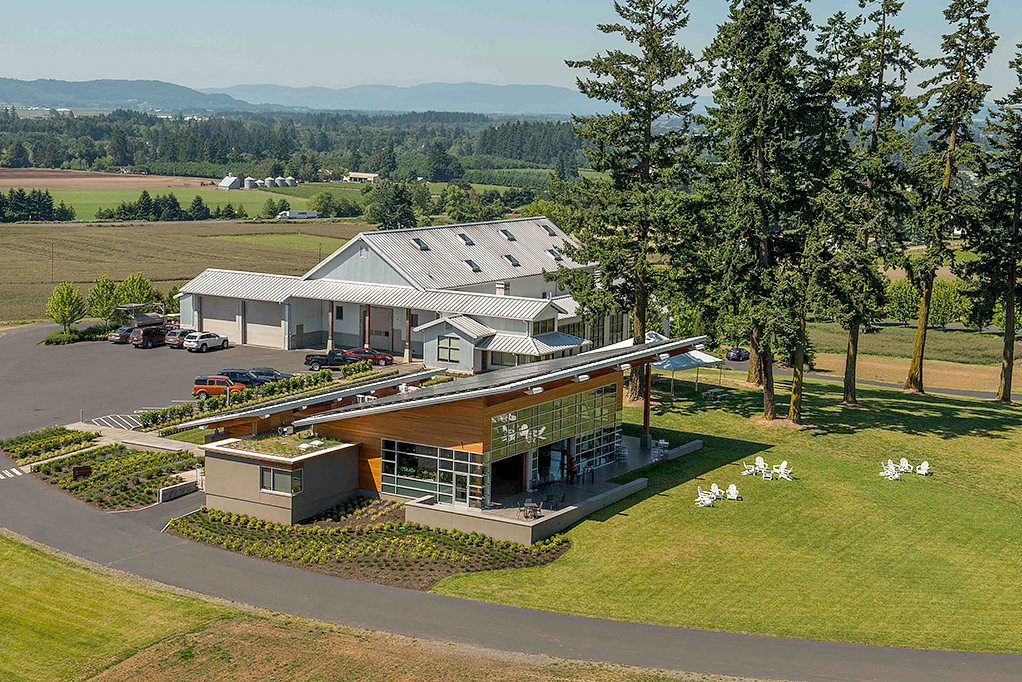
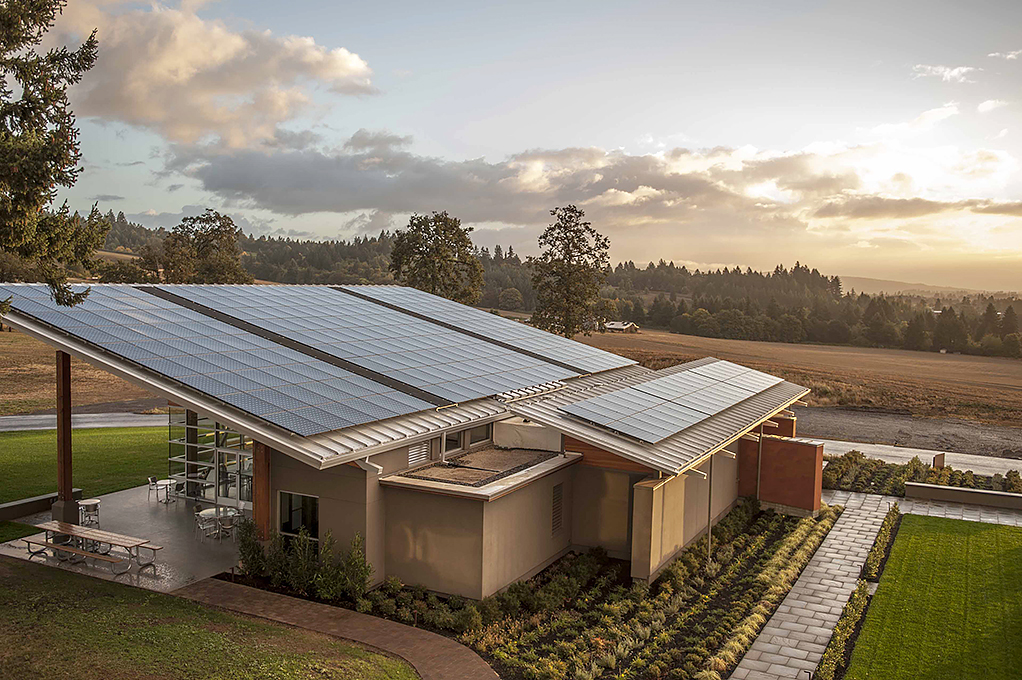
Stoller opened its own winemaking facility in 2006 as one of Oregon’s first gravity-flow operations with solar power. Its commitment to sustainability earned it recognition as the world’s first LEED Gold-certified winery. Stoller brands now include Stoller Family Estate, Chehalem, Chemistry, Elouan, Stoller Swing, Canned Oregon, and History.
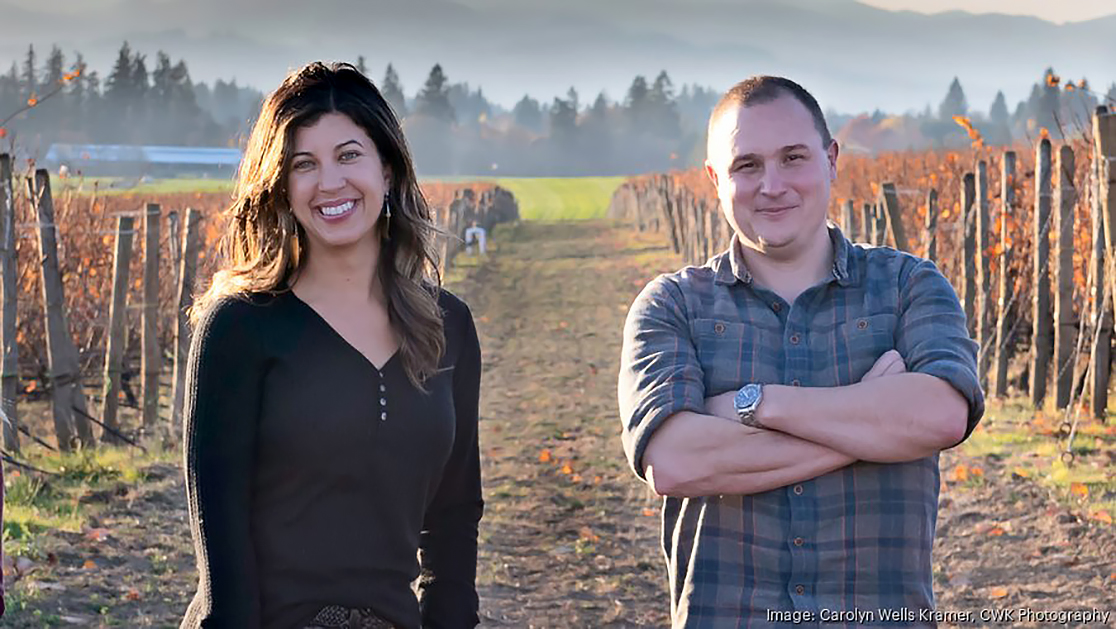
The 2024 vintage was a time of transition at Stoller. Melissa Burr joined Stoller in 2003 and was head winemaker, then VP of winemaking (2018-2023). She became “Founding Winemaker” and public face of the company in 2024. She is responsible for trade and consumer relations and house-style stewardship. Ben Howe, who joined Stoller in 2015, became VP of winemaking and took over day-to-day production with this vintage. Stoller basically doubled its annual production to 300,000 cases in 2025 when it acquired Elouan from Joe Wagner’s Copper Cane Wines.
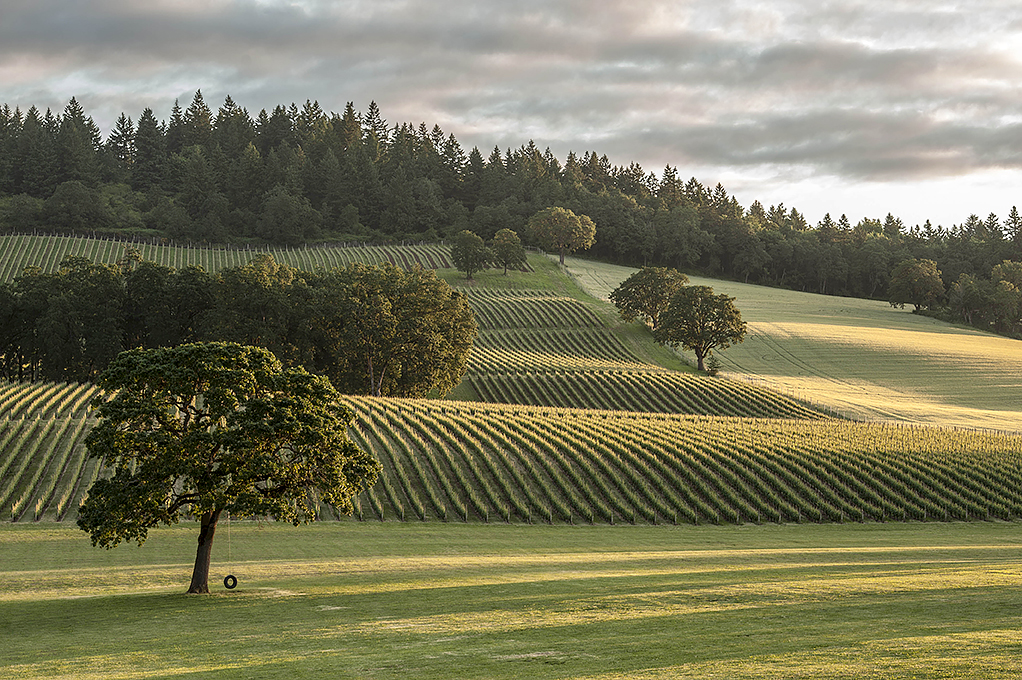
The Dundee Hills are located southwest of Portland, west and northwest of the Willamette River. Stoller has the largest contiguous vineyard in the Dundee Hills, and the fruit for their Stoller Family Estate wines are 100% estate-grown. Lovely country, ecologically responsible winemaking, Stoller is a dependable, easy choice for quality across their range of bottlings.
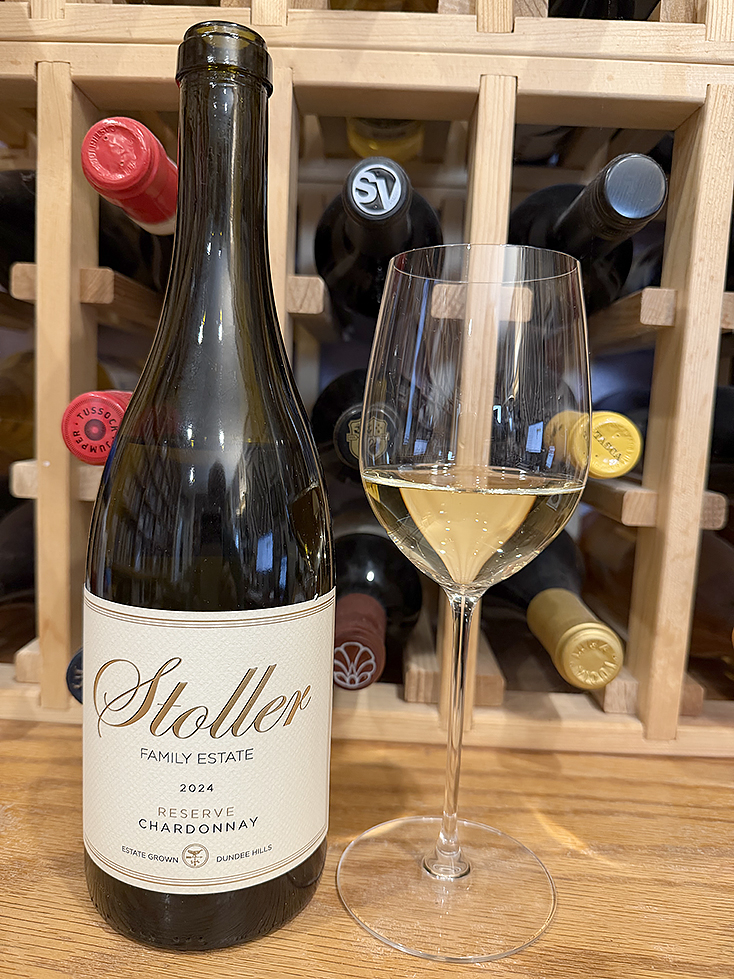
Stoller Family Estate Reserve Chardonnay, Dundee Hills, Willamette Valley, Oregon 2024: Light gold color; Meyer lemon, lime, pear, melon, Granny Smith apple, honeysuckle, white flowers, oak, wet-stone minerality on the nose and palate.
Dry; bright acidity (3.14 pH). The production statistics I cite in this review are projections from the 2023 Reserve numbers because Stoller has not published the 2024 Reserve details as of this writing; however, Stoller programs tend to be consistent year after year. Light-medium texture with impressive complexity. Some restrained malolactic conversion. Think Burgundy, not the Central Valley of California. Sleek with compelling depth in the mid-palate, followed by an extended finish. Made with a variety of Chardonnay clones (76, 95, 96, 548) planted in the mid-1990s on Jory volcanic soils. Fermented in French oak barrels of varying sizes, 25% new. Aged in barrel on the lees for 11 months, then another five months in stainless steel to refine and integrate the texture. 12.8% ABV
Pairing—Pan-seared sea scallops in lemon-chive brown butter; Dungeness crab cakes with Meyer lemon aioli; grilled shrimp; salmon, halibut; shellfish risotto; herb-roasted chicken with thyme and roasted shallots; roasted wild mushrooms over creamy polenta; roasted pork tenderloin. Cheese—Buttery, semi-hard Alpine-style, Comté, young Gruyère; Brie de Meaux, Camembert, Cowgirl Creamery Mt Tam; fresh chèvre. Avoid salty or strong-flavored cheeses.