Features fruit rather than sharpness thanks to excellent ripe grapes, partial fermentation in oak, and three months on the lees. This presents another facet of sauv blanc, not the grassy sharpness of New Zealand or the flinty minerality of a Loire effort. $35-40
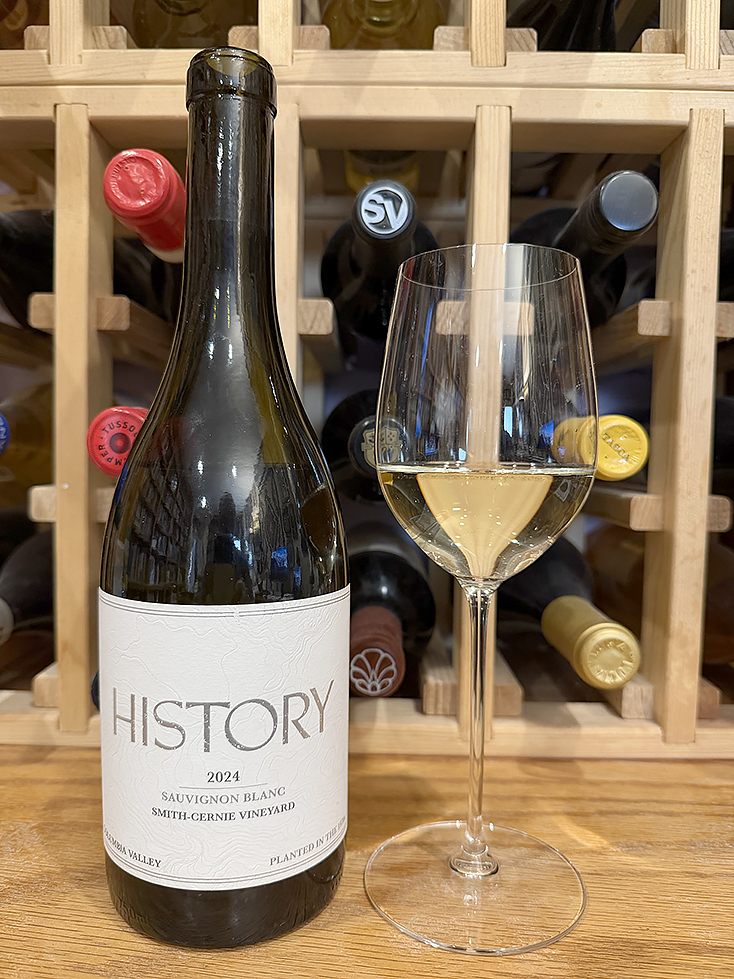
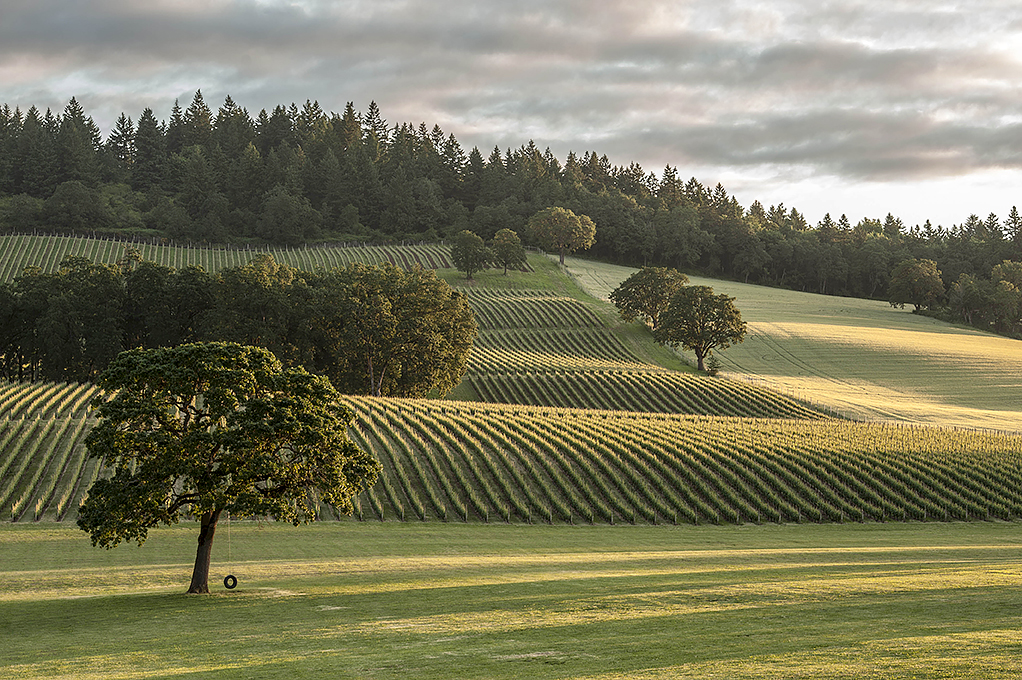
History is a label of the Stoller Wine Group, an Oregon maker. The grapes for this Sauvignon Blanc come from a vineyard at the Dalles in Oregon from the steep, terraced hillsides, benches, and ridges at a bend overlooking the river across from Washington State portion of the AVA. The Columbia Valley AVA straddles both Washington and Oregon. This is relatively small production—just 240 cases—so it likely hard to find, but worth checking the Stoller website for next vintage availability as History’s Smith-Cernie efforts have been consistent.
The grapes come from grape vines planted in 1979. The 2024 vintage enjoyed an excellent growing season. A warm summer segued into a cool fall that allowed enough hang time for the grapes to fully mature. They were harvested in the morning to preserve freshness and fruit notes. Fermented in French oak puncheons and stainless steel. After fermentation, the wine rested on the lees for three months to develop smooth richness and complexity. The oak-fermented and stainless steel-fermented batches were blended and allowed to harmonize for a month before bottling.
Stoller’s History brand is made under the direction of Melissa Burr, longtime Stoller winemaker. History is Burr’s brand in partnership with with Bill Stoller. It began in 2013. The History name reflects Stoller’s mother, the local historian for Yamhill County, Oregon. History is a small-batch brand that emphasizes quality over quantity—although Stoller and Burr also have achieved significant success in quality with quantity in their broader portfolio.
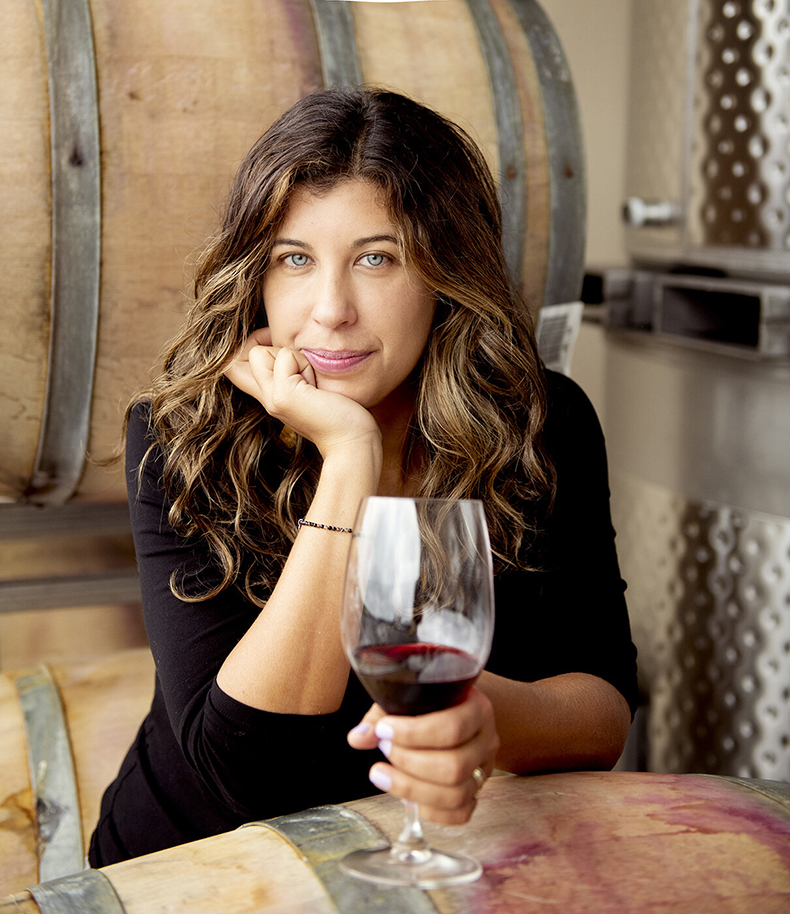
VP of winemaking Melissa Burr has been at Stoller since 2003. Burr says the challenge at Stoller is to control the vigor of the sites in order to concentrate flavors. Unlike most Stoller wines, this is not from estate-grown fruit. The Stoller-Burr concept was to purchase fruit from old-vine growers across Oregon and Washington State who grow to Stoller guidelines. The Smith-Cernie Vineyard is located near the banks of the Columbia River amid tree fruit orchards.
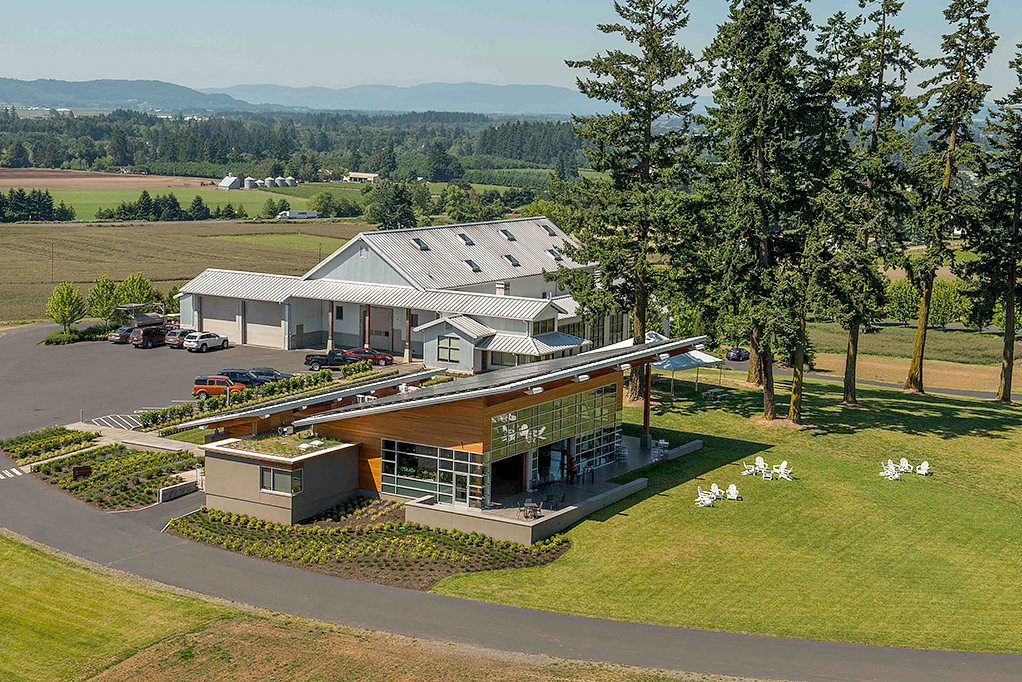
Stoller, who died in 2025 at age 74, was the founder and CEO of The Stoller Group, as well as the president and vice-chairman of very successful employment–service companies. His business success allowed him to pursue his passion for wine in the 1990s with the purchase of his family’s former turkey farm in Dayton, Oregon, which he planted with grapes in 1995 and released the first Stoller vintage in 2001. The winery opened in 2006 as Oregon’s first and only LEED-certified, solar-powered, gravity-flow operation. Its commitment to sustainability earned it recognition as the world’s first LEED GOLD-certified winery. Stoller now is one of the Willamette Valley’s most recognizable producers.

Today, the Stoller Wine Group brands include Stoller Family Estate, Chehalem, Chemistry, Elouan, Stoller Swing, Canned Oregon, and History. The links below lead to more information about their offerings. Stoller is a dependable, easy choice as a go-to producer across their range of bottlings.
History Sauvignon Blanc, Smith-Cernie Vineyard, Columbia Valley 2024: Pale yellow-gold color; pear, key lime, lemon verbena, pineapple, papaya, thyme saline-minerality on the nose and palate
Dry; somewhat mild acidity for a sauv blanc (3.4 pH). Medium body. Notably viscous full mouthfeel with key lime and lemon verbena tartness stepping up on the medium-long finish. This is restrained and savory. It depends on fruit to play the leading role rather than the punchy grassiness of New Zealand or the sharpness of Loire Valley efforts. 12.5% ABV
Pairing—East Coast oysters on the half shell, littleneck clams, Dungeness crab; halibut or hamachi crudo with lime, olive oil, Maldon salt; Pacific Northwest halibut ceviche with cucumber and jalapeño. Delicate white fish, pan-seared sole or petrale, poached sablefish, grilled trout with lemon and herbs. Shrimp risotto, seafood chowder with leeks. Roast chicken with lemon and tarragon, chicken piccata. Linguine with clams, lemon-butter shrimp pasta, spaghetti with olio, chili, and parsley. Herb-forward vegetable dishes, asparagus with hollandaise, spring pea and mint risotto, tomatillo salsa verde on grilled chicken. Avoid red meat, sweet barbecue glazes. Cheese—Fresh goat cheese is classic, Bûcheron, Selles-sur-Cher, Valençay, plain Vermont Creamery log. Sheep’s milk, Ossau-Iraty, Menchego (three months), Brebis Pyrenees. Feta, burrata, fresh mozzarella, young Crescenza or Robiola. Young brie or fresh Camembert (avoid overripe, ammoniated versions).