Pedernales Cellars Texas Viognier 2014: Peach, apricot, honeysuckle, orange blossom on vivid nose—classic viognier characteristics; white peach, white melon, honey, citrus on the palate; this is vivacious with more palate-cleansing acidity than typically found in viognier; typical higher alcohol (14%) thanks to viognier’s long ripening; no perceptible oak; pleasantly pleasing finish. Viognier has been ascendant since 1990s, both as an alternative to chard and as a blending grape, usually with syrah to solve syrah color problems and to add aromatics and complexity (most famously in Côte-Rôtie and Australia). The grape is a Texas darling because it thrives in hot weather; on the flip side, it buds early, making it susceptible to spring frost (that happened in 2013, trashing much of the Texas crop), and has other problems because of its thin skin. As with so many elements of Texas wine, we shall see how it all shakes out. The grapes for the Pedernales effort come from High Plains near Lubbock from growers who give Pedernales an exclusive on their fruit. There is a reserve bottling that typically is available only from the winery and soars to $40 price tag; this effort is well-priced for its quality and well-worth a pour if you can find it. Another Pedernales success. $14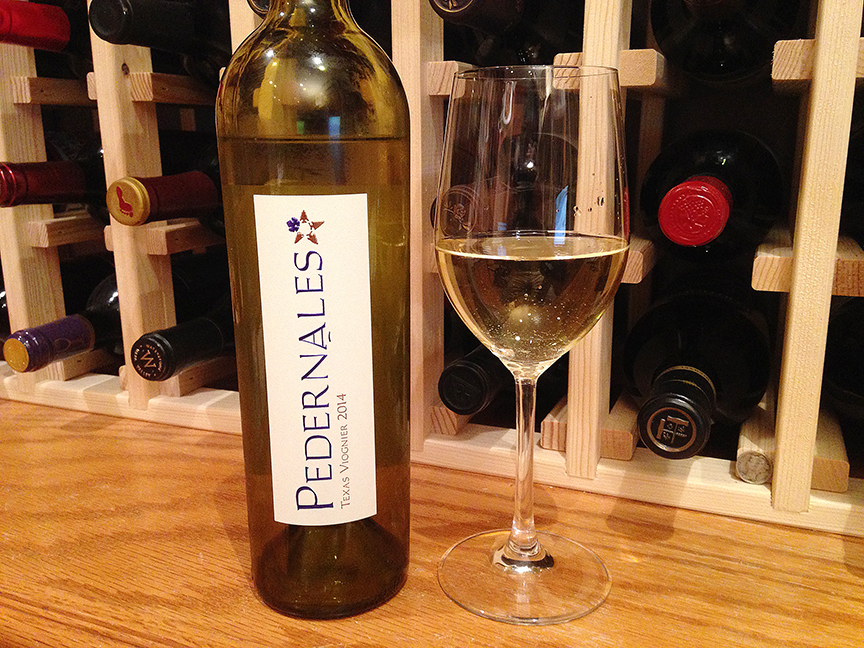
Category: Tasting Notes
Steele Mendocino County Zinfandel Pacini Vineyard 2010
Steele Mendocino County Zinfandel Pacini Vineyard 2010: Blueberry, bacon nose; big, very ripe fruit on the palate, raspberry, black cherry, blackberry, chip of chocolate and caramel, pinch of pepper, too; immense fruit; cool climate gives this an acidity boost, which helps balance intense fruitiness and explains its somewhat subdued (for a zin) alcohol—13.8%. Mendocino County is north of Napa and Sonoma and generally regarded as the pleasant enough cousin of the grandees of California grape aristocrats on Route 29; Mendocino traditionally has been zin country, and this effort sustains the reputation. It is classically over-the-top, red-fruit-fruity flavor bomb. If you want to pour a quintessential California old vines, big fruit zinfandel, look no further than Steele’s Pacini Vineyard effort. Oh, my, the mouth-filling fruit; so much flavor to savor it panics the palate. $17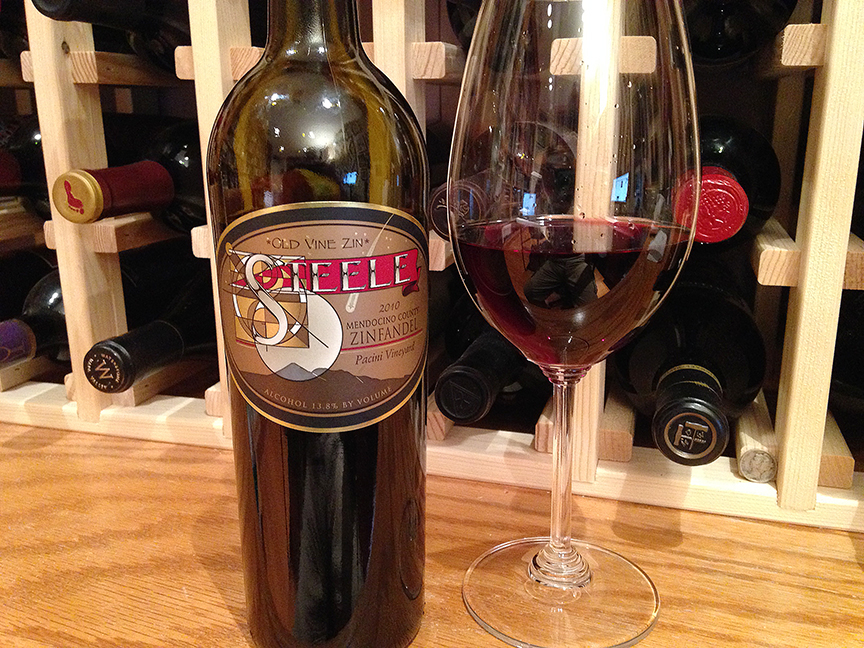
Petroni Vineyards Chardonnay Estate Grown 2013
Petroni Vineyards Chardonnay Estate Grown 2013: Light pale straw color; green apple, whiff of flowers on the nose; lemon, apple (green and golden), melon, pinch of pear on the palate. Medium body, wonderfully crisp and clean, cutting acidity (no malolactic fermentation) makes this palate-cleansing, food friendly; dry, tart, nutty, citrus on the finish, oak thankfully restrained (only 30% new French), well balanced. Interesting backstory: winery started by Lorenzo Petroni, who in 1970 opened the North Beach Restaurant, perhaps San Francisco’s leading Italian eatery featuring authentic Tuscan cuisine; in 1992 he purchased the hillside vineyard in Sonoma’s Moon Mountain district (Sonoma’s newest and highest district on the western slope of the Mayacamas Mountains); eschewing Tuscan roots, this effort is distinctly Burgundian with whole bunch pressing, full-barrel fermentation, restrained use of oak, no malo. Nice, understated effort vinted to pair with fare as befits a restauranteur/wine maker. $30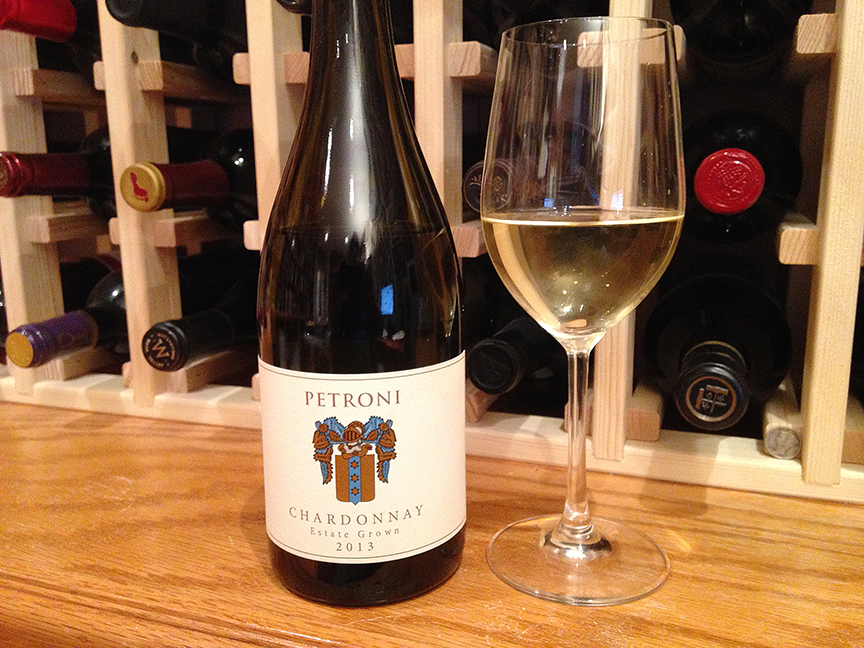
Badenhorst Family Wines The Curator Red 2011
Badenhorst Family Wines The Curator Red 2011: Big, bold juicy fruit twist-and-pour mellows with air time to become a less boisterous and more calmly enjoyable fruit-sweet sipper; pepper, juicy cherry, black cherry, sour cherry, plum, vanilla, riff of rhubarb on the finish. Smooth; convivial tannin; carefree acidity; resembles an Aussie shiraz—no surprise with a blend of 95% shiraz, 3% cinsault, 1% mourvedre, and 1% viognier. Wine comes from Swartland, South Africa, a short drive north of Cape Town; it is Cape Town’s breadbasket with stretching wheat fields and dark soil (Swartland is Dutch for “Black Land”). By the time you reach looming mountains, wheat fields turn to wine and olive, fruit and vegetable farms; the hot and dry climate favors grapes included here and creates comparison to Aussie efforts, although local makers may prefer comparison to southern Rhône blends. Either way, nice company; this is very approachable demonstration of South African value. $12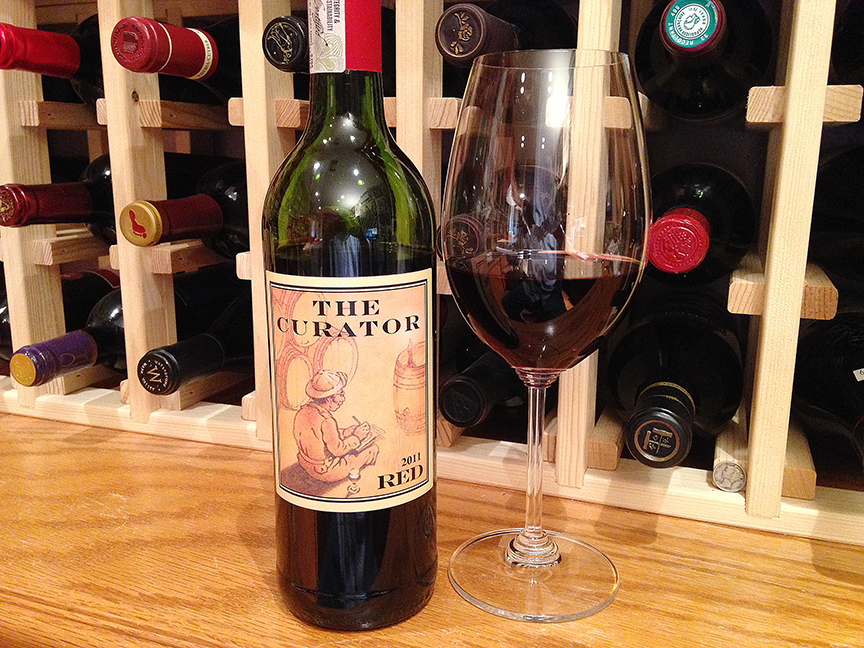
E. Guigal Côtes du Rhône Rouge (Red) 2010
E. Guigal Côtes du Rhône Rouge (Red) 2010: Made in Northern Rhône style with 49% syrah, 48% grenache, and 3% mourvedre and other grapes; dense ruby-purple color; intense flavors of smoky dark cherry, raspberry, olive, plum, pinch of pepper; supple but noticeable tannin, a bit of fruity sweetness and black currant bite on mid-palate and finish. E. Guigal sets the standards in the Côte-Rôtie and Côtes du Rhône; the Côte du Rhône is the entry-level effort, but it still is made with the best grapes in class, aged in stainless steel and foudres (large wooden casks) for 18 months to provide a different palate experience than French and America oak barrels, then held for two years of bottle aging. That’s how you earn the praise of Robert Parker, Josh Raynolds, Steven Tanzer, Wine Spectator and others year after year. This distinctive wine has both rustic, woodsy elements and sophisticated balance. For serious red wine drinkers, a seriously good buy. $19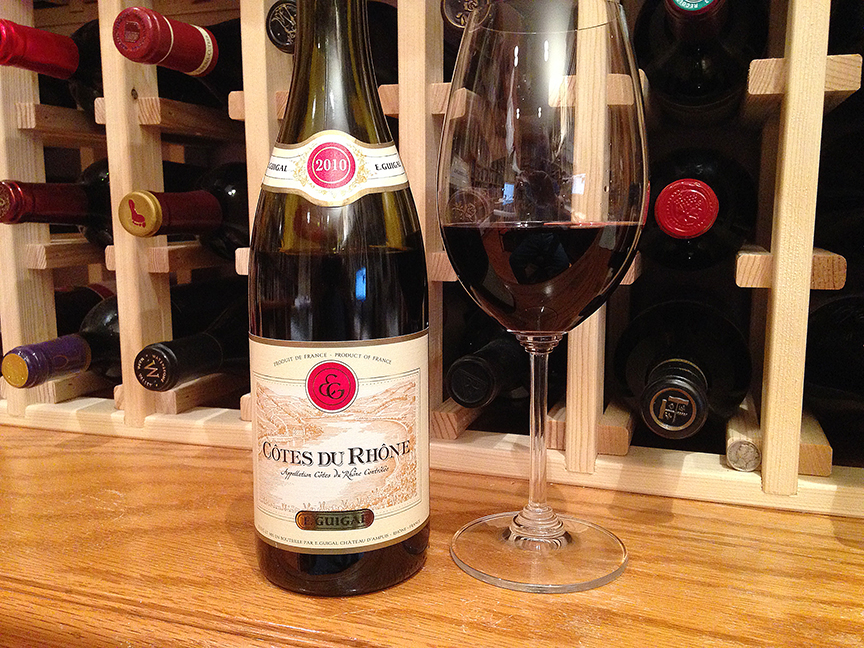
Waterstone Carneros Pinot Noir 2012
Waterstone Carneros Pinot Noir 2012: Restrained nose of cherry and plum foreshadows elegance over power on the palate; plum, unsweetened cherry cola, strawberry, dash of vanilla; subtle tannin, mild acidity, dry finish; tasty, mellow, silky easy drinker. Carneros AVA lies in both Napa and Sonoma in the foothills of the Maycamas range; located just north of San Pablo Bay, the region is moderately cool and windiest part of both Napa and Sonoma; early morning fog is common, all of which makes it a natural home for French clones of chardonnay and pinot noir. Winemakers Phillip Zorn and Brent Shortridge do not own a vineyard or a winery; they stress intelligent sourcing, then make wine at rented facilities. Founded in 2000, Waterstone has built a reputation for wines that stand out for varietal character and balance at a buyer-friendly price. This effort achieves their goal with adroit skill. $22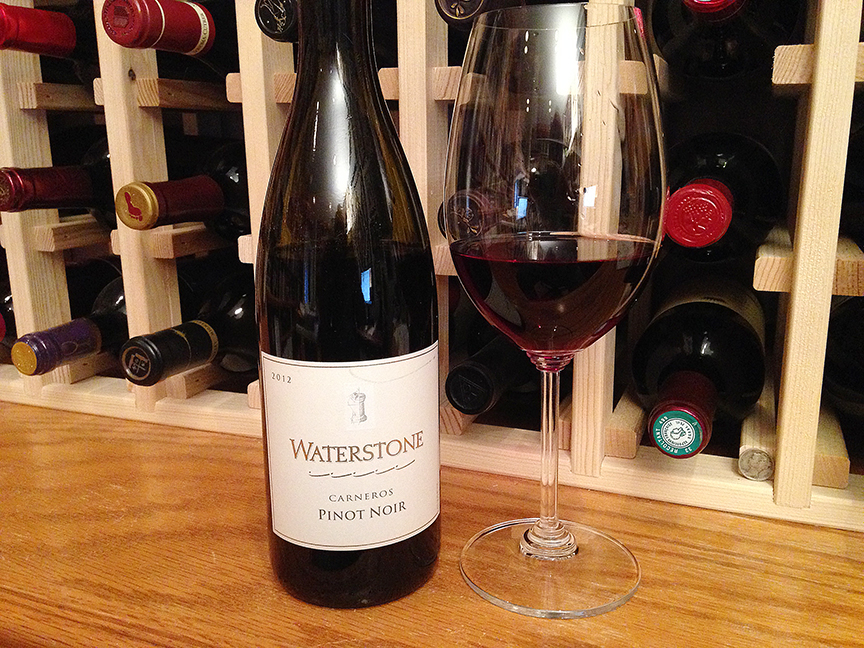
Paul Mas Côté Mas Blanc Méditerranée 2014
Paul Mas Côté Mas Blanc Méditerranée 2014: Pale lemon yellow color; pear, melon, citrus on vivid nose; fruity with crisp acidity, citrus, grapefruit, some oak on the palate. Easy sipping summer white made with grenache blanc, vermentino, chardonnay, sauvignon blanc. Wine comes from “sud de France” (southern France), specifically from Languedoc region. Jean-Claude Mas took over centuries-old Domaines Paul Mas in 2000 and has been leader in Languedoc turn from cheap table wine to dynamic, higher quality with a bit of New World edge; this has personality on the palate and will charm your wallet, too. Very nice label captures the fun, carefree mood of the wine. $13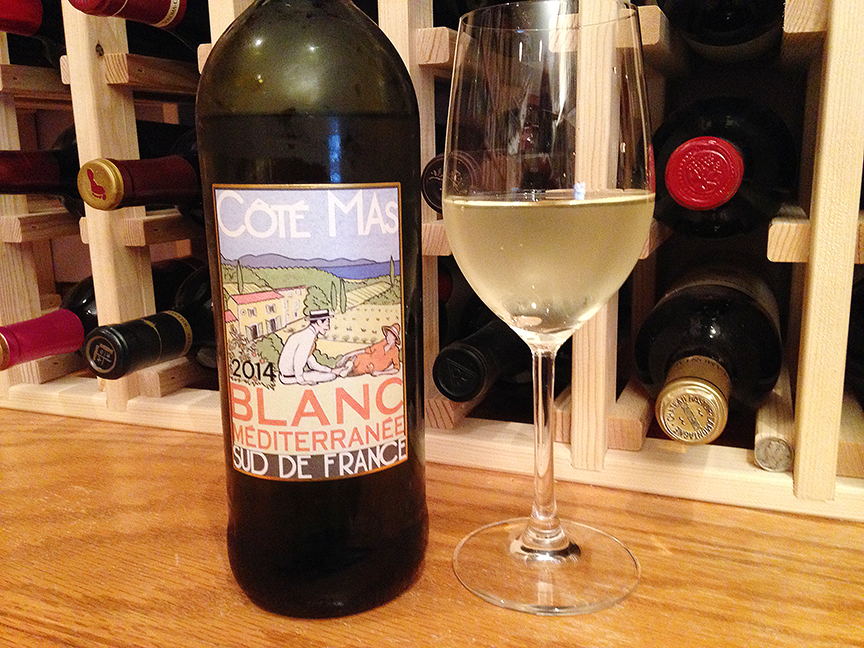
Chateau Chateau Skulls Red Blend 2012
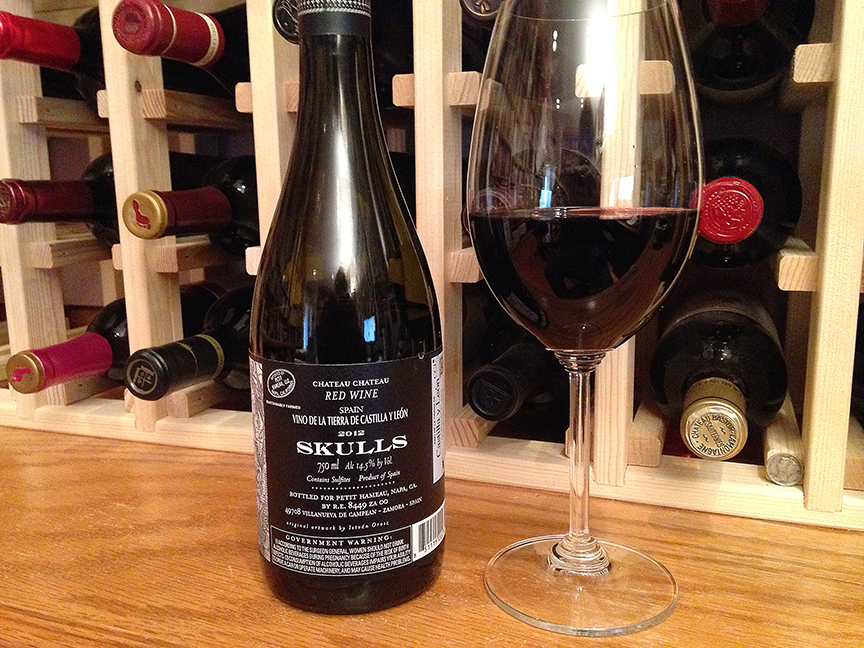
Chateau Chateau Skulls Red Blend 2012: Intriguing label (skull formed by less threatening natural images, perhaps inspired by Salvador Dali), intriguing wine once made in Australia with grenache and mataro, now made in Spain with equal blend of mencia and tempranillo—but by the same star Aussie winemaker Chris Ringland. Inky black, delightful nose; big, bold, sweet fruit with the mencia adding power and body to the tempranillo; plum, spice, cherry, dark berries, dark chocolate, brown sugar. Soft, full, round; friendly tannin, tasty finish, easy drinker with 14.5% alcohol. Place of origin: Vino de la Tierra de Castilla y León; add to your “Spanish wine is splendid and affordable” list. $19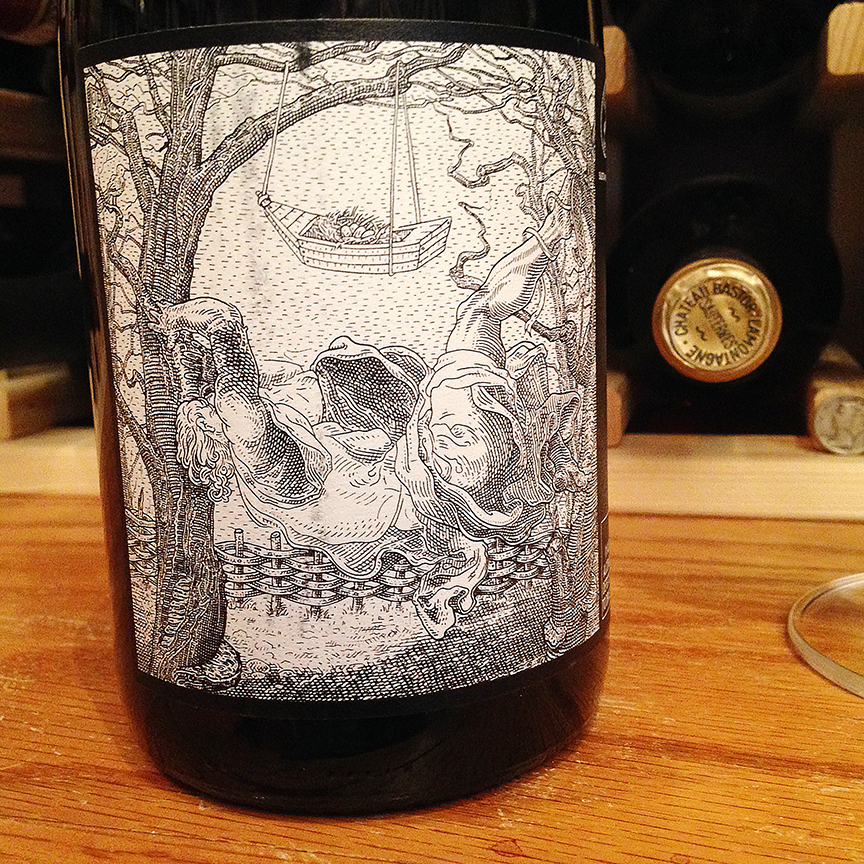
Jean-Claude Mas Arrogant Frog Sauvignon Blanc 2013
Jean-Claude Mas Arrogant Frog Sauvignon Blanc 2013: Lemon-gold color; grapefruit, whiff of smoke on the nose; sharply clean on the palate with zippy citrus, tartness, niblet of green apple; tongue-slicing acidity is most-outstanding characteristic, which should make it superb pair with shellfish, grilled seafood, vegetable dishes. This is French Languedoc’s answer to New Zealand; it has less grass and more tart freshness, but both are savagely good food wines. The brand name has multiple levels of meaning. The French (“Frogs” in the argot of some levels of English society—lads Frenchmen call “Limeys”) are sometimes known for arrogance, so this may smugly play on that stereotype. Fourth-generation Jean-Claud Mas claims this is “direct response to an arrogant assumption that the Languedoc region can’t produce world class wines.” Languedoc (and the greater region of Languedoc-Roussillon) is located in southern France near northeast Spain, touching the Mediterranean; Toulouse is its major city. The region once had deserved reputation for over-production of mediocre jug wine, much like the Central Valley of California. Today, much like those areas in California, emphasis has shifted from massive crop yields to affordable quality. Mas is a leader in the change; he has the largest privately-owned winery in France outside of Champagne; this effort is dead-on, value-priced, winner of a summer sipper. $11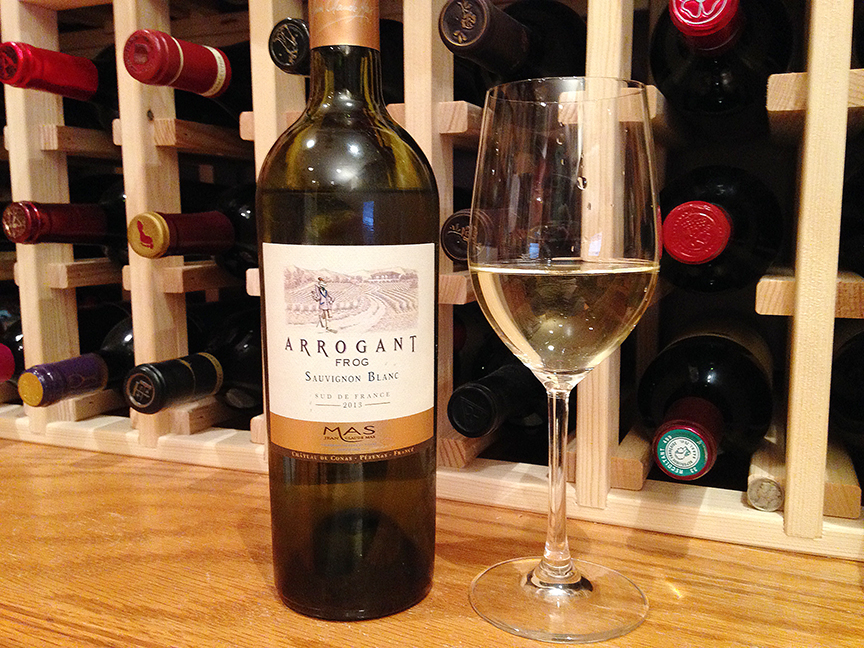
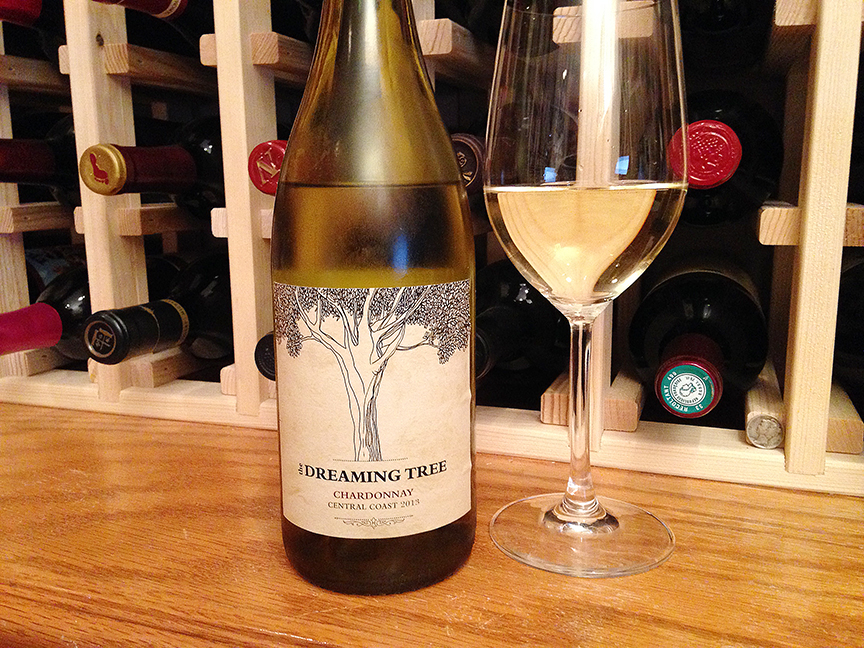
The Dreaming Tree Chardonnay Central Coast 2013
The Dreaming Tree Chardonnay Central Coast 2013: Straw gold color; mouthful of juicy pear, peach flavors on the attack, citrus tingle and honey-vanilla on the finish; toasty oak, medium-full body; a straight-forward, friendly pour at decent price; works well as a laid-backer sipper and will pair with food thanks to 3.45 pH acidity. The Central Coast AVA extends from Santa Barbara County in the south to San Francisco Bay in the north and is cooled by the Pacific Ocean to the west; chardonnay and pinot noir are vineyard stars—chardonnay accounts for more than half of the grape acres. This is very pleasant example of the AVA’s middle-range offerings. The Dreaming Tree is collaboration between South African musician Dave Matthews and acclaimed Simi-based winemaker Steve Reeder; taste with the Dave Matthews Band “Big Whiskey and the GrooGrux King” album playing in the background. As you might expect from a rock star and rock-star winemaker alliance, this is environmentally friendly effort, with lightweight bottles, 100% recycled paper labels, black ink printing (no bleaching), recyclable corks, and Wine Institute certification as sustainable agriculture. Rock on and enjoy with a clean conscience. $14