
Is there a better way to finish a quality meal than enjoying a glass of Porto (authentic port wine from Portugal)? I don’t think so either. Continue reading “W. & J. Graham’s Six Grapes Special Vila Velha Edition Reserve Porto, Douro Valley, Portugal”
Tag: wine tasting
Teliani Valley 8K Ancient Red, Georgia
Rich Saperavi wine aged in qvevri (clay amphora) in Georgian tradition dating back thousands of years. Georgian winemaking has made a spectacular comeback from its dreary days of Soviet plonk pushing. This is a crowd-pleasing example of that revival at a bargain price. $12-20 Continue reading “Teliani Valley 8K Ancient Red, Georgia”
Wedding Oak Winery Tioja Texas Red Wine 2022
Texas riff on Spain’s Rioja reds, “Tioja” being a play on the Spanish name. Tempranillo is the dominant Rioja grape, and dominates Texas’s Tioja, too, with a blending assist from Primitivo, Dolcetto, Pinot Noir, and Mourvèdre. Meat-friendly crowd pleaser worth finding. $30-37 Continue reading “Wedding Oak Winery Tioja Texas Red Wine 2022”
San Felice Chianti Classico Borgo DOCG 2022
Next level of San Felice’s Chianti Classico bottlings. Clean, affable tannins, helpful accompanying acidity. Chianti made darker and more interesting with the rare, revived Pugnitello grape. Delicious, palate-pleasing pour. Worth finding. $30-35 Continue reading “San Felice Chianti Classico Borgo DOCG 2022”
Dugladze Wines & Spirits Otskhanuri Sapere Dry Red, Georgian Wine 2021
Very dark, somewhat rustic wine made from ancient Otskhanuri Sapere grapes thought to be a transitional variety between wild and domesticated vines. This example displays a gamey, savory edge. At the same time, it is smooth with noticeable but amenable tannins and works well with hearty, umami-driven fare. $15-24 Continue reading “Dugladze Wines & Spirits Otskhanuri Sapere Dry Red, Georgian Wine 2021”
History Sauvignon Blanc, Smith-Cernie Vineyard, Columbia Valley 2024
Features fruit rather than sharpness thanks to excellent ripe grapes, partial fermentation in oak, and three months on the lees. This presents another facet of sauv blanc, not the grassy sharpness of New Zealand or the flinty minerality of a Loire effort. $35-40 Continue reading “History Sauvignon Blanc, Smith-Cernie Vineyard, Columbia Valley 2024”
Among the Giants Estate Merlot, Goose Gap AVA, Washington 2022
Rich, well-made pour from the Monson Family, one of the major players in Washington State and Pacific Northwest wines. Dark fruits. Its tannins have mellowed after four years, but this still has a bit more bite than expected from a mid-shelf Merlot. That is offered as praise rather than criticism. Good value at $18-22. Continue reading “Among the Giants Estate Merlot, Goose Gap AVA, Washington 2022”
Jean-Luc Colombo Les Abeilles Côtes du Rhône 2023
Smooth, juicy GSM, a simple, pleasing dark-fruit pour that works at its lower price point. You can do better in the GSM lane if you go for something priced $20 or more—and Jean-Luc Colombo has many such options—but there are times when good enough is good enough. Continue reading “Jean-Luc Colombo Les Abeilles Côtes du Rhône 2023”
Domaine Allimant-Laugner Pinot Noir, Vin d’Alsace 2023
Excellent, affordable pure Pinot play from Alsace backed by a rich history of vineyards and winemakers. You typically think white with Alsace, but the region produces cool-climate reds, too. This presents somewhat more substantial red fruit and mouthfeel than expected from Alsace Pinot Noir while still delivering typicity of France’s northeastern wine region on the border with Germany. Very nice value. $19-22 Continue reading “Domaine Allimant-Laugner Pinot Noir, Vin d’Alsace 2023”
Saké, for goodness sake 7-22-2026
This column is intended as an introduction to Japanese “rice wine” anchored by Bōken No. 77 Junmai Ginjō Saké.
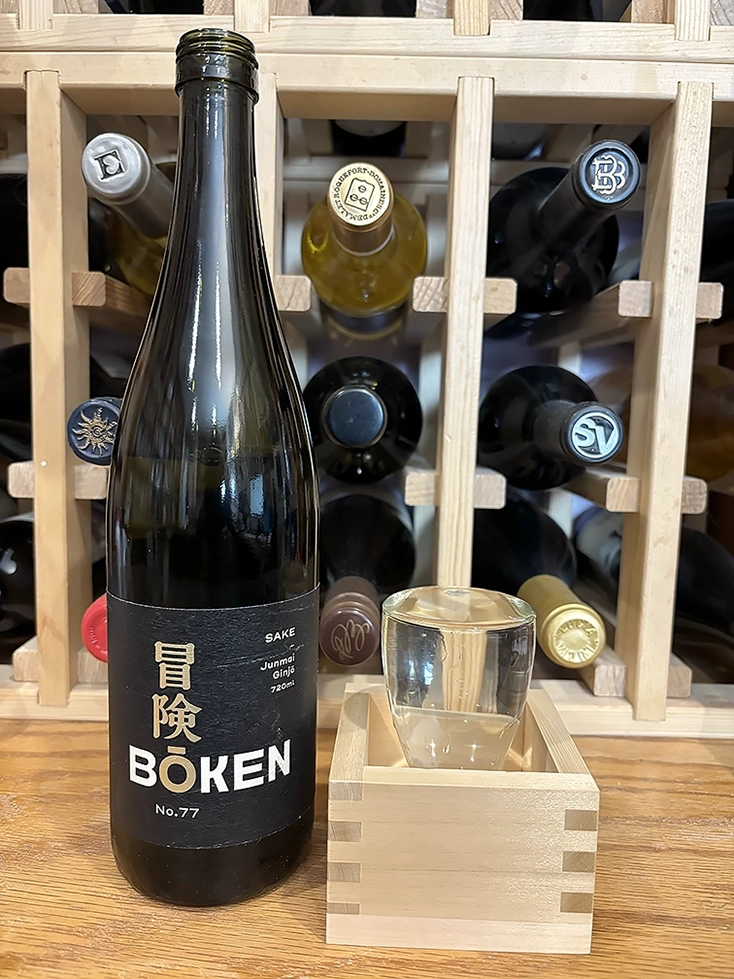
Bōken No. 77 is worth seeking out. Bōken means “journey” or “adventure.” It shows a pale silver color and floral nose—honeysuckle, lemon aromas; then coconut, pear on the palate. Clean finish. Medium-plus body. It strongly leans toward sweetness, but it has excellent balancing acidity and fruitiness.
While saké can be enjoyed on its own, it also is a versatile food wine, which is what Bōken intended with this label. It is curated and marketed for American tastes, especially for novice saké sippers—and also to be paired with American cuisine: grilled fish, lamb chops, steaks, barbecue, mashed potatoes. 13% ABV. $50-60.
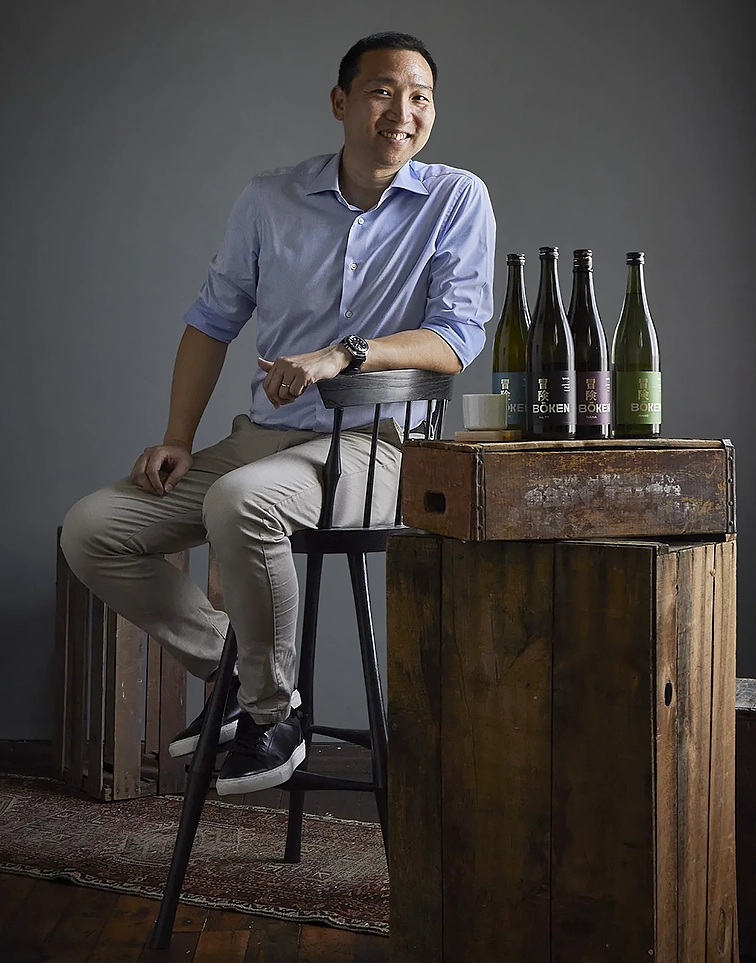
Bōken Saké is a portfolio of authentic Japanese sakés made by a very well established and well-regarded maker. One of the breweries involved dates to 1487. Another was founded in 1884. According to Daisuke Nakajima, U.S. importer and founder of Bōken Saké: “We launched Bōken to broaden the appeal of saké beyond traditional Japanese cuisine. We take pride in partnering with family-owned, small-batch brewers, and we’re thrilled to demonstrate that saké is not only flavorful but can also complement a wide variety of dishes from around the globe.”
Bōken No. 77 has an SMV of -18. “SMV” stands for Saké Meter Value; the more negative the number, the sweeter the saké; -18 means it is sweeter than most ginjō sakés. A more common score for junmai ginjō is +3 to -5. This case is balanced by high very high acidity, similar to Sauternes or German Riesling Spätlese. No. 77 refers to a special strain of yeast used to make this saké. The yeast is noted for high malic acid production and fruitiness, key elements in balancing sweetness.
Its rice polishing ratio is 60%, which refers to how much of the original rice grain remains after 40% of the outer layer was removed. The outer layers of rice contain fats, proteins, and minerals that can affect saké’s taste and aroma and cannot be converted into saké. Only the starch in the rice can be made into saké after it is converted by koji enzymes (more about that in a bit). A rice polishing ratio of 60% or less qualifies the saké for ginjō/junmai ginjō classification. The next classification is daiginjō/junmai daiginjō, which means 50% or less of the original grain remains. More polishing tends to result in a cleaner taste.
Saké often is called “rice wine,” but saké involves a complex and unique brewing process that is completely different from grape wine. At its very simplest, you can make grape wine by pouring grape juice into a vessel and sitting back and letting ambient yeast and nature do their thing without human intervention. Not so with saké. Saké production is closer to beer production than grape wine production because saké starts with a grain—not a fruit—and requires converting starch to sugar.
After the rice is polished, it is washed to remove any remaining bran, then soaked in water to achieve the desired moisture content. The rice then is steamed using specialized equipment. The next step involves koji—a special mold (Aspergillus oryzae)—that is a crucial element in saké production. Rice is spread on tables in the koji room. Koji spores are mixed with the rice. The mixture is covered and left for about two days, during which time the koji mold grows, producing enzymes that will later convert rice starch into fermentable sugars.
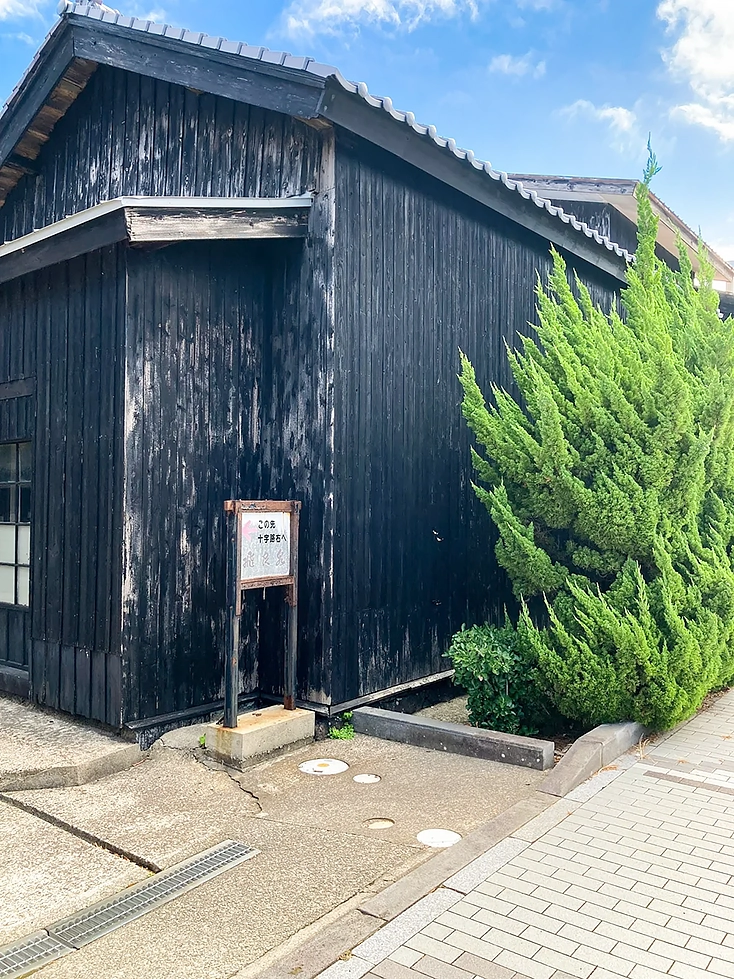
Saké brewing involves a unique, multiple parallel fermentation where saccharification and alcoholic fermentation occur at the same time. A yeast starter (shubo) is prepared by mixing steamed rice, koji, water, and yeast. Bōken ferments for roughly four weeks using the traditional Yamahai method to prepare the mash for fermentation for this saké. The main fermentation (moromi) takes place in large tanks and lasts three or more weeks.
The process begins by combining the shubo with more steamed rice, koji, and water in three stages over the next four days. The mash is mixed daily and fermented at low temperature. Bōken ferments this at 60º F; other methods run at 45º-55º F. During fermentation, the alcohol content can increase to 18-20% ABV, but makers often add water at bottling to reduce it. Saké typically has an ABV similar to or slightly higher than grape wine. A standard saké is 13-16% ABV. Japanese law requires saké to be less than 22% ABV.
After fermentation, the mash is pressed to separate the liquid saké from remaining solids. Some styles, like nigori saké, are pressed or strained more coarsely so fine particles of rice remain suspended. This retains a cloudy appearance and achieves a fuller mouthfeel. Most saké, including this one, is then pasteurized to kill bacteria and deactivate enzymes that could affect flavor and color. After pasteurization, most saké is aged for several months before bottling.
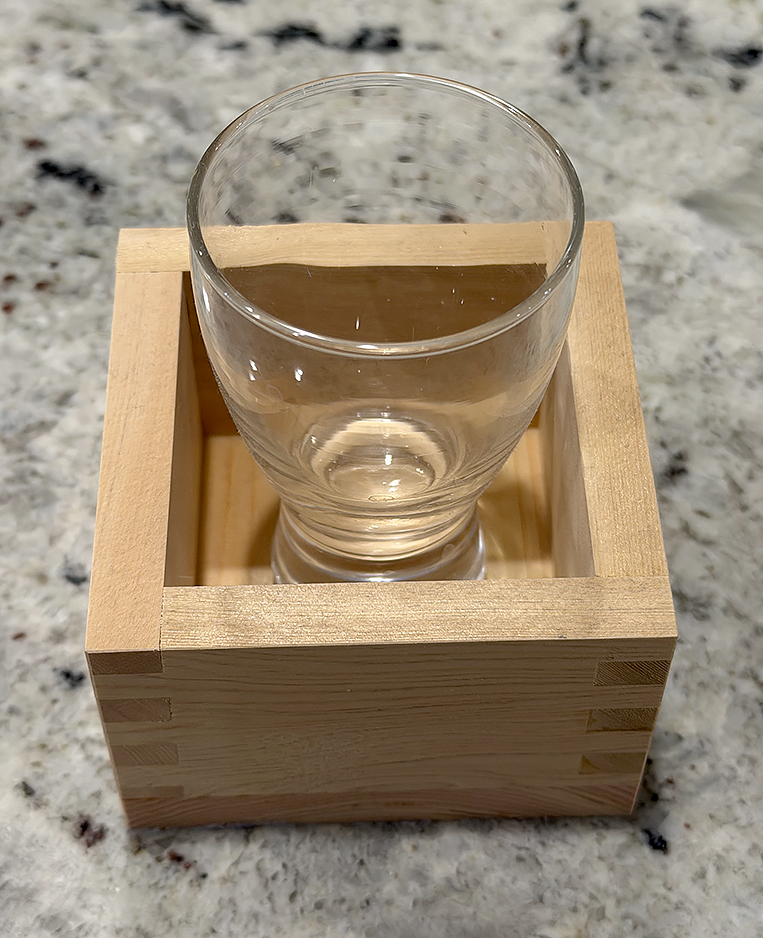
Next comes enjoying the finished product. One way to serve saké puts an emphasis on generosity or hospitality. The “mokkiri” style of service involves pouring saké into a small glass that is inside a wooden box called a “masu” (once a measuring device for rice). The saké is deliberately over-poured so some of the saké flows over the glass rim and into the masu. The term mokkiri means “filling full or more to the rim.” This style of serving represents the Japanese concept of “omotenashi” (hospitality). The intention is to reflect the server’s generosity and often is associated with restaurant or izakaya service (similar to a bartender pouring a pint so the beer spills a bit, except with saké you get to enjoy the over-pour out of the masu rather than wiping it up with a bar towel). More formal saké service uses lacquerware, porcelain cups, or ceremonial vessels.
Serving saké can be less formal, especially today as brewers strive to reach international drinkers. White wine glasses are often used because they present saké aromas, and most households are likely to have them on their bar shelves. There are myriad types of saké cups and glasses, many resembling small bowls with wide rims or cups without handles. Like grape wine glasses, the various shapes and sizes are paired with different styles of saké. No one size fits all, but a white wine glass likely will suit your needs until you get heavily into saké appreciation.
People often think of saké as a drink served warm. While saké can be served warm, the temperature is a personal decision. Saké can be served warm, room temperature, or chilled. Today, many sakés are served chilled (35-40º F) or at room temperature (60-70º F). Bōken Saké recommends you serve No. 77 either warm or cold—cold for crispness, warm by heating it somewhere between 90º and 110º F to, in Bōken’s language, “warm the bones.” In the beginning of your saké adventure, everything will be fine if you sip saké out of the white wine glass already in your cupboard and experiment on temperature.
As the rollout of Bōken Saké only began in fall 2024, you may not find it on your neighborhood store’s shelves. If you find it on a restaurant list, which was the company’s initial target, it is well worth a try. Saké in general is worth a place on your table. In any event, I hope this excursion into “rice wine” gives you a simplified, broad picture of what is going on with rice’s contribution in the wine world.
Last round: London cabbie kept throwing “lion powder” out of the window to keep lions away.
Passenger: “But there aren’t any lions in London”
Cabbie: “And a bloody good thing, too, because the powder don’t work.”
Wine time. It gets funnier after your third shot of saké.